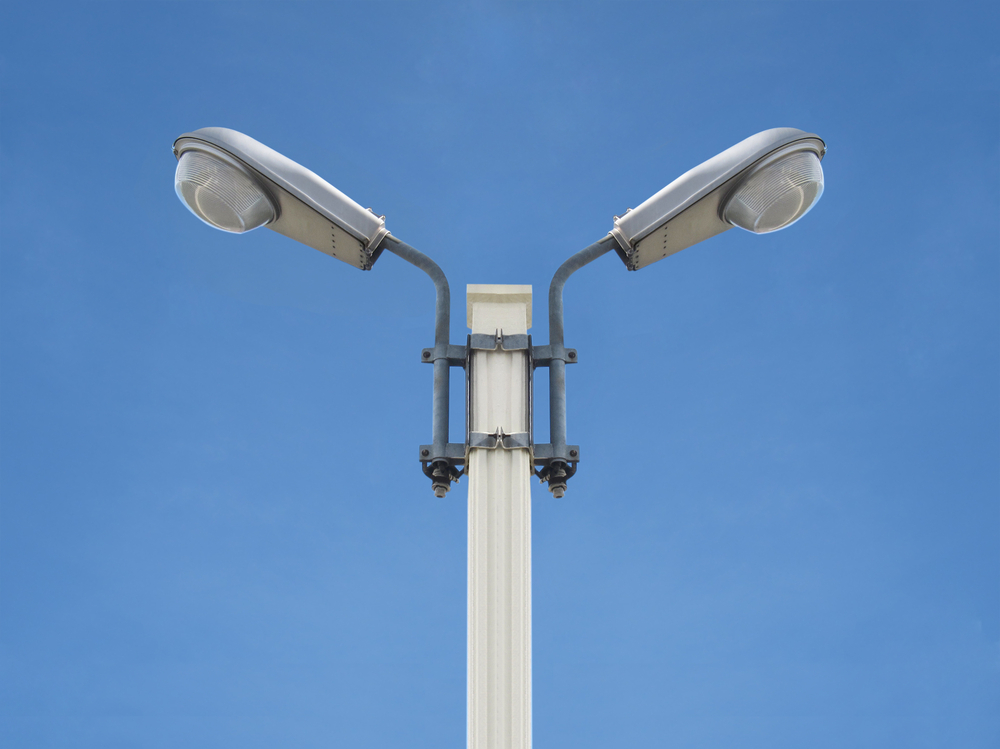

LCGA announced the signing of an agreement to localize the manufacture and knowledge transfer of polymer fiber lighting poles, with the aim of enhancing infrastructure in city lighting. The Authority explained that this agreement comes within the contracting method of localization of industry and knowledge transfer, which aims to contribute to maximizing local content through the development of new industries, by establishing factories for international companies within the Kingdom.
Polymeric materials are an economic option, due to their low operational cost, low transportation costs due to their light weight, and they meet the highest international standards in terms of high strength, as they are resistant to corrosion, in addition to their tolerance to UV rays, and their extended life span.
The official spokesperson of the Authority stressed that this agreement is an important part of the Kingdom's economy. The Authority's spokesperson, Engineer Abdulrahman Al-Saghir, confirmed that this agreement will contribute to achieving an expected impact on the gross domestic product worth an estimated value of 1.7 billion riyals, in addition to providing about 380 new jobs.
This agreement will contribute to achieving an expected impact on the gross domestic product worth an estimated value of 1.7 billion riyals. It is noteworthy that these agreements are part of the Authority's efforts to develop local content and achieve self-sufficiency for the national economy, which contributes to providing promising investment opportunities to develop local products and transfer their knowledge to the Kingdom.