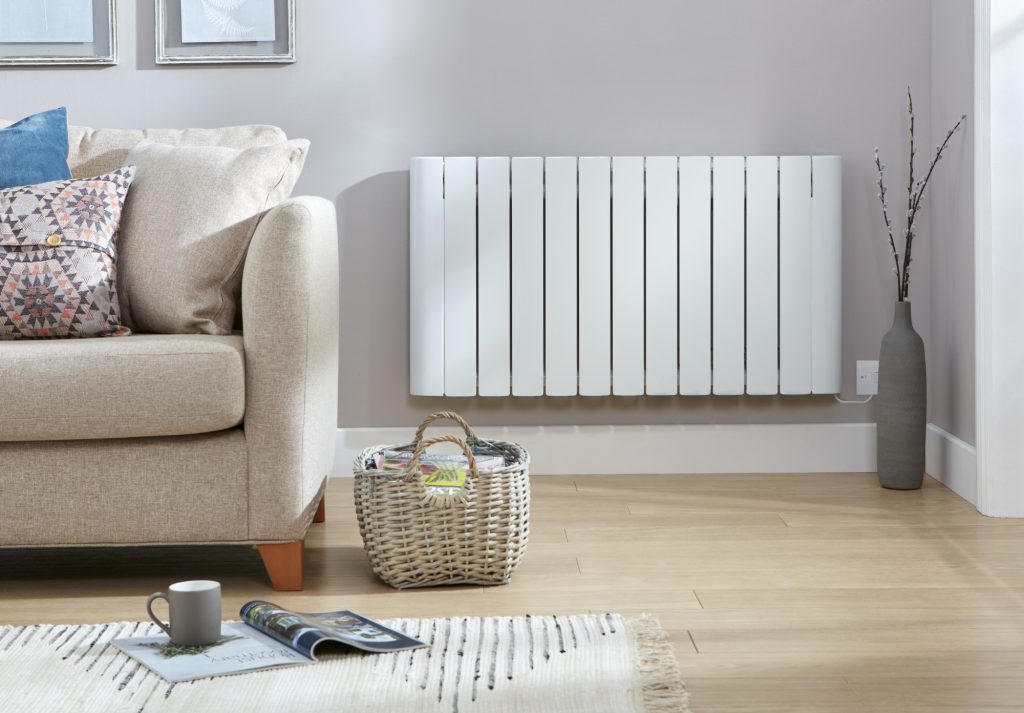

As the 2026 winter season begins, families and real estate investors are looking for the best ways to ensure their homes are warmed efficiently, without incurring high energy costs. Centralized heating systems are one of the most effective solutions, providing even heat distribution throughout the home and increasing occupant comfort, while increasing the value of the property when selling or renting. But getting the most out of this system requires a thorough knowledge of how to operate and maintain it. In this report, we review real estate and practical tips to ensure that your central heating system is optimally utilized as the winter begins.
Central heating: the foundation of winter comfort
Central heating works by generating heat in a centralized source, such as a boiler or heat pump, and then distributing it through a network of pipes, radiators or underfloor heating systems to all rooms of the house. This system gives the home even warmth and comfort compared to individual appliances, and minimizes cold spots and thermal disparity between rooms.
As the 2026 winter season begins, getting the system up and running effectively is critical, especially as temperatures are expected to drop and demand for heating increases.
Real estate tips for making the most of central heating
1. Regular maintenance before the onset of winter
Before running the system, boilers, pumps, pipes and radiators should be checked for integrity, preventing any leaks or sudden breakdowns during the colder months.
2. Use smart thermostats
Installing programmable thermostats allows the temperature of each room to be controlled as needed, reducing energy waste and increasing comfort.
Before running the system, boilers, pumps, pipes and radiators should be checked for integrity, preventing any leaks or sudden breakdowns during the colder months.
2. Use smart thermostats
Installing programmable thermostats allows the temperature of each room to be controlled as needed, reducing energy waste and increasing comfort.
3. Effective thermal insulation
Improving the insulation of walls, windows, and doors keeps heat inside the house and makes the central system more efficient, reducing energy bills in the winter.
.
4. Distribute heat evenly
Make sure that all radiators are working efficiently and that no rooms are warmer than others, this enhances comfort and ensures that the system is optimally utilized.
5. Consumption Control
It is recommended to turn on central heating only when you are at home, and use smart scheduling to minimize operation during periods of absence, while maintaining a comfortable temperature.
6. Smart Real Estate Investment
7. Enhancing the sustainability of the home
When buying or renting a house, check the efficiency of the central heating system, the piping route, and the design of the radiators, as all these factors affect the quality of heating and the comfort of the residents, and also increase the value of the property.
The central heating system can be integrated with renewable energy solutions such as solar heaters or high-efficiency heat pumps, reducing emissions and increasing the environmental value of the property.