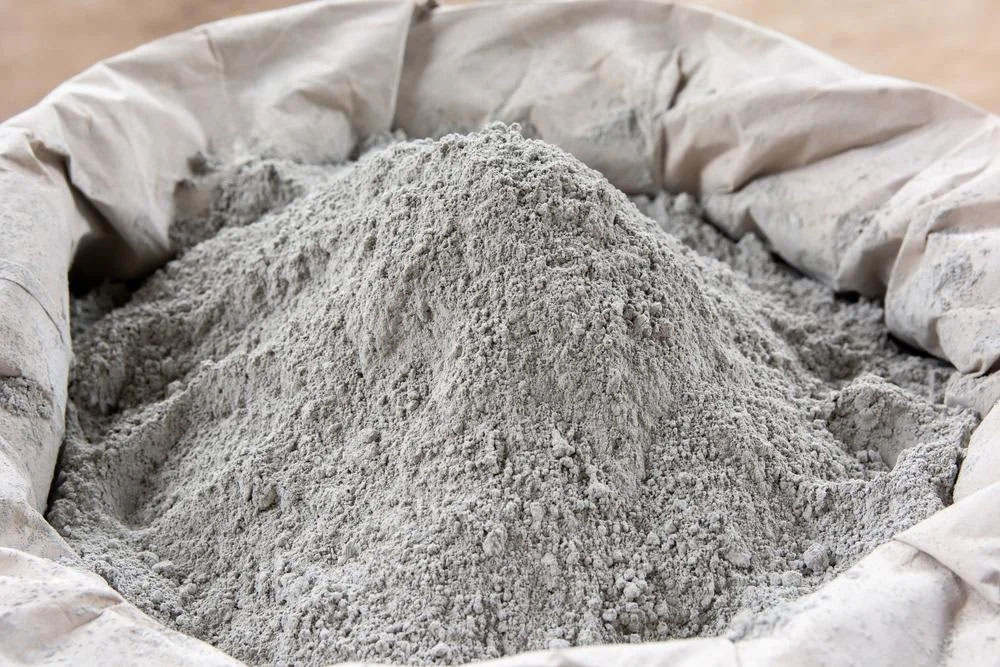

The annual national workshop of the Future Cement Initiative (FCI) brought together more than 200 participants from regulators, industry leaders, researchers, and technical experts to advance the development of a common roadmap for low-emission, high-performance cement in Saudi Arabia, highlighting new opportunities to reduce emissions and enhance the competitiveness of the Kingdom's cement sector. Cement is one of the most carbon-intensive materials globally, with global demand expected to rise from 4.37 billion tons in 2025 to more than 5.5 billion tons by 2030.The sector faces increasing pressure to reduce emissions while continuing to support global infrastructure growth. Domestic demand for cement is expected to reach 80 million tons per year by 2030, driven by rapid development in housing, industry and national mega-projects.
Researchers reported that there are a number of factors that could contribute to the growth of the cement sector, which is the most carbon-intensive material globally.
Researchers also found that there are a number of opportunities to reduce emissions. According to the researchers, several types of clays extracted locally from different regions in the Kingdom show promising potential to be used as ingredients in more sustainable cement mixes, and the use of these materials can contribute to reducing reliance on traditional “cement clinker”, an intermediate material in the cement industry that is its most emission-intensive component, while maintaining the strength and performance needed for the country's construction sector.
The workshop's program was attended by a number of experts from the Kingdom's construction industry. <The two-day workshop program featured a mix of technical training, research presentations, and strategic panel discussions on ways to modernize the Kingdom's cement industry in line with its economic and environmental priorities. On the second day, strategic pathways for cement decarbonization, circular economy models, carbon management mechanisms, and the role of emerging technologies in shaping the future of the sector were discussed. Due to the nature of the warm climate and humidity patterns in the region, concrete used in the Kingdom may absorb carbon dioxide from the atmosphere at a faster rate than in many other regions of the world. Understanding this behavior contributes to improving the accuracy of emissions calculations, developing material standards, and promoting long-term planning for infrastructure projects.
The workshop addressed how cement produced in the Kingdom naturally absorbs carbon over the course of its use. <KAUST researchers are developing new additives and advanced material solutions aimed at enhancing the durability and performance of low-carbon cement. These innovations, along with emerging technologies such as: circular cementitious materials, and AI-enabled modeling tools, are part of KAUST's broader efforts to support the Kingdom's transition towards more efficient and sustainable building and construction practices.
These innovations are part of KAUST's broader efforts to support the Kingdom's transition towards more efficient and sustainable building and construction practices.