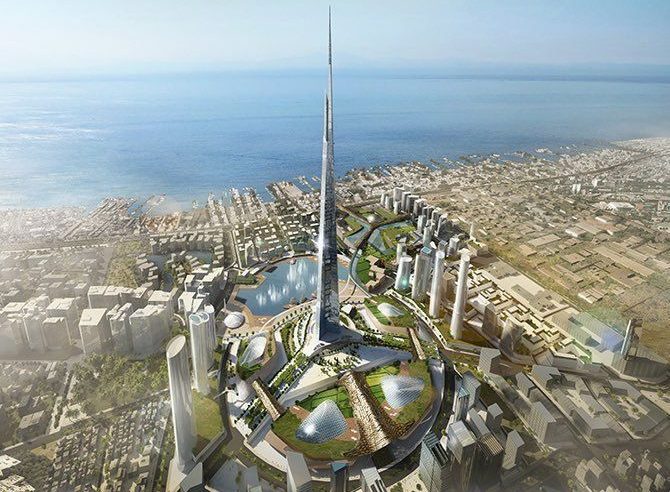

JLL's regional director and head of capital markets in Saudi Arabia, Saud Al-Sulaimani, emphasized that Jeddah plays a central role in the Kingdom's Vision 2030 objectives, as it attracts capital through growing investment opportunities.
Luxury Housing Expansion Trends
In the luxury residential sector, the meeting revealed significant expansion trends, with around 1,000 new "branded residential" units expected to be added by 2030, adding to around 400 existing units. This type of project is experiencing continued growth, especially with global brands from outside the real estate sector, including automotive and fashion companies, becoming part of Jeddah's luxury real estate scene.
<The retail sector is heading for a real boom, with 310,000 square meters of leasable space expected to be added by 2025, equivalent to more than 10% of current inventory. These expansions are part of mixed-use developments that promote modern lifestyles and offer integrated environments that combine work, living and leisure. New business models such as "cloud kitchens" and “dark stores” are also gaining traction in downtown Jeddah.
Strong presence in the hospitality sector
<Jeddah continues to demonstrate a strong presence in the hospitality sector, with a CAGR of over 6% between 2020 and 2025. Dr. Sara Kassem, Senior Vice President and Head of Hotels at JLL, confirms that the Kingdom's preparations to host the 2034 World Cup will spur unprecedented growth in the sector, building on the experiences gained during Qatar 2022.In the office landscape, Jeddah continues to demonstrate a strong presence, with a CAGR of more than 6% between 2020 and 2525.
In the office landscape, high-end Class A office space remains the focus of investor interest, with limited supply and growing demand from local and international companies, driving the market towards high-quality assets and flexible office space solutions, according to Taimur Khan, JLL's Director of Research for the Middle East and Africa.
Timur Khan, JLL's Director of Research for the Middle East and Africa, said
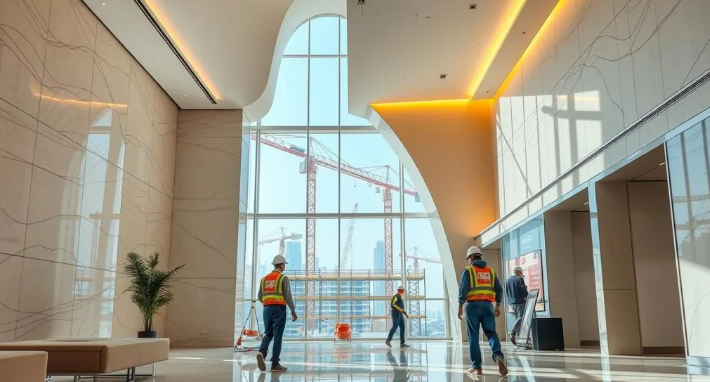
Despite continued growth, the real estate landscape faces several challenges, such as a shortage of skilled labor, supply chain disruptions, high material costs, and the regulatory and financial complexities associated with large-scale projects, according to Taimur Khan, JLL Research Director for the Middle East and Africa. However, these challenges are being offset by a package of government reforms, including tax incentives, improved regulatory frameworks, and encouraging public-private partnerships (PPPs).
Maroon Deeb, Head of Project and Development Services at JLL, emphasized that new technologies such as modular construction and advanced financing models, as well as the Public Investment Fund's growing role in driving mega projects such as Expo 2030 and King Salman International Airport, are creating a real estate market capable of absorbing international investment and ensuring flexible execution.
Maroon Deeb, Head of Project and Development Services at JLL, emphasized that the challenges are being offset by a package of government reforms, including tax incentives, improved regulatory frameworks, and the encouragement of public-private partnerships. In light of these developments, Jeddah continues to consolidate its position as a major driver of real estate investment in the Kingdom and an attractive center for ambitious projects, especially in light of its transformation into a global gateway that supports economic diversification and receives major projects on the path of Vision 2030.