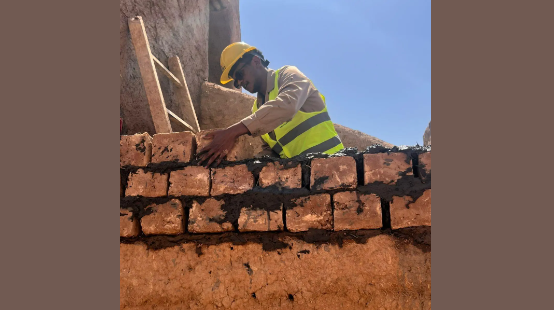

The Prince Mohammed bin Salman Project for the Development of Historic Mosques, in cooperation with the Heritage Authority and the Royal Institute of Traditional Arts (Wirth), has enabled (15) Saudi students to participate in the development work of a number of historic mosques within the cooperative training track, during a 6-month field training program, during which the trainees receive the methods of construction.While 15 more students are preparing to join the program in the coming days, to continue their training until early 2026."
This program is part of the Saudi government's interest in the development of a number of historic mosques within the cooperative training track, during a 6-month field training program, during which the trainees learn the methods of a href="_COPY. This program reflects the interest of the Prince Mohammed bin Salman Project to develop historic mosques, to qualify national competencies and enable them to acquire skills related to traditional construction, within the project's commitment to carry out its work through Saudi companies specialized in heritage buildings, under the supervision of Saudi engineers to ensure the preservation of the authentic architectural identity of the historic mosques.
Prince Mohammed bin Salman's project for the development of historic mosques
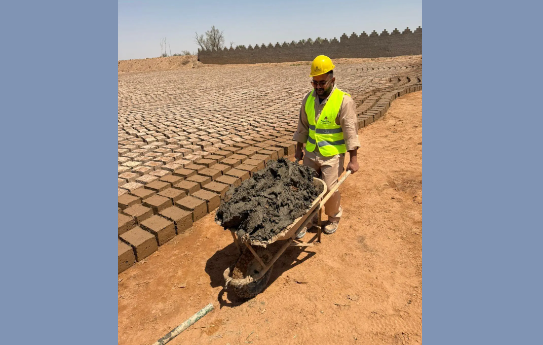
The program is divided into two tracks. <The program is divided into two training tracks: The first is traditional masonry, in which trainees are introduced to the craft of mud masonry through practical training modules in historic mosques that are being developed with traditional materials under the supervision of specialists in the preservation of mud heritage, while the second track is the traditional Najdi door industry, which deals with training trainees in carpentry, carving and traditional wooden door making techniques to help preserve this ancient art and ensure its continuity.
The program is divided into two training tracks.
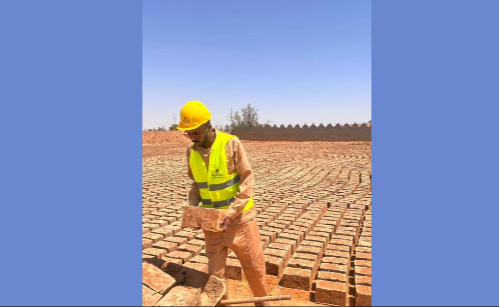
Prince Mohammed bin Salman's Historic Mosque Development Project is based on four phases. The project is based on four main objectives: rehabilitating historical mosques for worship, restoring their architectural authenticity, highlighting the civilizational dimension of the Kingdom, and enhancing its religious and cultural status, in line with the objectives of Saudi Vision 2030 in preserving the national heritage and highlighting its cultural and urban values.