
The real estate market in Saudi Arabia is at a watershed moment in its modern history, witnessing a series of unprecedented reforms aimed at reshaping the real estate landscape, addressing the chronic imbalance between supply and demand, and controlling real estate prices that have witnessed unjustified increases over the past years. These steps, which Al Rajhi Capital described in its latest report as decisive and bold, are not just immediate measures to contain prices, but part of a comprehensive reform vision that opens the door to a more balanced and sustainable market, especially in Riyadh, the epicenter of real estate activity and one of the fastest growing markets in the region.
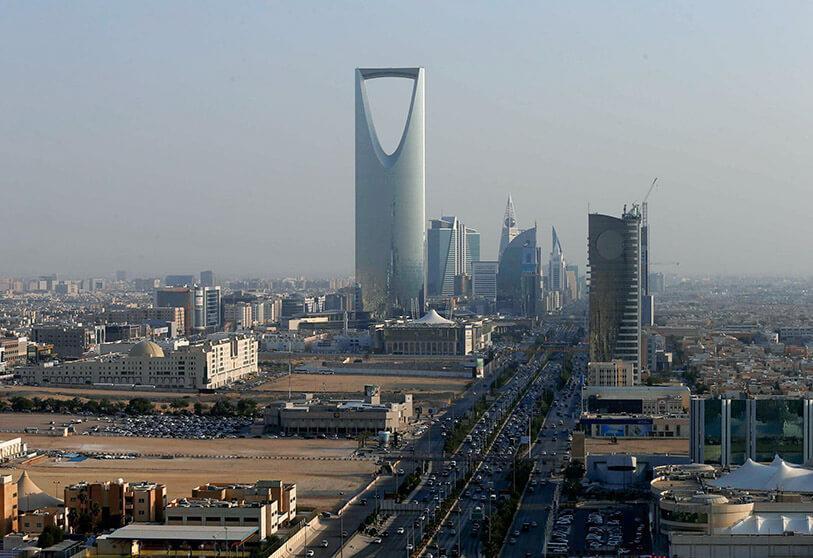
Riyadh is the epicenter of real estate activity and one of the fastest growing markets in the region.
Comprehensive reform vision
The features of these reforms began with government directives issued in March 2025, which targeted boosting housing supply in northern Riyadh over an area of more than 81 square kilometers. The plan also included providing between 10,000 and 40,000 plots of land annually over the next five years, to be offered through a dedicated digital platform at prices not exceeding 1,500 riyals per square meter, which represents a qualitative leap in enabling citizens to obtain land at fair prices.
Later, the Council of Ministers continued. <Subsequently, the Cabinet continued its steps by approving a new system that allows foreigners to own real estate in specific areas as of January 2026, while excluding Mecca and Medina from this system, where special conditions are applied that take into account their privacy. The same period also witnessed the amendment of white land fees by adding tranches of up to 10% on undeveloped land within the urban area, in addition to imposing a fee of 5% on vacant properties, in a serious attempt to curb the phenomenon of land hoarding and hindering its utilization.
Direct effects on the market
<In its report, Al Rajhi Capital expects these reforms to have an immediate impact on the market by increasing real estate supply, which will be reflected in controlling prices and reducing monopolistic practices. According to Knight Frank data, villa prices in Riyadh have increased by 48% since the end of 2020, while apartment prices jumped by 87% in the same period, while rents have increased by more than 32% since 2021, making housing affordability one of the most prominent challenges for Saudi families. Analysts believe that pumping new land and imposing fees on unused properties will push landowners to invest them or cooperate with real estate development funds to build residential and commercial projects, instead of keeping them frozen, which opens the door to a more vibrant and active phase for the market.
Main beneficiaries
<According to Al Rajhi Financial's report, there are several key parties that will benefit from these shifts, most notably real estate development companies that will find promising opportunities to implement new projects, as well as cement and building materials companies that will keep pace with the expected construction boom. Banks and real estate finance institutions are also likely to make significant gains as the mortgage market expands, especially if these reforms coincide with the expected low interest rates during the coming period.
Financial market performance
Despite these positive reforms, Tadawul's real estate sector index has seen a decline of 23% since April 2025, after a strong rally of nearly 70% between January 2023 and Q1 2025. Much of the decline is due to investors waiting for greater clarity on the effects of the new laws. However, some companies are still showing resilience.
Upcoming Regulations
The Real Estate Regulatory Authority (REGA) is expected to issue additional regulations in the coming period to help stabilize the market, including defining the areas where foreigners are allowed to own property, establishing a cap on the annual increase in rents, and issuing an executive regulation related to vacant properties to activate the new tax more effectively.
Real Estate Regulatory Authority (REGA) is expected to issue an executive regulation related to vacant properties to activate the new tax more effectively.
Promising future opportunities
Although real estate activity declined in Q2 2025 by 22% y-o-y and 41% q-o-q, its lowest level in nine quarters, Al Rajhi Capital believes that these reforms will pay off in the medium to long term. They are expected to curb overpricing, enhance affordability, and make the market more stable and attractive to both local and foreign investors.
These reform steps represent a milestone in the development of the Saudi real estate market. They combine addressing current challenges with laying new foundations for a more transparent and efficient future. Although it may take some time for the market to acclimatize to these changes, the expected results herald a new phase of balance and sustainability, serving the aspirations of citizens and investors and in line with the objectives of the Kingdom's Vision 2030.
These reforms represent a milestone in the development of the Saudi real estate market.