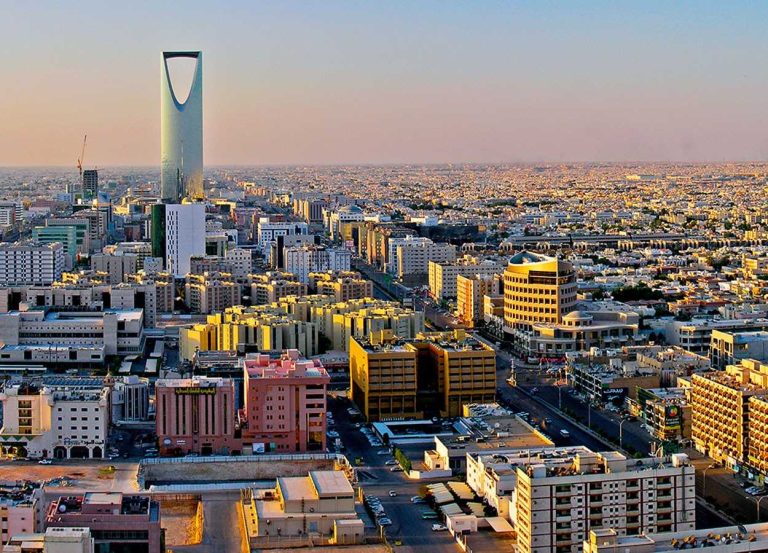

The real estate sector in Saudi Arabia recorded a mixed performance during the first quarter of 2025, amid continued government support and Vision 2030 initiatives. A report by Al Rajhi Financial showed that nine Saudi regions saw an increase in real estate prices compared to the same period in 2024, while prices declined in four other regions.
Riyadh leads real estate growth with 10.7%
Riyadh was the fastest growing region in terms of rising real estate prices, recording an increase of 10.7%, reflecting the continued high demand and accelerated activity in the capital's real estate market, driven by urban expansion and major development projects.
Riyadh was followed by the Hudaydah region. <This was followed by the Northern Borders region with a growth rate of 8.7%, followed by Al-Jouf with 8.2%. Najran and Hail witnessed a rise of 5.6% and 4.1%, respectively, while Najran and Hail recorded:
Baha: 2.1%
Mecca: 1.5%
Tabuk: 1.2%
Tabuk
Qassim: 0.1%
Decline in 4 regions. Most notably Eastern and Asir
On the other hand, four regions recorded a decrease in price growth, most notably:
Eastern Province: 5.5% decline
Asir: 4.4% decrease
Asir.
Jazan: Down 2%
Medina: Slight decline of 1.4%
This decline is attributed to overlapping factors, most notably fluctuations in supply and demand in some areas, changing real estate investment trends, in addition to the uneven pace of implementation of development and infrastructure projects.
Madinah: 1.4%
The real estate sector. One of the pillars of Vision 2030
The Saudi real estate sector is one of the strategic pillars of the Kingdom's Vision 2030, as it receives wide support from the state through a number of government initiatives and programs, such as the Residential Program, Ejar regulations, in addition to smart city projects and modern infrastructure.
This support has contributed to stimulating local and foreign investments, improving the legislative and regulatory environment, as well as raising the rate of home ownership, which has significantly boosted the activity of the real estate market in recent years.
Data indicates that the real estate market is one of the strategic pillars of the Kingdom's 2030 vision. The data suggests that growth disparity between regions will continue in the near term, with regions with major projects and promising economic opportunities tending to register faster growth, while other regions may face challenges in attracting investment or boosting domestic demand.
Data suggests that this support has contributed to stimulating domestic and foreign investments, improving the legislative and regulatory environment, as well as the rate of home ownership by citizens, which has significantly boosted real estate market activity in recent years.