When the necessary foundation for plumbing, electrical, air conditioning, and contracting with a contractor to carry out the lighting works for the project, during this period the iron door «hoops» are installed, the iron «hoops» are used for the entrances to the fence and the main entrances to the building exposed to the weather, it is good to use «hoops» with a link, for the entrance doors, as the presence of the link contributes greatly to reducing the leakage of dust and dust inside the building, provided that it is of sheet steel with a thickness of at least 1. 8 mm and preferably 2 mm, it is recommended to contract with one of the parties specialized in iron works at this stage to supply and install only the hoops, and the other iron works are contracted for future implementation at later stages of the project's lifecycle.8 mm and preferably 2 mm, it is recommended to contract with one of the specialized iron works during this stage to supply and install the rings only, while the doors and other iron works will be contracted for implementation in the future in the advanced stages of the project.
Wooden door hoops are not installed during this period to avoid being affected by sprinkler water as well as their connection from the bottom to the tambourine before the implementation of the floor tiles, as the "wooden hoops" are implemented in the advanced stages of the project when the floor tiles are completed as well as the implementation of paint paste for ceilings and walls.
Wooden door hoops are not installed during this period.
After that, the plastering contractor starts his work on the site, the plastering starts from the highest point of the building «the roof», then the first floor, then the ground floor and the basement if any, and upon completion of the interior plastering work, the plastering is carried out For facades and fences, if the wood used during the structural structure phase of the bone is «Bellewood» wood, here the concrete parts become soft to the touch, it is recommended to rough these concrete parts before proceeding with the concrete work, as they are roughened by hitting the sand with «Compression» air compressor, and here the columns and other concrete parts become "rough" and the liasa adheres to them when executed well, it is recommended to give "sand beating" to one of the contractors specialized in this work at a lump sum price or by square meter, noting that the implementation of the liasa on the concrete parts It is recommended to give the liner on the smooth concrete parts directly without roughing them, as this exposes the liner to loosening in the future, when wanting to implement borrowed ceilings "gypsum and others" for the ceilings, there is no need to hit the ceilings with sand because we do not need to implement the liner for them as they will be covered with gypsum.
The liasa contractor must be emphasized to clean the walls and remove all wood residues, cement bags if any and others, and close all openings in the walls using a cement mixture, upon completion of closing all openings, it is recommended to receive the work from the contractor and ensure this, then the galvanized iron grille and corners are installed, the metal grille is installed at the areas where the block meets the columns, and the grille and corners are perfectly fixed, and emphasize the importance of receiving this stage before starting the liasa work.
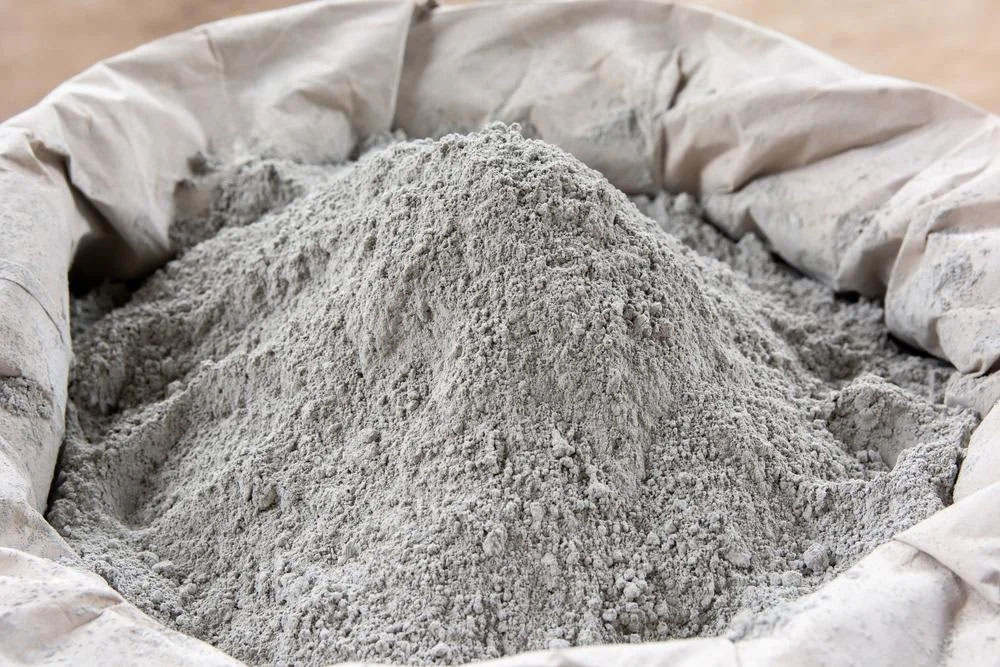
During this stage, it is recommended to secure the amount of cement that the project requires to accomplish the interior plastering work, which is usually estimated in the hundreds depending on the size of the project.
<p class=«p1
The "splash", which is the so-called cement mix, is carried out for all parts that will be carried out for the lining "ceilings, walls" The splash mix is cement, white sand and sand specialized for the splash, mixed in approved proportions until it becomes viscous like "yogurt" and has a thick consistency, and it is recommended to add some chemicals that help it become viscous. It is recommended to add some chemicals that help the adhesion of the splash to the block and concrete parts, and these chemicals are very important and must be used when the block used in the project is red brick or one of the aerated concrete products "white block".