
Making fiscal reforms and improving the investment environment
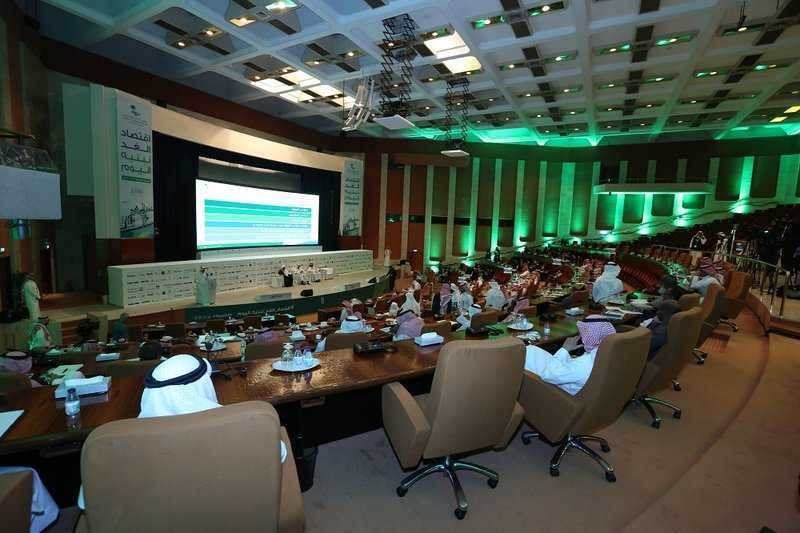
<During the opening ceremony, the Emir of Riyadh delivered a speech in which he said: ”Through Vision 2030, the Kingdom of Saudi Arabia aspires to achieve a qualitative developmental leap and strengthen the fundamentals of the national economy. The visionary vision and wise policy of the Custodian of the Two Holy Mosques and His Highness the Crown Prince - may God support them - have enabled the Kingdom to overcome many obstacles and challenges, conduct many structural financial and economic reforms, improve the investment environment, and develop systems and legislation, so that the Kingdom ranks high among the economies of the world, especially in business performance indicators.“H.H.H. added that the Kingdom is now ranked among the world's leading economies, especially in the performance of business indicators.
HH The Amir added that the Riyadh Economic Forum makes great efforts to address the issues affecting the development of our country and the obstacles that stand in the way of the development and growth of our national economy, and has been able during its successive sessions to present many recommendations and initiatives that were of interest to decision makers and contributed to enriching the discussion and supporting development efforts in various fields.
Riyadh Economic Forum.
Moving the Forum into a center for macroeconomic issues
Bin Saleh said that the forum has become a center for macroeconomic issues. The Riyadh Economic Forum, with the support of the Riyadh Chamber, is working to move the forum to broader horizons to turn it into a strategic think tank concerned with macroeconomic issues and addressing development issues in line with the current trends of the Kingdom.
In turn, the Chairman of the Board of Directors of the Riyadh Economic Forum delivered a speech.
In turn, Riyadh Chamber Chairman Eng. Ahmed bin Sulaiman Al Rajhi delivered a speech during which he addressed the role of the Riyadh Chamber in serving the community and the national economy, indicating a departure from the traditional pattern by carrying out its national responsibility in addressing national macroeconomic issues differently.
The Legislative System for Economic Development
A special session addressed the current status of legislation in the Kingdom related to the economic sectors, identifying shortcomings, gaps, conflicts and overlapping jurisdictions between some legislations, and the impact on economic development, at a time when the Kingdom's Vision 2030 is moving towards amending legislation to facilitate and stimulate economic development and address all obstacles and challenges facing it.Participants discussed several legislative issues related to economic development. The participants discussed several themes and questions about the existence of legislation that is not applied on the ground, the extent of conflict or conflict between legislation and the multiple jurisdictions in legislation, in addition to addressing the need to fill the gaps and deficiencies in some legislation, the extent of harmonization of local legislation with regional and international legislation, as well as the extent of compliance with the economic agreements signed.
Participants discussed the need to fill the gaps and deficiencies in some legislation, the extent of harmonization of local legislation with regional and international legislation, as well as the extent of compliance with the economic agreements signed.
Integration of the legislative system
Participants in the discussion reviewed the mechanisms followed in publishing and disclosing legislation and whether anyone from inside or outside the Kingdom can access any legislation of interest to them.Participants in the discussion reviewed the mechanisms followed in publishing and disclosing legislation and whether anyone from inside or outside the Kingdom can access any legislation of interest to them. <The study expanded on the need to integrate the legislative system by surveying the views of government officials, officials of local and foreign companies, academics, citizens and residents about legislation in the Kingdom and the obstacles facing it. It also included a comprehensive and detailed review of the successful and distinctive experiences of five regional and international countries, highlighted the shortcomings of legislation related to economic development, and included comprehensive, integrated and detailed recommendations that take into account the advantages of successful international experiences that are able to achieve the objectives of this study, The session was held under the chairmanship of the President of the Board of Grievances Sheikh Dr. Kh