
The Saudi real estate market demonstrated remarkable resilience during the first quarter of 2026, bolstered by the momentum of government projects and ongoing economic diversification programs, while the logistics, hospitality, and retail sectors continued to post strong performance, and the residential sector entered a rebalancing phase after years of rapid growth.
JLL revealed in its report on the performance of the Saudi real estate market during the first quarter of 2026 that the market successfully weathered the slowdown in activity resulting from regional uncertainty, in its report on the performance of the Saudi real estate market during the first quarter of 2026, that the market successfully weathered the slowdown in activity resulting from regional uncertainty, with clear resilience emerging in a number of key sectors, affirming that government support within the objectives of Saudi Vision 2030 continues to underpin long-term growth prospects. The real estate market is undergoing a measured phase of development, supported by the industrial and logistics sectors, which are operating near full capacity, reflecting the Kingdom’s position as a key hub in regional and global supply chains.
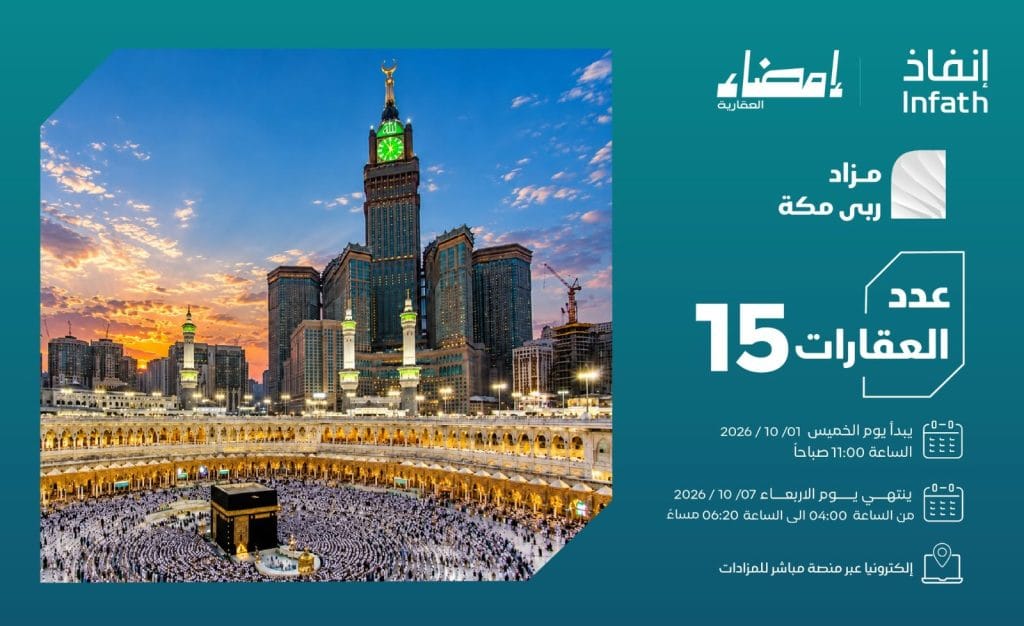
The cities of Makkah and Madinah continue to support the hospitality sector thanks to strong demand linked to the Umrah season, while the slowdown in the residential sector is viewed as a healthy phase of market realignment, preparing it for more sustainable growth in the coming years.
Premium offices remain resilient
The office sector has shown clear resilience despite regional pressures, supported by the continued growth of Saudi Arabia’s role as a regional business hub. Demand for modern, serviced offices has risen, as companies increasingly seek high-quality spaces with strategic locations and integrated services.
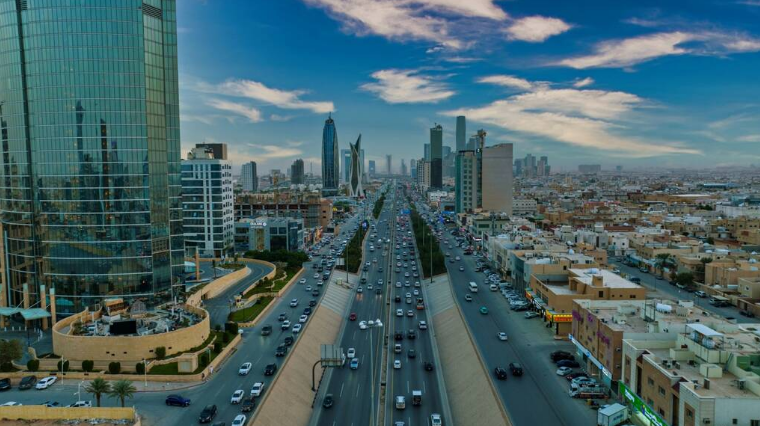
In Riyadh, premium offices maintained strong performance levels amid limited supply and sustained high demand, with a vacancy rate of just 3.21%, while the King Abdullah Financial District continued to top the list of the highest office rents in the capital.
Luxury office rents in Riyadh recorded annual growth of 5.51%, while Class A office rents rose by 2.11% and Class B by approximately 5.11%, driven by strong demand and a shortage of new supply.
In Jeddah, the vacancy rate for Class A offices reached approximately 6%, coinciding with a 3.81% decline in rents as tenants moved to newer properties, while Class B office rents rose by 2.51% as companies sought to balance quality and cost. In Dammam, occupancy rates for Class A and Class B offices improved, coinciding with rent increases of 9.21% and 8.71%, respectively, reflecting continued demand for lower-cost office space. The office construction sector also saw significant activity, with over 179,000 square meters of new space completed in Riyadh during the first quarter, and an additional 1.2 million square meters expected to be added by the end of this year.
Retail Outlets Face the Test of New Supply
In the retail sector, shopping malls in Riyadh and Jeddah maintained strong performance during the first quarter, driven by population growth and rising consumer spending, alongside a rapid shift in retailers" strategies toward entertainment activities, interactive experiences, and the expansion of the food and beverage sector.
Vacancy rates in major regional shopping centers in Riyadh stabilized at low levels of 2.11%, while regional and local malls recorded relatively higher rates of 9.71% and 10.41%.
In Jeddah, the vacancy rate in major shopping centers reached approximately 7%, while vacancy rates in secondary malls rose, at a time when rents in major malls recorded annual growth of 13%, reflecting the continued strength of prime retail assets. Despite the strong performance, the report noted that the market is preparing for a massive wave of new supply, as retail stock in Riyadh rose to 4.7 million square meters, with an additional 896,000 square meters expected to be added during the remainder of the year. The company predicted that this expansion would increase pressure on rents, particularly in secondary assets, as competition among landlords to attract tenants intensifies.
Hospitality Relies on Umrah and Domestic Tourism
The hospitality sector recorded mixed performance during the first quarter of 2026, affected by a decline in international visitor numbers due to geopolitical tensions; however, domestic demand and religious tourism provided significant support for hotel activity. The hotel occupancy rate across the Kingdom reached approximately 66.31%, with average daily rates rising by 31% to over 805 riyals, while revenue per available room declined slightly.
Performance varied across cities, with Riyadh seeing occupancy rates drop to 52.21% and revenue per available room decline by approximately 9.51%, despite higher daily rates.
In contrast, Jeddah performed more strongly, with occupancy rising to 66.11% and revenue per available room increasing by 4.41%. As for Makkah and Madinah, continued to benefit from religious momentum, with the two cities recording high occupancy rates of 78.6% and 81.3%, respectively, supported by demand linked to Umrah and religious visitors. Hotel supply also continued to grow, with the number of hotel rooms in Riyadh rising to approximately 49,400, while Makkah added about 1,700 new rooms during the first quarter.
Price Correction in the Residential Sector
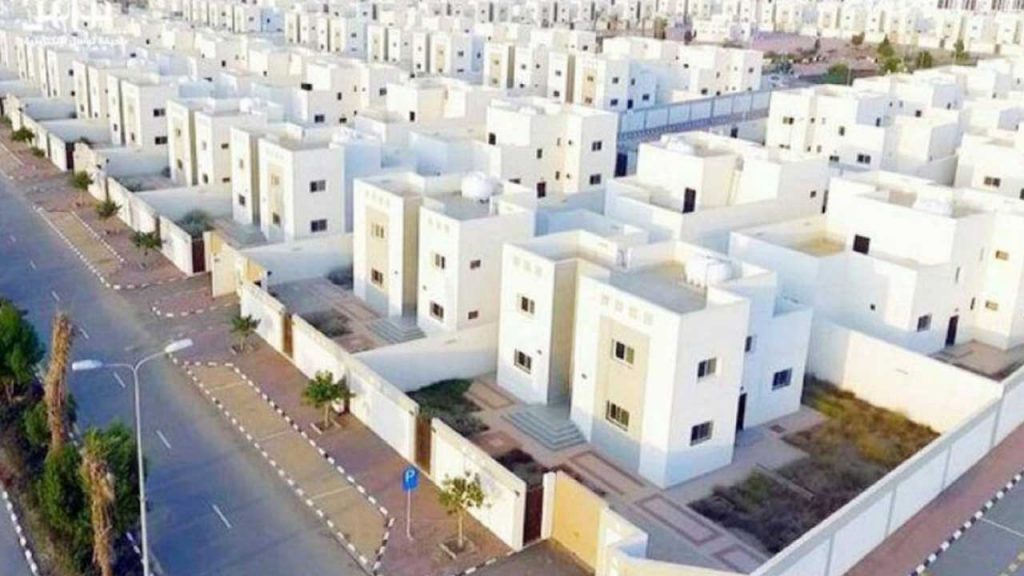
The residential unit sector witnessed a sharp decline in transaction activity during the first quarter of this year, affected by economic uncertainty, regional tensions, and recent regulatory changes.
Riyadh recorded more than 8,600 residential transactions, a decline of over 54% compared to the same period last year, while transactions in Jeddah fell by more than 51%, and in Dammam and Al-Khobar by 18.61% and 22.51%, respectively. The market has also begun to witness a gradual shift from speculation-driven growth to a market more closely linked to real demand and purchasing power.
In Riyadh, apartment prices fell by 10.8%, while villa prices rose by approximately 2.6%. On the other hand, Jeddah recorded growth in apartment and villa prices of 4% and 3.8%, driven by coastal projects and tourism developments. Despite the current downturn, the company expects factors such as population growth, government housing programs, and infrastructure investment to support a gradual recovery in market activity over the long term.
It also noted the continued expansion of housing supply, with the inventory of units in Riyadh reaching approximately 2.19 million units, and expectations of adding more than 20,000 new units during the current year.
Logistics Continues to Lead the Way
Conversely, the logistics and industrial sector continued to lead the real estate growth landscape in the Kingdom, with occupancy rates rising to over 90% in Riyadh and Jeddah, supported by strong demand for modern warehouses and facilities. Industrial rents in Riyadh recorded annual growth of 5.11%, while they rose by 5.31% in Jeddah, and rents in Dammam jumped by approximately 9.91%.
The report noted that strong demand for high-quality logistics assets is driven by the expansion of e-commerce, improvements in supply chains, and increased activity by logistics service providers. The company emphasized that the Kingdom’s strategic location and expanding port network, along with the National Industrial and Logistics Development Program, reinforce Saudi Arabia’s position as a major hub for trade and supply chains in the region.