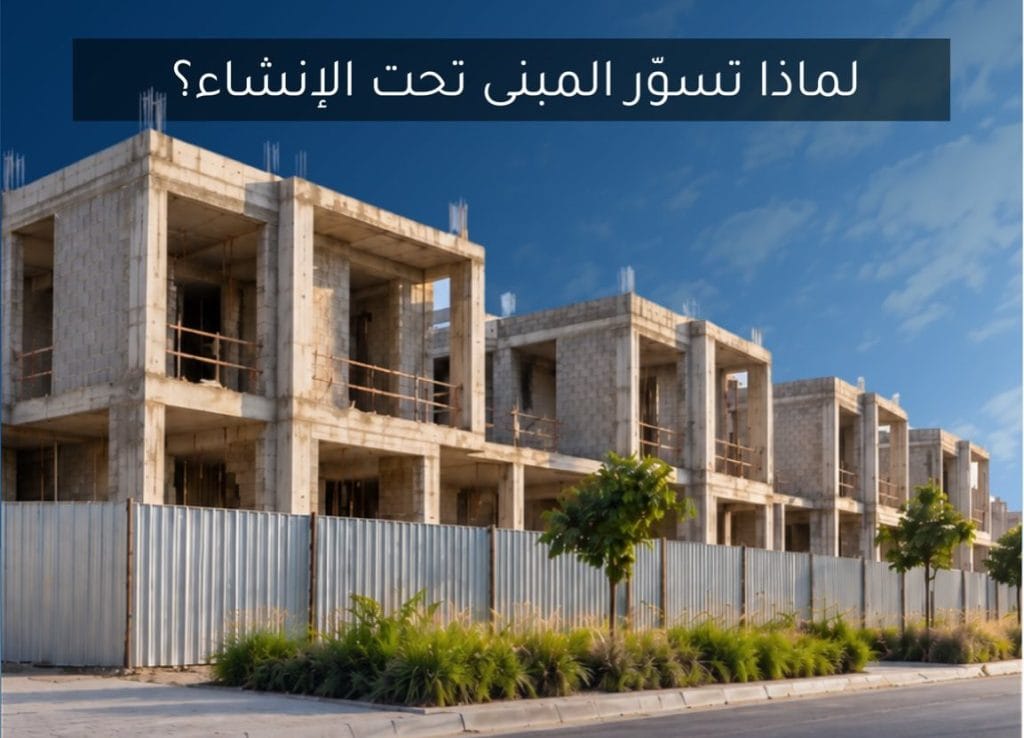

The real estate sector in the Kingdom of Saudi Arabia is undergoing a period of rapid regulatory transformation, driven by a package of legislation and reforms aimed at improving market efficiency, enhancing transparency, and achieving a balance between supply and demand, in line with the objectives of Saudi Vision 2030. Among the most notable of these changes is the issuance of the executive regulations for vacant property fees, which represent one of the most important modern regulatory tools for addressing the phenomenon of real estate asset hoarding within urban areas.
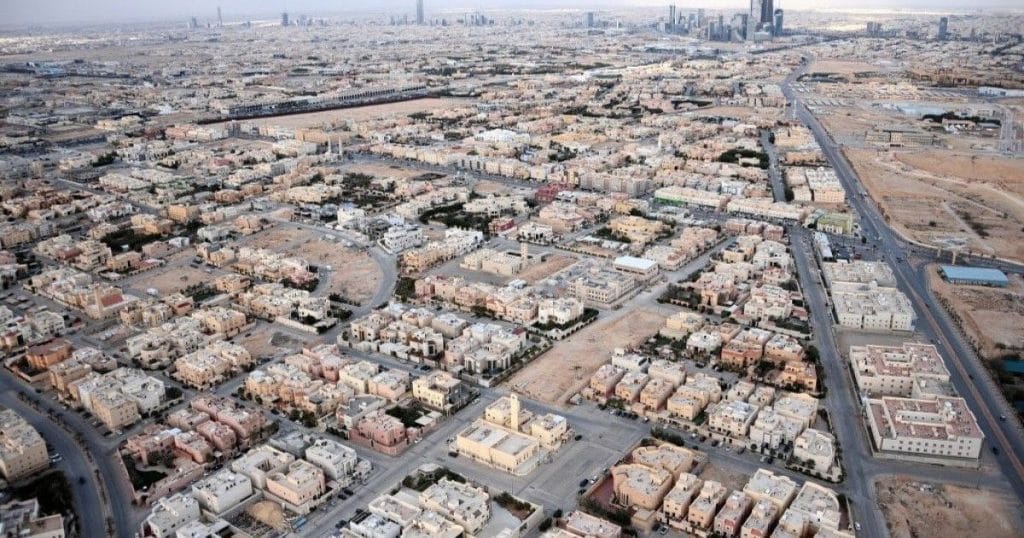
This regulation comes at a critical time, especially given the rising demand for residential and commercial units in a number of major cities (particularly Riyadh) , contrasted by a large volume of ready-to-use but unused properties, whether held for speculative purposes or as long-term investment holdings. Therefore, the imposition of annual fees on vacant properties should not be viewed as a purely financial measure, but rather as an economic and regulatory tool aimed at stimulating and increasing the supply of real estate and enhancing asset turnover within the market.
One of the most significant positive effects expected from the implementation of this regulation is an increase in the real estate supply, whether through re-listing units for rent or sale, which may gradually stabilize prices and rents, particularly in densely populated cities. This step will also contribute to improving the urban landscape and reducing the proportion of unused buildings within cities, thereby enhancing quality of life and increasing the efficiency of urban development.
From an economic perspective, taxes on vacant properties redirect investment thinking toward the concept of «productive real estate» rather than holding assets without putting them to use. A healthy real estate market is one in which assets are constantly in motion and fulfill their developmental and economic roles, not one in which properties remain frozen for years outside the economic cycle.
Conversely, the success of this regulation depends largely on the clarity of enforcement mechanisms and fairness in valuation, particularly regarding the determination of vacancy status, the method for calculating fee amounts, and potential exemptions for certain special cases. Furthermore, the next phase requires advanced digital integration among regulatory bodies, real estate platforms, and municipal services to ensure data accuracy and ease of compliance.
It is important to note that the regulation is not so much aimed at real estate investors as it is at addressing market distortions and increasing the efficiency of existing real estate inventory. In fact, professional investors may be among the biggest beneficiaries of these regulations, as they create a more mature, transparent, and stable market in the long term.
In my estimation, the Saudi real estate market is entering a new phase in the coming period characterized by «Efficiency of Use» rather than simply «asset ownership.» This phase will help reshape the relationship between owners, developers, investors, and end-users, thereby supporting the sector’s sustainability and enhancing its investment appeal both domestically and internationally.
As real estate and regulatory reforms continue in the Kingdom, we are witnessing a modern real estate model that is gradually moving toward achieving a balance between development, investment, and regulation, which clearly reflects the scale of the transformation the Saudi real estate sector is undergoing as one of the most important drivers of the national economy in the coming years.
@BeshriM