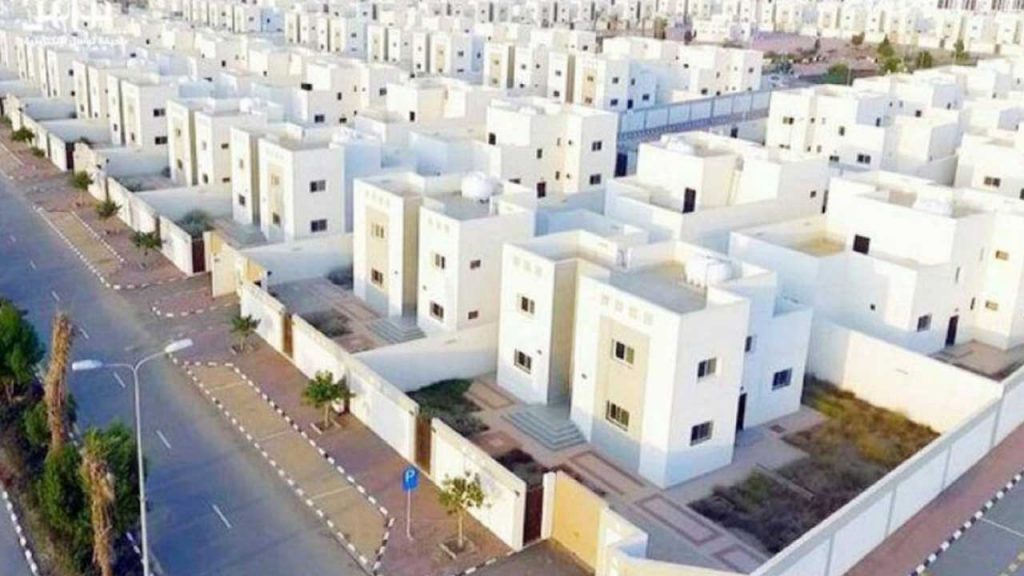
تُعد المشاريع الكبرى أحد أبرز المتغيرات التي ترسم المشهد العمراني والعقاري في المدن السعودية، حيث انعكست آثارها بشكل مباشر على الأحياء السكنية المجاورة عبر تحسين البنية التحتية ورفع جاذبية المواقع وزيادة الطلب العقاري، في مقابل تحديات مرتبطة بارتفاع الأسعار والإيجارات وتزايد الكثافة المرورية في بعض المناطق.
عبدالرحمن الفليج: ارتفاع القيمة المعنوية والمادية للعقارات المجاورة

أكد عبدالرحمن الفليج، وسيط عقاري، أن المشاريع الكبرى أسهمت بشكل مباشر في رفع جودة الحياة داخل الأحياء السكنية المحيطة بها، مشيراً إلى أنها أصبحت عامل جذب رئيسياً ومؤثراً في تعزيز مكانة وتميز تلك الأحياء.
وأوضح أن سكان الأحياء استفادوا من المستثمرين العقاريين عبر توفير منتجات سكنية تتسم بجودة أعلى ومواقع أكثر جاذبية، فيما استفاد المستثمرون بدورهم من ارتفاع الطلب على مشاريعهم، ما خلق علاقة تكاملية حققت منافع مشتركة لجميع الأطراف.
وأشار الفليج إلى أن من أبرز الآثار الإيجابية للمشاريع الكبرى سهولة الوصول إلى الخدمات والمرافق، وارتفاع القيمة المعنوية والمادية للعقارات المجاورة، إضافة إلى تشجيع السكان على ممارسة الأنشطة الرياضية والترفيهية، خاصة بالقرب من مشاريع نوعية مثل حديقة الملك سلمان وحديقة الملك عبدالعزيز.
وفيما يتعلق بالتحديات المصاحبة لهذه المشاريع، أوضح أن الجهات المعنية تعمل بصورة استباقية على معالجة الآثار السلبية المحتملة، وفي مقدمتها الحركة المرورية، وذلك من خلال تطوير شبكات الطرق وتسريع تنفيذ مشاريع البنية التحتية الداعمة.
وحول الارتفاعات السعرية في السوق العقارية، أكد الفليج أن الطلب المتزايد يظل المحرك الرئيس للأسعار، لافتاً إلى أن قرارات التوازن التي اتخذتها الجهات المختصة أسهمت في الحد من الارتفاعات غير المنطقية والمفتعلة التي نتجت عن الطلب المرتفع من بعض المطورين العقاريين أكثر من الأفراد.
وبيّن أن المشاريع الكبرى كان لها أثر إيجابي واضح على حركة البيع والشراء والتأجير في المناطق المجاورة، حيث أدت إلى زيادة الطلب العقاري نتيجة استقطابها آلاف العاملين بمختلف التخصصات والمستويات، الأمر الذي عزز النشاط العقاري في نطاقها الجغرافي المباشر.
وأضاف أن هذه المشاريع نجحت كذلك في جذب استثمارات نوعية ومستدامة، حيث تتجه مختلف الأنشطة الاقتصادية للاستثمار داخل محيطها، مستشهداً بما شهدته المناطق المحيطة بمحطات قطار الرياض من نمو ملحوظ في الأنشطة الاقتصادية والعقارية عقب بدء تشغيل المشروع.
وأكد الفليج أن تأثير المشاريع الكبرى على سوق السكن والإيجارات بات واضحاً من خلال ارتفاع معدلات الإقبال على السكن والتأجير في المناطق القريبة منها، إلى جانب محدودية المعروض مقارنة بحجم الطلب المتزايد. وعن المستفيد الأكبر من هذه المشاريع، أوضح أن الفائدة تشمل جميع الأطراف، سواء المطور العقاري أو المستثمر أو الساكن، الأمر الذي ينعكس إيجاباً على ازدهار القطاع العقاري وتعزيز جاذبيته الاستثمارية.
واختتم حديثه بالتأكيد على أن المشاريع الكبرى تستهدف خدمة المدينة بأكملها، وليس الأحياء السكنية المجاورة فقط، مشيراً إلى أن السكان والزوار على حد سواء يجنون فوائدها، بينما تظل التحديات المرتبطة بالمواقف أو الحركة المرورية محدودة ويتم التعامل معها بفاعلية، بما يضمن استمرار الأثر الإيجابي لهذه المشاريع على التنمية الحضرية وجودة الحياة.
أحمد الضعيان: الأسعار الحالية تعكس القيمة الحقيقية والتوقعات المستقبلية

أكد أحمد بن عبدالعزيز الضعيان، مستشار عقاري، أن المشاريع الكبرى أسهمت في تعزيز جودة الحياة داخل المدن من خلال تطوير البنية التحتية والخدمات والمرافق العامة، مشيراً إلى أن حجم الاستفادة يختلف من حي إلى آخر بحسب طبيعة المشروع وموقعه الجغرافي.
وأوضح الضعيان أن المستثمرين العقاريين كانوا الأكثر استفادة من هذه المشاريع خلال المرحلة الحالية، في حين استفاد السكان من تحسين الخدمات ورفع كفاءة الأحياء، ولكن بدرجة أقل مقارنة بالعوائد التي حققها المستثمرون والمطورون العقاريون.
وأشار إلى أن من أبرز الآثار الإيجابية للمشاريع الكبرى ارتفاع قيمة العقارات، وتحسين البنية التحتية، وتوسيع نطاق الخدمات المتاحة للسكان، إضافة إلى تنشيط الحركة العقارية في الأحياء المجاورة للمشاريع، حيث شهدت تلك المناطق ارتفاعاً ملحوظاً في معدلات البيع والشراء والتأجير نتيجة زيادة الطلب عليها.
وأضاف أن المشاريع الكبرى نجحت أيضاً في جذب استثمارات جديدة ومتنوعة إلى السوق العقارية، ما يعكس حيوية القطاع ويعزز جاذبيته الاستثمارية على المدى الطويل.
وفي المقابل، لفت الضعيان إلى وجود بعض التحديات المصاحبة لهذه المشاريع، أبرزها ارتفاع أسعار العقارات والإيجارات، إلى جانب زيادة الازدحام والضغط على بعض الأحياء المستهدفة بالتطوير. مؤكداً أن ارتفاع الإيجارات بات يشكل عبئاً متزايداً على شريحة من الأسر.
وحول الارتفاعات السعرية في السوق العقارية، أوضح أن الأسعار الحالية تعكس مزيجاً من القيمة الحقيقية والتوقعات المستقبلية، مشيراً إلى أن جزءاً من هذه الارتفاعات لا يستند بالكامل إلى واقع السوق الحالي وإنما إلى توقعات مرتبطة بمستقبل المناطق المحيطة بالمشاريع الكبرى.
وأكد الضعيان أن الهدف الرئيس للمشاريع الكبرى يجب أن يتمثل في خدمة الأحياء السكنية وسكانها وتعزيز جودة الحياة فيها، إلا أن الواقع يُظهر في بعض الحالات أن السكان يتحملون جزءاً من تكلفة نجاح هذه المشاريع من خلال ارتفاع تكاليف السكن والمعيشة في المناطق المستفيدة من التطوير.