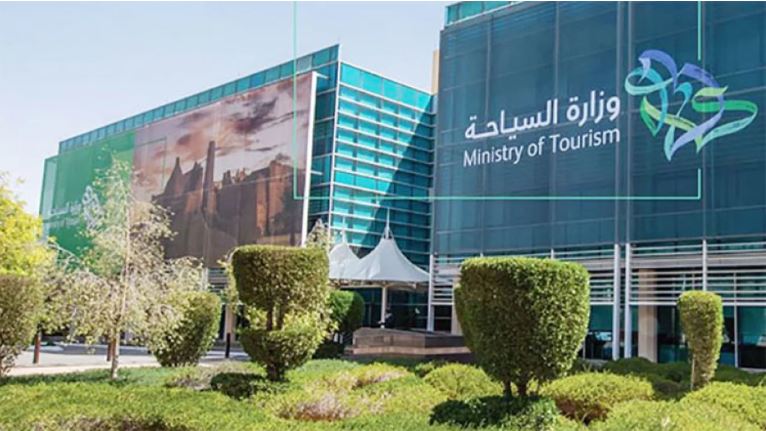

The Ministry of Tourism has adopted updated standards for the licensing and classification of serviced apartments, with the aim of raising the quality of hospitality services, enhancing operational efficiency, and improving the guest experience through an evaluation system based on the quality of facilities, digital services, and universal accessibility standards for people with disabilities.
Two Categories for Serviced Apartment Classification
The Ministry explained that the new regulations divide serviced apartment facilities into two main categories: First Class and Economy Class, based on a points-based system. To obtain a First-Class classification, a minimum of 240 points must be achieved, while the Economy Class classification requires at least 160 points.
The criteria include a two-stage monitoring mechanism, beginning with an inspection of the facility prior to the issuance of the license, followed by an unannounced on-site inspection within six months of the license being granted, to ensure continued compliance with the approved requirements and standards.
What is the difference between serviced apartments and hotel apartments?
The Ministry confirmed that serviced apartments are intended for medium- and long-term stays and differ from hotel apartments in that they are not required to provide recreational facilities such as restaurants and sports clubs, although a café is required in first-class facilities.
The regulations placed special emphasis on providing an accessible environment for people with disabilities, requiring investors to allocate one fully equipped residential unit for every 100 units, along with engineering requirements for elevators that comply with the Saudi Building Code, including specific dimensions, Braille signage, and audible and visual signals.
The regulations also specify minimum sizes for residential units, stipulating that the area of an apartment in Class 1 buildings must not be less than 40 square meters, and 25 square meters for a studio, while for economy-class facilities, the minimum is 30 square meters for an apartment and 20 square meters for a studio.
Provision of Electronic Payment Methods
On the operational side, the Ministry required facilities to provide electronic payment methods approved by the Saudi Central Bank and to link guest registration systems to the National Tourism Monitoring Platform, in addition to providing internet service at speeds of no less than 3 Mbps per guest in first-class facilities and 1 Mbps in economy-class facilities. The requirements also emphasize allocating no fewer than 80% of units for non-smokers, with front desks operating 24 hours a day in first-class facilities and 16 hours a day in economy-class facilities, as well as requiring staff to wear official or uniform attire along with identification badges.
The standards also included requirements for interior amenities, such as providing smart TVs and equipping kitchens with essential appliances like a stove, refrigerator, microwave, and kettle, as well as maintaining temperatures in public areas between 20 and 24 degrees Celsius, thereby ensuring a higher standard of accommodation in the Kingdom’s serviced apartments.