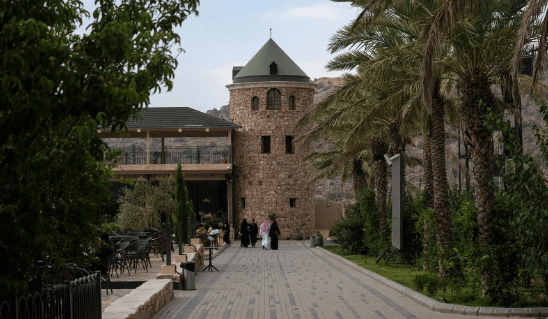

تُعد العمارة الحجرية في محافظة الطائف أحد أبرز الشواهد الحضارية التي تعكس تاريخ المنطقة وخصوصيتها العمرانية، إذ تنتشر البيوت والقلاع والحصون الحجرية في المرتفعات والقرى الجبلية والأودية، لتجسد هويةً معماريةً متوارثةً استطاعت التكيف مع البيئة الطبيعية، وأصبحت اليوم عنصرًا مهمًا في إثراء التجربة السياحية والثقافية، واستقطاب المهتمين بالتراث والعمارة التقليدية.
وتتنوع المباني الحجرية في الطائف بحسب طبيعة التضاريس، فتبرز في مرتفعات الشفا والهدا، وجبال السروات، كما تنتشر في القرى التاريخية الواقعة على امتداد الأودية والسفوح الجبلية، حيث شُيدت من الأحجار المحلية بأشكال هندسية متقنة، مع استخدام الأخشاب في الأسقف والنوافذ، ما وفر لها المتانة والقدرة على التكيف مع المناخ الجبلي عبر مئات السنين.
وأوضحت رئيس مركز تاريخ الطائف الدكتورة لطيفة العدواني، في حديثها لـ”واس”، أن العمارة الحجرية في الطائف تمثل سجلًا تاريخيًا يوثق أنماط الحياة الاجتماعية والاقتصادية التي شهدتها المنطقة، مشيرةً إلى أن تنوع البيئات الجغرافية أسهم في ظهور مدارس معمارية متعددة، اختلفت في تفاصيلها، لكنها حافظت على وحدة الهوية العمرانية للطائف.
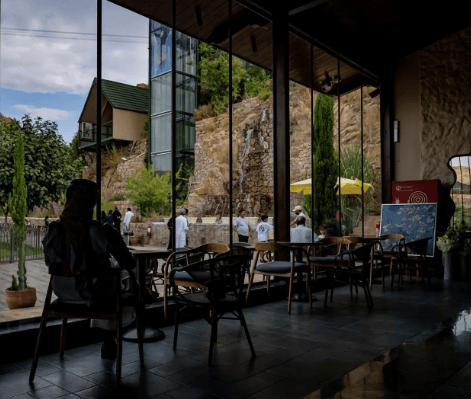
وأفادت أن البيوت الحجرية لم تكن مجرد مساكن، بل شملت أبراجًا دفاعية، وقلاعًا، ومجالس، ومستودعات للحبوب، ومنشآت زراعية، صُممت جميعها بما يتلاءم مع طبيعة الجبال والأودية، ويحقق الاستفادة من عناصر البيئة المحلية، مؤكدةً أن هذا التنوع منح الطائف ثراءً معماريًا نادرًا على مستوى المملكة.
وأشارت العدواني إلى أن انتشار العمارة الحجرية في شمال الطائف وجنوبها وشرقها وغربها يعكس عمق الاستيطان البشري في المحافظة، ويبرز العلاقة الوثيقة بين الإنسان والطبيعة، حيث أسهمت الجبال والأودية والمرتفعات في تشكيل الطابع العمراني، ليصبح جزءًا أصيلًا من الهوية الثقافية للمنطقة، مؤكدةً أن المحافظة على هذا الإرث العمراني، وإعادة تأهيل القرى التاريخية، واستثمارها سياحيًا، يسهم في تعزيز السياحة الثقافية، وإثراء تجربة الزائر، وربط الأجيال بتاريخ المكان، إلى جانب دعم الاقتصاد المحلي من خلال تنشيط الحرف التقليدية، والأنشطة الثقافية، والوجهات التراثية.