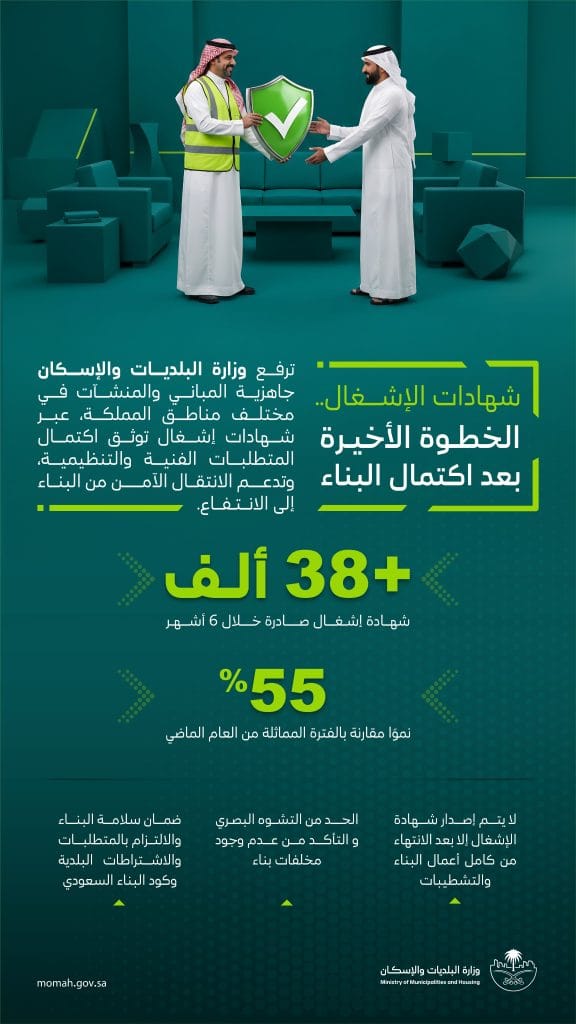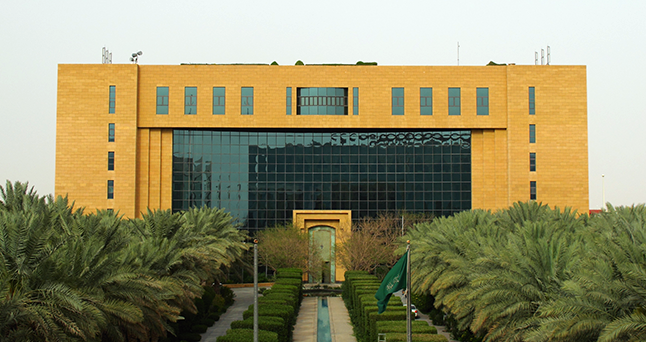

أعلنت وزارة البلديات والإسكان إصدار أكثر من 38 ألف شهادة إشغال للمباني والمنشآت في مختلف مناطق المملكة خلال النصف الأول من عام 2026، مقابل نحو 25 ألف شهادة خلال الفترة المماثلة من العام الماضي، بزيادة تجاوزت 13 ألف شهادة، ونسبة نمو بلغت 55 في المئة.
وأوضحت الوزارة أن شهادة الإشغال تُمثل إحدى المراحل الرئيسة في دورة البناء والتطوير العمراني، وتصدر بعد التحقق من استكمال المبنى أو المنشأة للمتطلبات الفنية والتنظيمية والاشتراطات البلدية المعتمدة، والتأكد من جاهزيته للاستخدام والتشغيل وفق الأنظمة المعمول بها.
وأكدت أن نمو عدد الشهادات الصادرة جاء بالتزامن مع تطوير منظومة الخدمات البلدية، ورفع كفاءة الإجراءات، وتوسيع نطاق الخدمات الرقمية المقدمة للمستفيدين، الأمر الذي أسهم في تسريع إنجاز الطلبات وتحسين تجربة المستفيد.
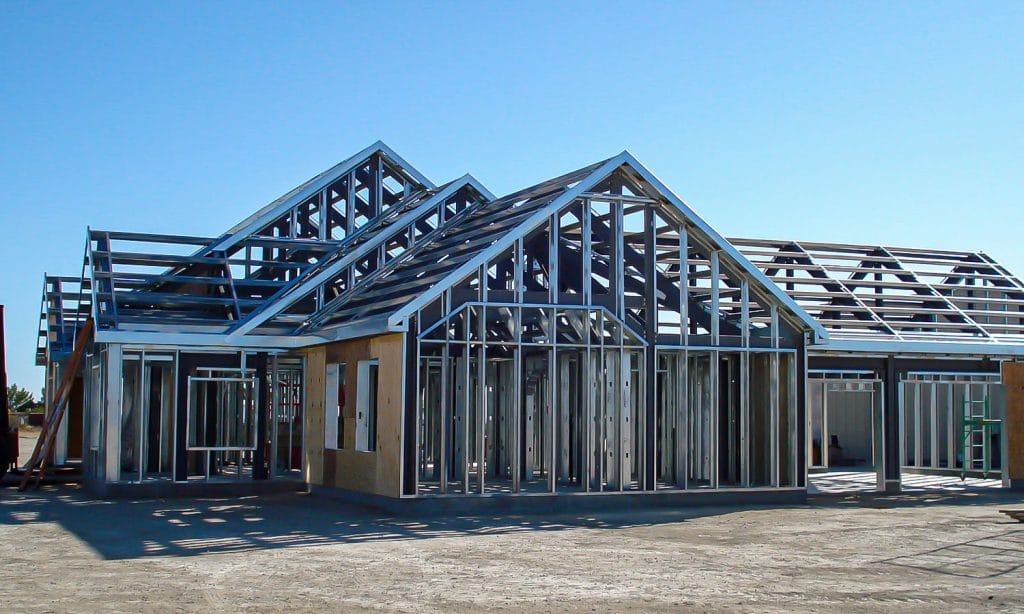
وأشارت الوزارة إلى أن شهادة الإشغال تعزز الالتزام بالمتطلبات والاشتراطات البلدية وكود البناء السعودي، وتدعم سلامة المباني وجاهزيتها للاستخدام، إلى جانب الحد من مظاهر التشوه البصري والتأكد من خلو المواقع من مخلفات البناء، مبينةً أن الشهادة تصدر بعد استكمال أعمال البناء والتشطيبات والتحقق من استيفاء المتطلبات المعتمدة.
يُذكر أن إجراءات الحصول على شهادة الإشغال تبدأ باختيار رخصة البناء عبر منصة “بلدي”، وتحديد المكتب الهندسي المعتمد لاستكمال المتطلبات الفنية ورفع التقرير الهندسي، ثم مراجعة الطلب والتحقق من المبنى ميدانيًا من الجهة البلدية، قبل اعتماد الشهادة وإصدارها إلكترونيًا بعد سداد الرسوم المستحقة.