Custodian of the Two Holy Mosques approves awarding the capital's metro to the world's top 20 train companies
«Riyadh Metro puts it on the map of the largest transportation projects in the world
Emir of Riyadh: The project aims to ease the burden of transportation and support the civilizational components of Riyadh
Riyadh
Riyadh-Amlak
The Custodian of the Two Holy Mosques King Abdullah bin Abdulaziz, may God protect him, directed the speedy completion of the Riyadh Metro in accordance with the highest international specifications and in the most complete manner to be accessible to the residents of Riyadh on time. He also followed with interest the stages of awarding the project contract to the three winning international consortiums, which were approved by his approval to award the project contracts to them, and followed all stages of designs, proposals and studies related to this project, the largest of its kind in the world in size, components and applied technologies, which cost about (84) billion riyals.
<Awarding contracts for the project
His Royal Highness Prince Khalid bin Bandar bin Abdulaziz, Governor of Riyadh Region, Chairman of the Higher Authority for the Development of Riyadh City and Chairman of the Committee overseeing the implementation of the public transport project in Riyadh, announced during the ceremony announcing the awarding of contracts for the implementation of the project, the approval of the Custodian of the Two Holy Mosques to name the project (King Abdullah Public Transport Project - Train and Buses), in gratitude and appreciation for the timeless works he has done for this country, praising his adoption of this project and his continuous guidance to complete the project.
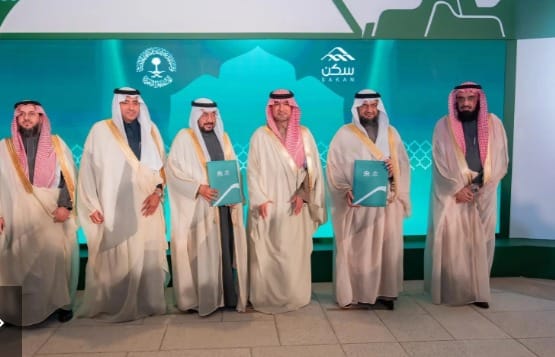
The Emir of Riyadh recently signed, during a grand ceremony attended by H.H. Deputy Emir of Riyadh Prince Turki bin Abdullah and a number of princes, ministers, senior officials and ambassadors at the Culture Palace in the Embassy District, the award contracts with the three international consortiums implementing the project, Pax, FAST and Riyadh New Mobility, at a cost of about (84) billion riyals, which consists of (20) major international companies from 11 countries from different continents of the world and participated in implementing the most famous train and metro networks in major cities of the world, such as Paris, London and Washington, DC: Paris, London, Washington, San Francisco, Singapore, Hong Kong, Sydney, Vancouver, Toronto, Barcelona, etc. Each consortium includes companies specialized in various areas of the project including train manufacturing, train tunneling, civil works, bridge and tunnel works, control and operating systems, mechanical and electrical works, design and management of major projects.
In his speech during the ceremony on this occasion, Prince Khalid bin Bandar expressed thanks, gratitude and great gratitude on behalf of the people and residents of Riyadh and the members of the Supreme Committee supervising the implementation of the project and all working committees, to the Custodian of the Two Holy Mosques King Abdullah bin Abdulaziz for his support, care and attention to this great project and his approval to award its contracts to the winning international consortia, praying to God to complete this project with his grace, and to write the good and benefit for Riyadh and its residents and visitors.
Project specifications
He said: »This project aims to facilitate the lives of citizens and ease the burdens of mobility, and combines between enhancing the Kingdom's status and supporting its civilizational components as one of the fastest growing metropolises in the world and keeping pace with the significant growth of the city's population and area, as it is estimated that the population of Riyadh will grow from about six million people currently to more than eight and a half million people over the next ten years, in addition to the expansion of its area exceeding three thousand and one hundred square kilometers, and the increasing number of vehicles, which this year reached more than one and a half million vehicles, traveling seven million vehicles daily.
He added: «The transportation sector in major cities is the lifeblood of the city, and other sectors of growth and development depend on it: He stressed that the public transport project in the city of Riyadh has received extensive studies conducted by the Riyadh Development Authority and on established standards and criteria that resulted in the development of a comprehensive plan for this sector, including a network of electric trains and buses.
Prince Khalid Bin Riyadh addressed the audience at the end of his speech.
At the end of his speech, Prince Khalid bin Bandar addressed the people of Riyadh: It is my hope and hope that we will all cooperate in understanding the project's construction requirements, the effects that may result from the smooth movement of traffic in its implementation sites, and adherence to temporary traffic regulations, in order for us all to reap the fruits of this large and modern project that will change the image of our capital and will enjoy its services to the residents and visitors of the city very soon, God Almighty willing.
Exhibition and model of the project
The ceremony witnessed a visual presentation on the progress of the project starting from the development of the (Comprehensive Public Transport Plan for Riyadh) developed by the Riyadh Development Authority, according to which the project is being implemented, through the issuance of the decision of the Honorable Council of Ministers, approving the implementation of the project, the formation of a committee to supervise its implementation, and the decisions and procedures taken, until the announcement of the award of the project to the winning consortiums to implement it, and the Prince of Riyadh and the attendees viewed a model of the project routes prepared for the occasion, which included the project routes and elements.
He was also briefed on an exhibition held in the lobby of the Culture Palace, which included wall paintings explaining the components of the project, including the designs of the vehicles, the main and sub-stations, and the services and facilities they contain