
Riyadh Chamber of Commerce.
Lack of available land for housing
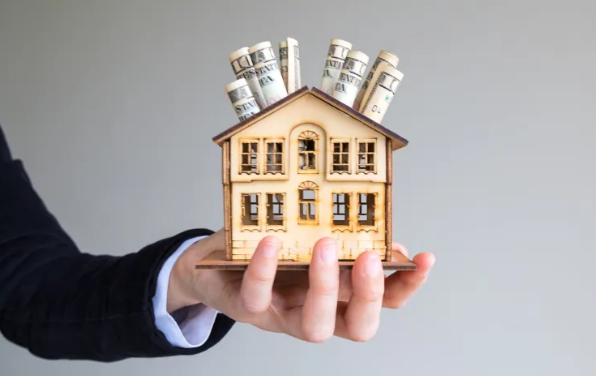
<The study, titled “The Housing Crisis in the Kingdom and its Implications on Rising Housing Rents. Causes and solution proposals”<The reason for the rise in rents in the Kingdom in general, and the capital Riyadh in particular, is due to the lack of availability of land adapted for housing, and the high prices of what is available, which is outside the purchasing power of many residents, indicating that according to the field survey of land use for 1425 AH, the area of Riyadh city is about 5.3 billion square meters, including the first and second urban scope, and the limits of development protection. “The field survey showed that about 45% of the total area is planned and developable white land, while the area of residential land is only 3.4% of the total area of Riyadh (180 million square meters),” she added, explaining that “the previous figures indicate an abundance of planned and developable land, but the lack of financing capabilities, the inability of the Real Estate Development Fund to respond to all requests for mortgage loans on the one hand, and insufficient private financing on the other hand, have led to the inability of different categories of citizens, especially middle and low income people to own their own housing, and thus resorting to
85% of the young population
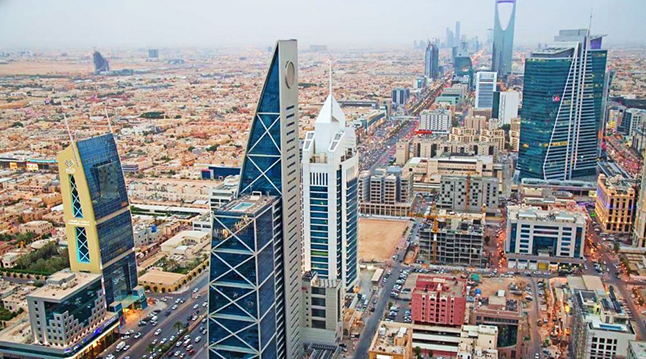
<According to the study, the city of Riyadh will witness a real estate boom, in light of the large population increase, noting that the capital's population will reach about 7 million people by 1445 AH. ”The natural population growth is about 3.1%, so the population of the Kingdom will jump by about 4 million people.”The study pointed to the increasing growth of Riyadh's population due to the fact that about 85% of the Saudi population is under the age of 25, which means that the youth group is the majority, and therefore these young people tend to form a family, which doubles the need for more housing, explaining that what renting families in Riyadh spend on housing according to its type (villas, apartments, houses, etc.) ranges between 14 and 18% of income.
Riyadh's renting households spend on housing according to its type (villas, apartments, houses, etc.) ranges between 14 and 18% of income.
803213 residential buildings in Riyadh
The report on the reality and future of housing in Riyadh showed that the number of residential buildings increased from 146 thousand residential buildings in 1977 to 803 thousand buildings in 2007, explaining that there is an evolution in the citizen's concept of individual housing to housing in shared buildings, as the study showed that apartment buildings, for example, constituted about 64% in 1425 AH, and buildings consisting of one residential unit about 26.5%, and those consisting of two units about 27.5%.
Riyadh's housing stock has evolved in recent years. The study showed that the development of the concept of housing in multi-storey buildings has become desirable in light of the population growth and the inability of the vast majority to build an independent housing for multiple reasons, mainly the lack of available land, high prices, weak purchasing power and financing policies.“
The study showed that the development of the concept of housing in multi-storey buildings has become desirable.