
Real Estate
Real Estate
The real estate market in the Kingdom of Saudi Arabia is expected to perform well in 2017.
Economically GDP growth
The report said that the Kingdom's GDP is expected to grow at an annual rate of 1.1% in 2018, with this momentum increasing to 1.6% in 2019 according to IMF forecasts.
The non-oil sectors are also expected to provide support to the overall economy, with non-oil GDP growth expected to increase to 3% in the medium term, surpassing the overall GDP growth rate.
Addressing residential real estate market issues
The performance of the residential real estate market in Saudi Arabia's major cities and regions (Riyadh, Jeddah and the Eastern Province) entered a phase of slowdown in 2016, with transactions and sale prices negatively affected after a period of relative resilience, a trend that continued in 2017.This trend is attributed to the negative performance of the residential real estate market in Saudi Arabia's major cities and regions. <This negative performance was attributed to the tightening of liquidity in the markets as a result of the fall in oil prices. This was exacerbated by a combination of other inherent factors such as limited affordability, limited access to project finance, undersupply in the low to mid-value market, and the inadequacy of the current supply of residential units.
The NAIOP report stated that the negative performance was due to the tightening of liquidity in the market as a result of the fall in oil prices, which was exacerbated by a combination of other inherent factors. <The Knight Frank report states that there is a sense of satisfaction with current government initiatives aimed at addressing key challenges limiting the growth of the Kingdom's residential sector, including high land prices, imbalance between supply and demand, affordability and other challenges. Regulatory efforts - such as the white land regime, mega housing projects, and amendments to the mortgage law - demonstrate the government's intention to address issues in the Kingdom's residential real estate market. While the benefits of these efforts are slowly emerging, we view these initiatives as a step in the right direction towards boosting real estate market activity in the coming years.
Commercial Office Sector
Economic uncertainty has put downward pressure on occupiers“ expansion plans in 2017, and this is particularly true in Riyadh where government entities are the main office occupants. We expect demand for office space to remain weak in 2018, leading to further pressure on commercial real estate rents, but occupancy rates are likely to remain relatively stable as the supply chain remains stagnant in the medium term.
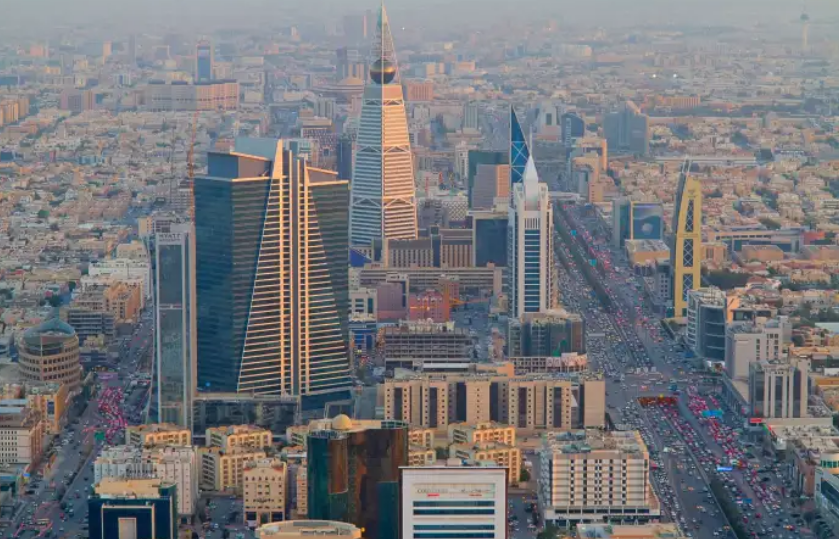
In fact, Riyadh has long been a hotspot for occupier expansion. In fact, the Saudi real estate sector has long been characterized by a lack of Grade A office space, with many occupiers owning the buildings they occupy, and thus occupancy rates in major real estate projects remain at high levels. In recent years, the Grade A office market in Riyadh has been dominated by a lack of supply, with occupancy rates in key assets such as Kingdom Tower and Al Faisaliah Tower reaching 100%, and the supply chain rigidity extends to Grade A commercial office space in Jeddah similarly.
The supply chain rigidity extends to Grade A commercial office space in the city of Jeddah. <Major mixed-use projects such as King Abdullah Financial Center and Jeddah Waterfront are of great importance to the development of the commercial office market, and once completed, they will significantly change the dynamics of the market by providing the best mixed-use real estate products. However, given the current economic conditions, delays in the completion phases of major projects are likely.
New initiatives in the leisure and accommodation sector
The hospitality market in Jeddah and Riyadh faced a lot of adverse influences throughout 2017, which came as a result of broader economic conditions and oversupply in the market. In terms of performance, revenue per available room (RevPAR) was negatively impacted by these pressures. <The distribution of tourism products remained highly unbalanced in both cities, with 5-star hotels accounting for more than 50% of the total number of hotels in both Jeddah and Riyadh. As such, the midscale and upscale hotel sector represents a more significant investment opportunity than the upscale and luxury hotel sector.
The launch of new initiatives indicates that the hotel industry is well positioned to capitalize on this opportunity. <The launch of new initiatives in the leisure sector, such as cultural events and Entertainment City, signals serious steps to build the Kingdom's reputation as a leisure destination in the region and diversify the demand base. By diversifying the demand for potential visitors, sustainable demand growth can be stimulated in the medium term, which will lead to additional employment opportunities in the local market. Despite the slowdown in performance, opportunities to develop the hospitality sector in both cities will continue to be supported by the government's long-term ambitions in this regard.
Despite the slowdown in performance, opportunities to develop the hospitality sector in both cities remain.