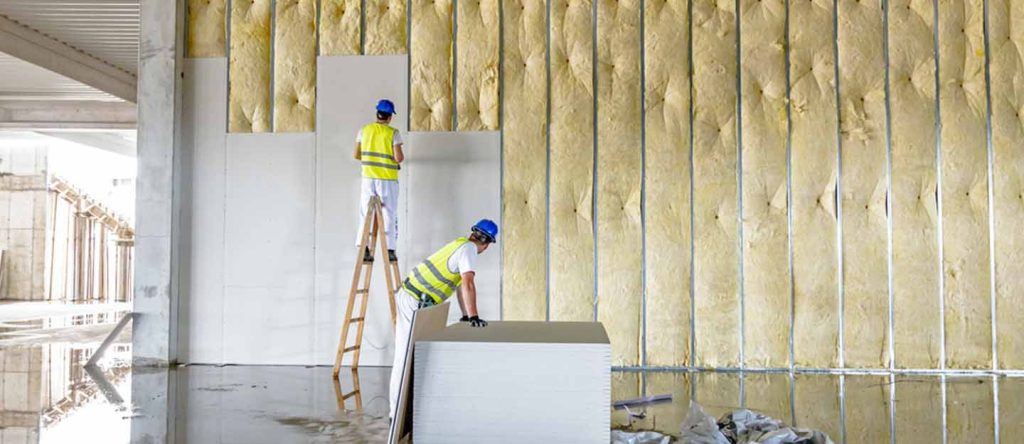

Thermal insulation is defined as minimizing the transfer of heat through building parts, especially (walls, roofs, windows), and its external elements, whether from inside to outside, as in winter (heat loss), or from outside to inside, as in summer (heat gain).
The Saudi Center for Thermal Efficiency (SCTE) The Saudi Center for Energy Efficiency “Efficiency” showed that the application of thermal insulation in buildings contributes to reducing the electrical energy consumed in air conditioning and heating devices between 30 to 40%, and the use of double glazing and heat-reflecting glass reduces up to 5% of air conditioner electricity consumption, and recommended building owners to use light exterior colors of the building because it reduces heat absorption (thermal gain).
The cost of thermal insulation in buildings ranges from 30 to 401 TP3T. According to recent studies, the cost of thermal insulation in buildings (walls - ceilings - windows) ranges from 3 to 5% of the total cost of the building, which is an acceptable cost given the great benefits that will return to the citizen and the country as a result of implementing thermal insulation applications and popularizing its use.
The importance of applying thermal insulation in buildings, according to specialists, lies in maintaining a moderate temperature for a long time inside the building, which leads to reducing the operation of air conditioning or heating devices, and its impact is reflected in the value of consumption in the electricity bill and reduces the high costs of operation and maintenance, extending the life of appliances and home furniture, in addition to extending the life of the building, reducing structural cracks, fire resistance, reducing structural loads due to the lightness of the materials used, and protecting the environment.