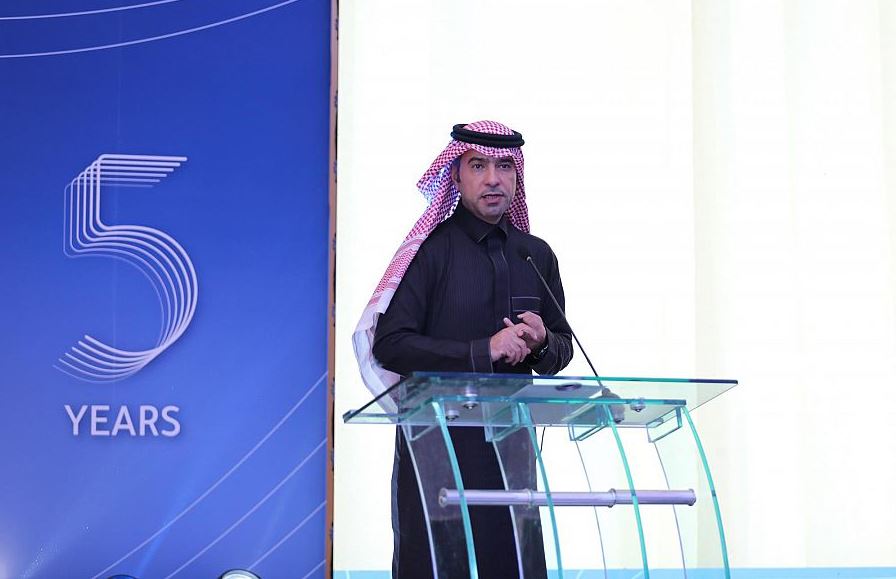

<Majid Al Haqeel, Minister of Housing, stressed that the ministry does not force the citizen to a specific housing product, but rather offers him several options and he decides what is suitable for him, pointing out that the ministry seeks to find solutions that please the citizen and provide him with the appropriate housing regarding the Council of Ministers Resolution No. 82.
This came during his response to questions raised by members of the Shura Council yesterday, in its regular session, chaired by Sheikh Dr. Abdullah Al Sheikh, Speaker of the Council, who pointed out that the issue of housing is of concern to every citizen and relates to his priorities and the increasing need for housing, especially with the great expansion, population and government spending, in various regions of the Kingdom.
During the session, the Minister of Housing reviewed the achievements, programs and initiatives of the Ministry during the past two years within the framework of the policies of regulating the sector, supporting supply and enabling demand to provide various housing and financing options for all segments of society. He also reviewed the targets of the “Housing Program”, which is one of the programs of the “Saudi Vision 2030” and the efforts of 16 government agencies, with the aim of raising the percentage of residential ownership to 60% by 2020 and 70% by 2030 through an integrated system of diverse solutions, noting that it will provide housing for the neediest families registered in social security by providing hundreds of thousands of homes He explained that the ministry's efforts included many important programs, including those related to the housing finance and support policy, noting that the ministry has worked to stimulate the housing finance sector to create new products, including self-build financing, financing the sale of units under construction, and flexible installments, with the participation of 18 financing entities so far, in addition to providing guarantees and support to make financing available to all segments, indicating that three initiatives have been introduced in this regard, including the loan guarantees program, to enable private sector workers, entrepreneurs, those living in villages and suburbs, pensioners and the elderly to obtain financing for the purchase of housing. He added, “Within the framework of strengthening the policy of supporting supply and providing various housing units at affordable prices through the “Sakani” program, it was announced in 2017 that 120,405 housing units and 77,399 free lands were allocated, and in 2018 the target was announced to allocate 125,000 housing units and 75,000 free lands distributed in all regions of the Kingdom, as well as focusing on stimulating the real estate development sector through the “Partnerships” program to provide housing units that suit the needs and requirements of citizens, in addition to stimulating white land development and encouraging its owners to develop their land and increase the supply, as well as stimulating the use of building technologies, by attracting borderline building technologies. He pointed out that the Ministry of Housing and the Real Estate Development Fund offer three housing options for citizens through the ”Sakani“ program, namely housing units ”ready and under construction“, free land, and subsidized mortgage loans, as well as the Affordable Housing Program, which aims to provide a ”housing“ service and not a ”housing“ product, by building housing units and owning them to the beneficiary, in addition to the development housing program, which aims to provide adequate housing for the most needy categories of citizens.
He pointed out that, within the framework of the policy of developing systems and legislation, work has been done to review systems and legislation to provide a balanced and sustainable housing environment. Several programs and initiatives have been announced in this regard, including the Owners” Union, the Developer Services Center “Completion”, the sale or rental on the map “Wafi”, the rental system “Ejar”, in addition to the rental subsidy initiative, to support citizens who are unable to pay the rent for housing according to the Cabinet decision.
He pointed out that, as part of the policy of developing services, the inclusive experience was launched by establishing an electronic platform to serve citizens through which the process of searching for a housing product, inspection, communication with banks and application, and then obtaining the initial acceptance for lending is facilitated, and the platform enables linking with developers and financing bodies to optimize the customer's journey in the search for housing. Al-Hogail pointed out that the housing sector affects 120 industries between industrial, service, wholesale and retail activities, stressing that every riyal spent on the housing sector has an estimated return of 2.8 riyals in the GDP.
He pointed out that the housing program contributes to increasing the size of the current mortgage finance market from 290 billion to 502 billion by 2020, increasing the contribution of housing to the growth of the non-oil sector from 40 percent to 50 percent, and the growth of GDP by 73 billion riyals, in addition to providing 40 thousand jobs for citizens, and raising the local content of materials in the housing sector from 54 percent to 63 percent by 2020.
After that, Engineer Mufreh Al-Zahrani, Chairman of the Hajj, Housing and Services Committee, presented the main axes of citizens“ questions and inquiries, which came in 564 petitions, which dealt with many topics, especially presented by the Minister of Housing regarding dealing with banks.
The Minister of Housing explained that in order to avoid stumbling, the ministry created the off-plan sales system and the governance between the government, the developer and the citizen in entering and exiting the project has become clear to ensure rights, payment and completion.
In response to a question from a member of the Council, he pointed out that the ministry directs housing products according to the needs of each region. He pointed out that citizens whose income is less than three thousand riyals or who do not have a job can obtain housing through the development housing program. In response to a member's question, he revealed that in the event of death, the housing is granted directly to the heirs without the need to go to any other party.
This came during his response to questions raised by members of the Shura Council yesterday, in its regular session, chaired by Sheikh Dr. Abdullah Al Sheikh, Speaker of the Council, who pointed out that the issue of housing is of concern to every citizen and relates to his priorities and the increasing need for housing, especially with the great expansion, population and government spending, in various regions of the Kingdom.
During the session, the Minister of Housing reviewed the achievements, programs and initiatives of the Ministry during the past two years within the framework of the policies of regulating the sector, supporting supply and enabling demand to provide various housing and financing options for all segments of society. He also reviewed the targets of the “Housing Program”, which is one of the programs of the “Saudi Vision 2030” and the efforts of 16 government agencies, with the aim of raising the percentage of residential ownership to 60% by 2020 and 70% by 2030 through an integrated system of diverse solutions, noting that it will provide housing for the neediest families registered in social security by providing hundreds of thousands of homes He explained that the ministry's efforts included many important programs, including those related to the housing finance and support policy, noting that the ministry has worked to stimulate the housing finance sector to create new products, including self-build financing, financing the sale of units under construction, and flexible installments, with the participation of 18 financing entities so far, in addition to providing guarantees and support to make financing available to all segments, indicating that three initiatives have been introduced in this regard, including the loan guarantees program, to enable private sector workers, entrepreneurs, those living in villages and suburbs, pensioners and the elderly to obtain financing for the purchase of housing. He added, “Within the framework of strengthening the policy of supporting supply and providing various housing units at affordable prices through the “Sakani” program, it was announced in 2017 that 120,405 housing units and 77,399 free lands were allocated, and in 2018 the target was announced to allocate 125,000 housing units and 75,000 free lands distributed in all regions of the Kingdom, as well as focusing on stimulating the real estate development sector through the “Partnerships” program to provide housing units that suit the needs and requirements of citizens, in addition to stimulating white land development and encouraging its owners to develop their land and increase the supply, as well as stimulating the use of building technologies, by attracting borderline building technologies. He pointed out that the Ministry of Housing and the Real Estate Development Fund offer three housing options for citizens through the ”Sakani“ program, namely housing units ”ready and under construction“, free land, and subsidized mortgage loans, as well as the Affordable Housing Program, which aims to provide a ”housing“ service and not a ”housing“ product, by building housing units and owning them to the beneficiary, in addition to the development housing program, which aims to provide adequate housing for the most needy categories of citizens.
He pointed out that, within the framework of the policy of developing systems and legislation, work has been done to review systems and legislation to provide a balanced and sustainable housing environment. Several programs and initiatives have been announced in this regard, including the Owners” Union, the Developer Services Center “Completion”, the sale or rental on the map “Wafi”, the rental system “Ejar”, in addition to the rental subsidy initiative, to support citizens who are unable to pay the rent for housing according to the Cabinet decision.
He pointed out that, as part of the policy of developing services, the inclusive experience was launched by establishing an electronic platform to serve citizens through which the process of searching for a housing product, inspection, communication with banks and application, and then obtaining the initial acceptance for lending is facilitated, and the platform enables linking with developers and financing bodies to optimize the customer's journey in the search for housing. Al-Hogail pointed out that the housing sector affects 120 industries between industrial, service, wholesale and retail activities, stressing that every riyal spent on the housing sector has an estimated return of 2.8 riyals in the GDP.
He pointed out that the housing program contributes to increasing the size of the current mortgage finance market from 290 billion to 502 billion by 2020, increasing the contribution of housing to the growth of the non-oil sector from 40 percent to 50 percent, and the growth of GDP by 73 billion riyals, in addition to providing 40 thousand jobs for citizens, and raising the local content of materials in the housing sector from 54 percent to 63 percent by 2020.
After that, Engineer Mufreh Al-Zahrani, Chairman of the Hajj, Housing and Services Committee, presented the main axes of citizens“ questions and inquiries, which came in 564 petitions, which dealt with many topics, especially presented by the Minister of Housing regarding dealing with banks.
The Minister of Housing explained that in order to avoid stumbling, the ministry created the off-plan sales system and the governance between the government, the developer and the citizen in entering and exiting the project has become clear to ensure rights, payment and completion.
In response to a question from a member of the Council, he pointed out that the ministry directs housing products according to the needs of each region. He pointed out that citizens whose income is less than three thousand riyals or who do not have a job can obtain housing through the development housing program. In response to a member's question, he revealed that in the event of death, the housing is granted directly to the heirs without the need to go to any other party.