

A report by the Riyadh Chamber revealed that the volume of e-commerce transactions in the Kingdom reached $5.7 billion in 2020, following significant growth in the sector since its emergence in 2001, which led Saudi Arabia to become one of the world’s largest markets in 2019 due to the pandemic.
The Riyadh Chamber of Commerce, represented by the Business Support Sector Observatory, issued a report on the state of e-commerce in the Kingdom, with the aim of highlighting the sector’s importance both globally and locally, and promoting it through data from relevant government agencies, as well as companies“ perspectives on e-commerce—including its pros and cons, the sector’s most significant problems and challenges, and proposed solutions.
The report confirmed that the increasing availability of the internet and social media has led to more opportunities for e-commerce this year, highlighting several factors that have driven the current rise in e-commerce, the most important of which are the ease of Internet use worldwide, the increase in sales value (growth in payments), and higher economic returns, in addition to the novel coronavirus.
The report showed that e-commerce in the Kingdom contributed $10.482 million to the national accounts last year, according to e-commerce sectors, with the clothing and footwear sector generating approximately $3,209 million, followed by electronics at $2,998 million, then furniture and household appliances at approximately $1,477 million, and the lowest return coming from food and medicine at $776 million.
The data indicated that e-commerce is clearly growing in the retail sector and is considered one of the most positive sectors, while the sector least affected by e-commerce was vehicle repair.
The report noted that last year’s Global E-commerce Index showed that the Kingdom ranked second in the Arab world and 49th globally among the 152 countries included in the index, which was recently released by the United Nations Conference on Trade and Development (UNCTAD).
The report explained that users” average internet usage increased by 34 percent last year during the COVID-19 pandemic compared to 2019, according to data released by the Communications and Information Technology Commission. It also noted that the percentage of the population using the internet rose to 82.6 percent of the total population, an increase of 7 percent, resulting from natural population growth and the rise in the number of users driven by the COVID-19 pandemic during that period.
The report noted that data from the Ministry of Commerce indicates a 14 percent increase in the number of licensed online stores compared to 2019, as well as a rise in the number of commercial registrations for online stores to 28,676 e-commerce stores and platforms by the end of the first half of 2020, an increase of 3,571 platforms compared to 2019, representing a 14 percent increase.
Articles

03/09/2021
“Amlak publishes contractor classification system, penalties include revocation of classification or 5-year ban on renewal
Riyadh property

28/08/2021
Amlak survey: Real estate advertising controls end speculation and increase the reliability of the real estate sector
Riyadh property

25/08/2021
Here are the details of the new contractor classification system and cover-up exemption rules (Infographic)
Riyadh property

21/08/2021
With more than two billion riyals ... Itqan Real Estate offers 20 different properties in Riyadh, Western and Eastern
Riyadh property

21/08/2021
“Amlak” monitors reactions to the “Real Estate Market Analysis Regulations” after its official adoption”
Riyadh property

11/08/2021
Cabinet approves a new amendment to the ”Real Estate Contributions Committee's working mechanism”
Riyadh property
17/09/2026
The "Amlak" news summary monitors 24,000 real estate transactions and extensive efforts to boost the housing supply.
Amlak Real Estate
17/09/2026
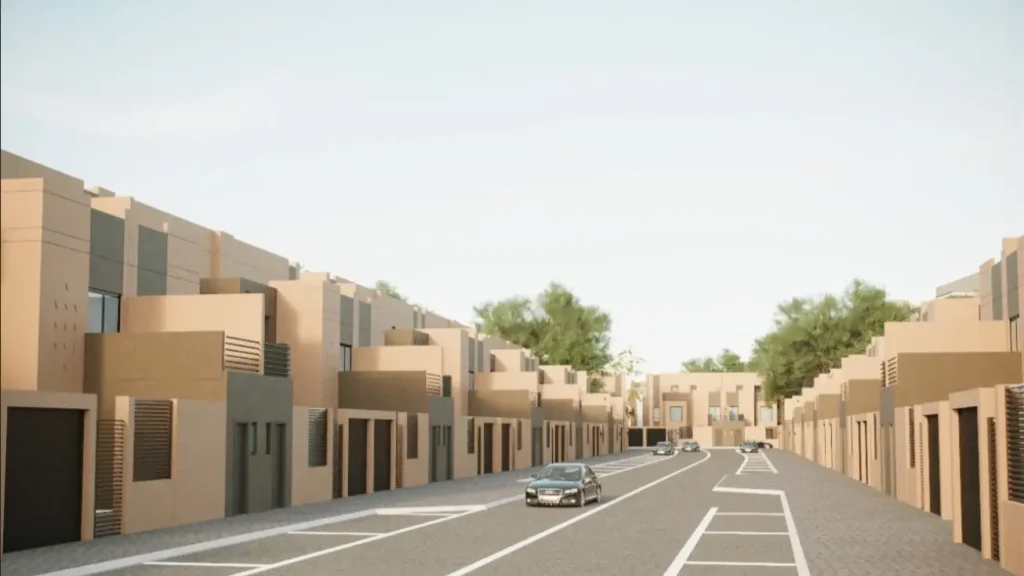
Report reveals: 20% rise in building material costs disrupts housing supply plans
Amlak Real Estate
17/09/2026
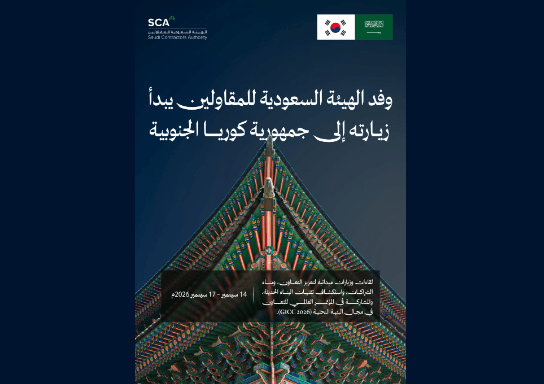
The Saudi Contractors Authority expands its international partnerships with an official visit to South Korea
Amlak Real Estate