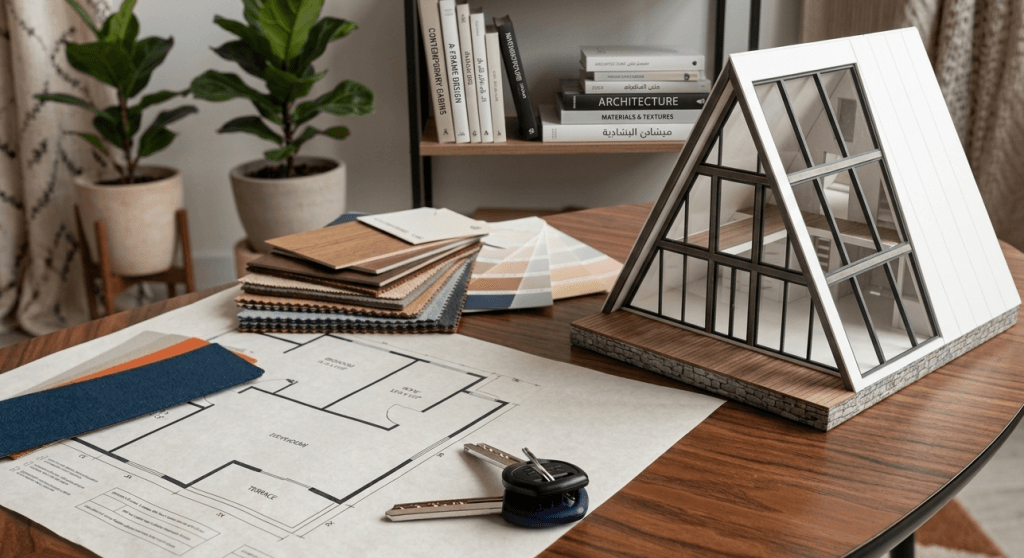

The the Saudi Building Code is a set of specifications and requirements, along with the accompanying implementing regulations and appendices related to building and construction, designed to ensure public safety and health, in accordance with the regulations issued by the National Committee for the Saudi Building Code for the implementation of the Saudi Code for Residential Buildings on July 1, 2021.
Ensuring public safety and security
The Code aims to establish minimum requirements and standards that ensure public safety and health through the durability, stability, and structural integrity of buildings and structures; by facilitating access to them; and by providing a healthy environment with adequate lighting and ventilation, rationalizing water and energy use, and protecting lives and property from the dangers of fire, earthquakes, and other building-related hazards.
The Saudi Building Code applies to all construction and building work, including the design, execution, operation, maintenance, demolition, modification, and rehabilitation of existing buildings and structures.
7 Key Points About the Saudi Building Code
First: Engineers, inspectors, and supervisors working in the field of code enforcement must obtain a license to practice from accredited authorities.
Second: The entities currently authorized to conduct training courses on the Saudi Building Code are the Saudi Council of Engineers, in cooperation with the National Committee for the Saudi Building Code.
Third: The Saudi Code for Residential Buildings sets forth comprehensive requirements covering all aspects of R3-category residential buildings intended for one or two families and no more than three stories high (a detached villa or two villas joined at one or both ends), The Saudi Residential Building Code aims to ensure public safety, the durability, stability, and structural integrity of buildings, ease of use, rational water and energy consumption, a healthy and suitable environment, and the protection of lives and property, while taking into account earthquake zones and other hazards. It requires contractors to comply with the code’s requirements, ensures engineering supervision by engineering firms, and mandates building insurance against hidden defects, thereby limiting fraud, poor workmanship, and arbitrary practices in residential buildings
Fourth: The minimum size for a driver’s or maid’s room is 10 m² according to the code, and this does not include the bathroom.
Fifth: Smoke detectors must be provided in addition to fire extinguishers in kitchens and areas where fires may occur.
Sixth: The minimum ceiling height in residential buildings is 2.1 meters; however, the floor-to-floor height is at the architect’s discretion, and special structural calculations are required if it exceeds 3.6 meters.
Seventh: According to the residential code, the height of the stairwell must be 2 meters.