
The construction industry is a dynamic and ever-expanding industry, but with this growth comes some challenges, such as adhering to energy efficiency standards and achieving cost savings.
Smart building automation systems based on the Internet of Things (IoT) offer an innovative solution to these challenges.
IoT-based intelligent building automation systems offer an innovative solution to these challenges. These systems help builders realize energy cost savings and reduce carbon emissions, by making buildings smarter.
Smart building automation systems based on the Internet of Things (IoT) offer an innovative solution to these challenges. Internet of Things (IoT) and smart building are among the new technologies shaping the future of the construction industry. Smart technologies improve the overall efficiency and performance of real estate projects, enhance the user experience, and reduce the carbon footprint of the construction industry.
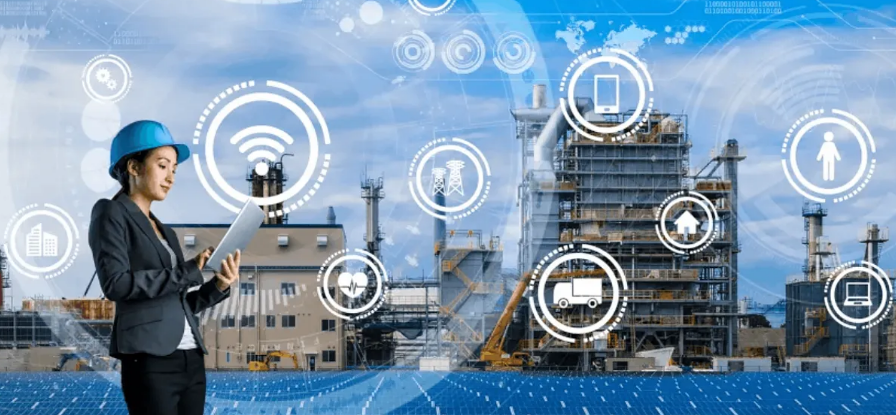
In construction projects, buildings are made smarter by the Internet of Things (IoT). In construction projects, the project site, equipment and structures are equipped with a range of smart devices and sensor systems that are connected via the Internet. These smart devices can monitor and measure many factors such as temperature, humidity, air quality, energy consumption and more, allowing data analysis and extracting the most accurate information about site performance.
In construction projects, the project site, equipment and structures are equipped with a range of smart devices and sensor systems that are connected to each other via the Internet.
Improve energy efficiency
<The Internet of Things in the construction sector also helps to improve energy efficiency and reduce construction costs through a smart building automation system that connects devices and sensors to the cloud, where data is collected and analyzed and HVAC and lighting systems are automatically controlled according to actual conditions without wasting energy. These systems can also effectively manage water and energy consumption, reducing operational costs and improving the environmental performance of the building.These systems can also contribute to the effective management of water and energy consumption, reducing operational costs and improving the environmental performance of the building.
Smart Homes Smart Homes
<For example, when we want to control the indoor climate, we can use smart phones to control the air conditioning or heating through certain applications, and the temperature of the house can be controlled while we are at work, in the market, in the car or anywhere else in order to save energy consumption and provide the greatest comfort for us, and we can also receive a notification through the phone in the attempt of burglary or breaking doors and windows. Today there are smart containers that can sort household waste, save municipalities time in recycling operations and reduce waste collection times by controlling the compactor, which reduces carbon emissions.The Internet of Things (IoT).