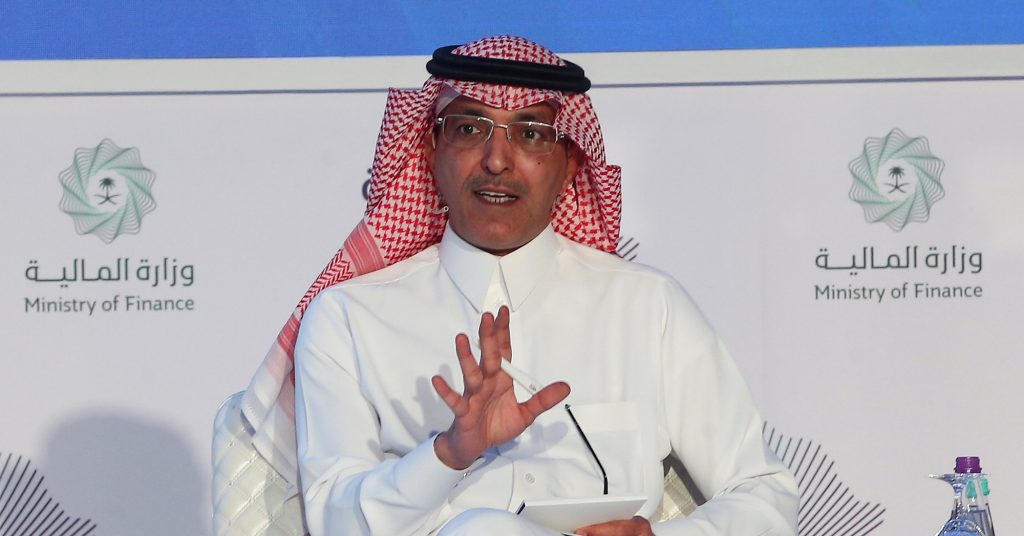

H.E. Minister of Finance Mohammed Al-Jadaan issued a decision approving the Executive Regulation for Zakat Collection (1445 H), which clarifies all treatments related to Zakat collection, facilitates collection procedures in all business sectors, and contributes to raising the level of voluntary compliance among taxpayers.
Zakat Collection Executive Regulation
The new executive regulation comes with 128 articles, which helps in providing detailed explanations for many articles, including more details that raise the level of awareness of zakat procedures and overcome the challenges that taxpayers may face.
The regulation includes all the rules related to Zakat collection, which were issued by ministerial decisions independent of the regulation, including rules for calculating Zakat for discretionary taxpayers, rules for calculating Zakat for financing activities, rules for collecting Zakat from investors in investment funds, rules for not subjecting a taxpayer owned by an endowment to Zakat collection, and rules for not subjecting associations, civil institutions and training units to Zakat collection.
The new regulation is devoted to the collection of Zakat for taxpayers who are not subject to Zakat collection.
<The new regulation singled out sectors that have special zakat treatments in separate chapters to take into account the different commercial activities, such as insurance, finance and other sectors. The regulation also included a separate chapter dealing with the rights of the taxpayer, such as the taxpayer's right to determine the beginning of the activity, the taxpayer's right to amend the zakat declaration, and others.
The new executive regulations specify the form for informing the taxpayer of the Zakat link, which includes the basis for calculating the Zakat link, the amount of Zakat dues, the date of payment of Zakat dues, and the taxpayer's right to object to the Zakat link.
Highlights of the amendments to the Zakat Collection Executive Regulations
The most prominent amendments to the Zakat Collection Executive Regulations include the development of the minimum Zakat threshold, the establishment of a higher Zakat threshold to ensure the taxpayer's right against high Zakat costs, clarifying the treatment of late government receivables, regular deposits, the Zakat impact of treasury shares and cases where the taxpayer is unable to calculate Zakat for investments outside the Kingdom, as well as adding specific controls for requesting documents from taxpayers and allowing the request to amend the Zakat return.The new amendments included adding specific controls for requesting documents from taxpayers and allowing the request to amend the Zakat return. The decision clarifies that the application of the regulation will be effective for fiscal years beginning on January 1, 2024 and thereafter, whose returns are due in 2025, in accordance with the specified conditions and controls.
The new amendments included the addition of specific controls for requesting documents from taxpayers with the possibility of requesting to amend the Zakat return. Zakat, Tax and Customs Authority invited taxpayers and interested parties to familiarize themselves with the new executive regulations for the collection of Zakat by visiting the Authority's website (zatca.gov.The Authority also allows taxpayers from the business sector wishing to obtain more information to contact the Authority through several channels such as the unified call center number (19993), which operates 24 hours a day, seven days a week, or the “Ask Zakat, Tax and Customs” account on the X platform (@Zatca_Care) or through email ([email protected]) or instant messaging on the Authority's website.
The issuance of the Executive Regulations comes in addition to the issuance of the new Zakat Collection Regulations. The issuance of the new executive regulations for the collection of Zakat comes as an extension of enhancing the efficiency of Zakat systems in order to raise the level of compliance and compliance, achieve financial sustainability and support the national economy, raise the level of awareness of all taxpayers and ensure that they receive the best possible experience and ensure ease of doing business and facilitating procedures.
With the issuance of the new executive regulations for the collection of Zakat.