

Stimulating economic activity
The exemptions within the real estate transaction tax system come as part of the government's efforts to stimulate economic activity, especially in the real estate sector. These exemptions aim to ease the financial burdens on real estate investors and developers, allowing them to direct more resources towards developing real estate projects and increasing the supply in the market.
The exemptions also include cases of <The exemptions also include multiple cases such as assignment between first-degree relatives, gifts and inheritance, as well as transfer of ownership as a result of merging or transferring companies. These measures come within a broader framework to encourage local and international investments in the real estate sector, which represents one of the main drivers of the Saudi economy.
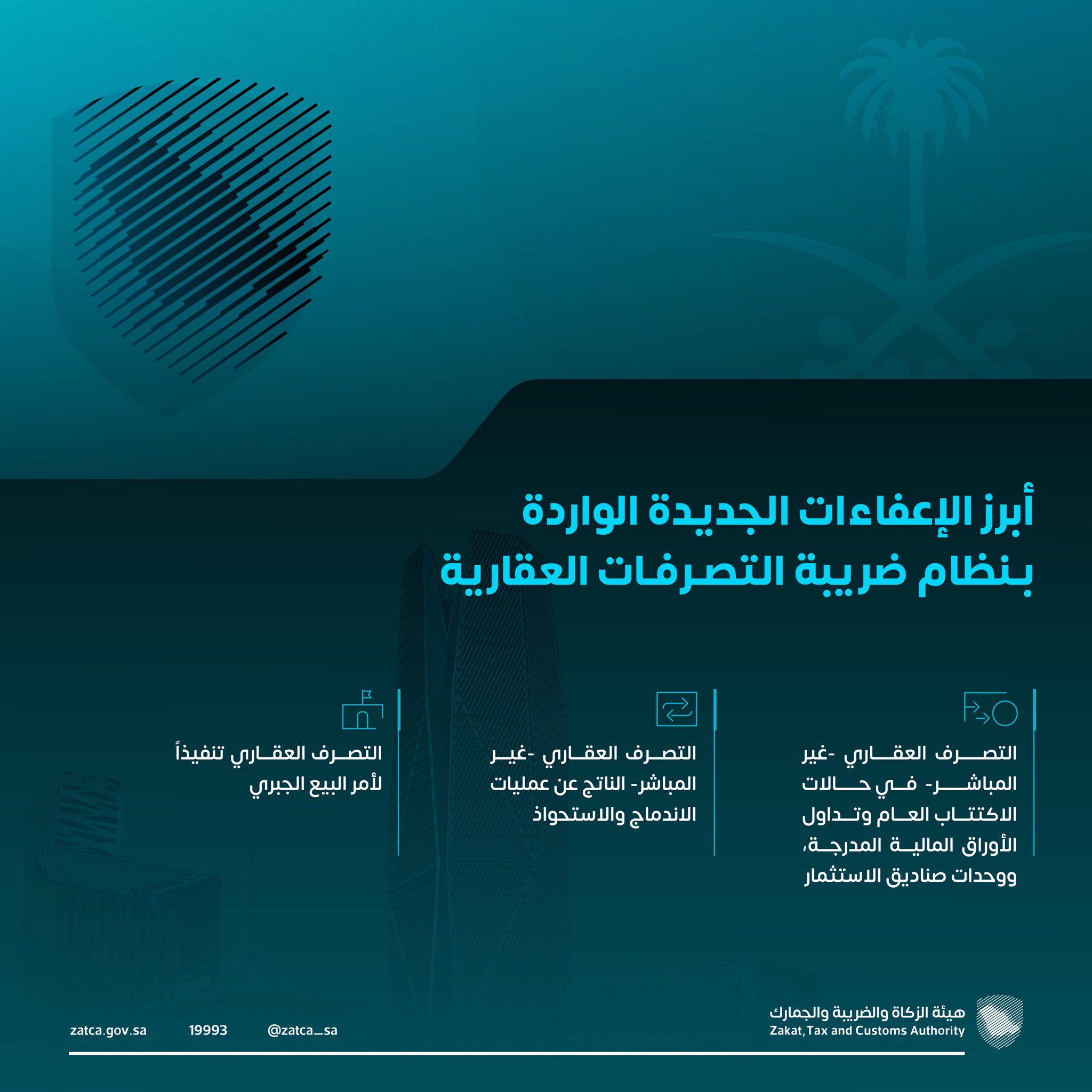
Easing financial burdens
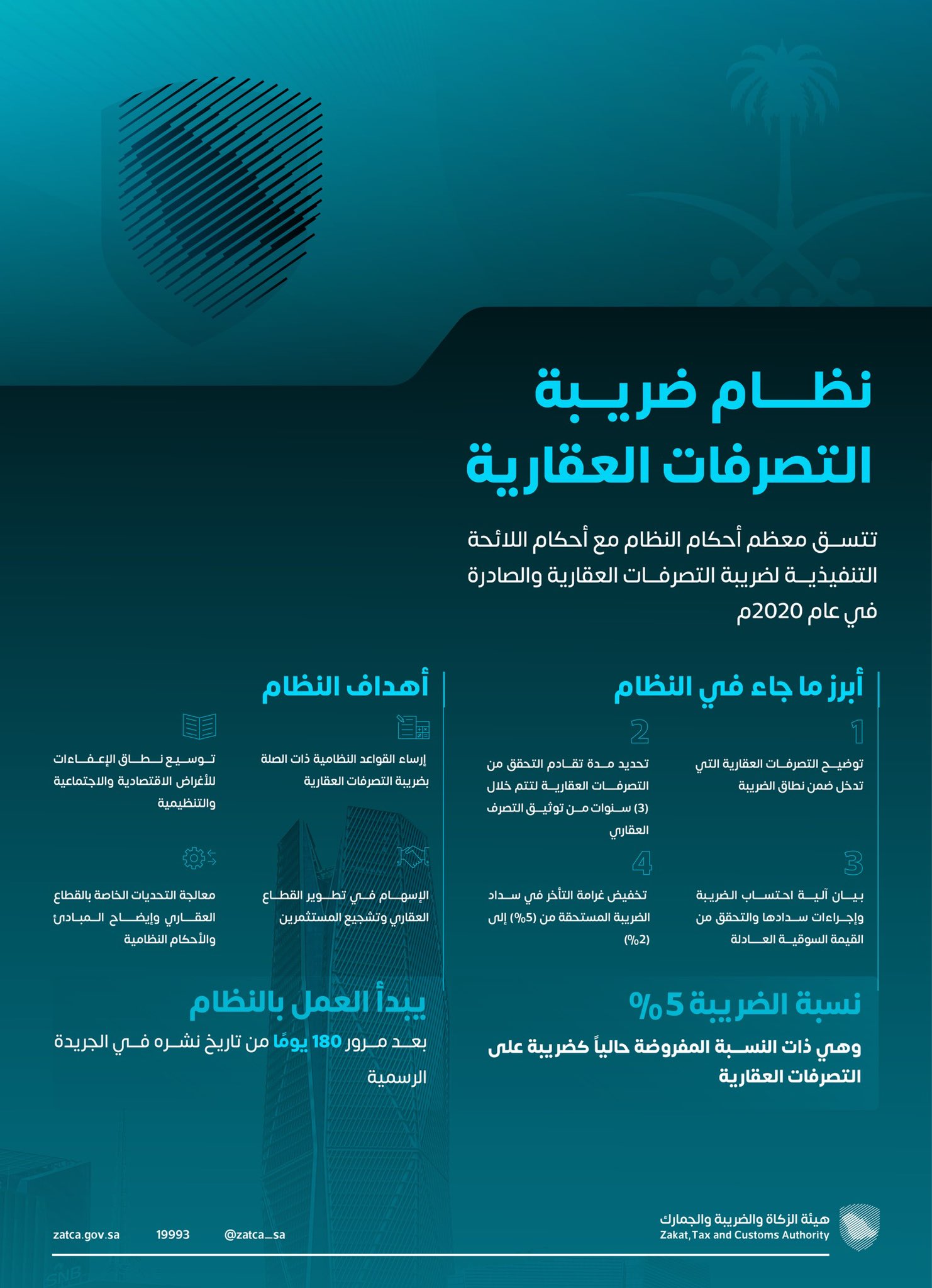
One of the most notable benefits of tax exemptions for the real estate market is the easing of financial burdens on developers and investors. Previously, the real estate transaction tax represented an additional cost to the buying and selling process, impacting profit margins for developers and increasing the cost of real estate units for end buyers.
The Real Estate Tax is one of the main benefits of the tax exemption.
The tax exemptions are not just a fiscal measure, but a strategic move to support real estate developers in the Kingdom. With reduced tax burdens, developers can expand their projects without fear of negative impacts on profit margins. This encourages real estate companies to invest in new and diverse projects, whether residential or commercial.
<These exemptions can also contribute to enhancing the competitiveness of Saudi real estate developers in the regional and international arena, providing them with a more attractive and less expensive investment environment. This financial incentive will enable developers to offer better deals to their customers, both in terms of prices and construction quality. With the application of these exemptions.
With the application of these exemptions, developers can direct part of those savings to improve the quality of projects or offer more competitive offers and prices. This will also contribute to reducing financial pressure on investors, which may increase their desire to enter the Saudi real estate market and contribute to expanding the base of residential and commercial projects. With the application of these exemptions, developers can direct part of those savings to improve the quality of projects or provide more competitive offers and prices.
Housing prices are one of the most important factors influencing consumers" purchase decision. With the implementation of tax breaks, this is expected to have a positive impact on real estate prices. This change may be particularly impactful in middle-class-oriented residential projects, where price is one of the deciding factors in the purchase decision. On the other hand, the increase in the price of residential units is expected to have a positive impact on the price of real estate.
<On the other hand, the increase in tax exemptions will encourage developers to expand their projects, which means increasing the supply of real estate in the market. This increase will contribute to meeting the growing demand for housing units in light of the population growth and the major economic transformations that the Kingdom is witnessing. Increased supply may also lead to a greater balance between supply and demand, helping to stabilize prices and avoid unjustified price inflation.
In parallel with easing the financial burdens on developers, tax breaks will contribute to increased demand for real estate. With lower buying and selling costs, investors and end buyers may find greater incentive to invest in the Saudi real estate market. This rise in demand will incentivize developers to increase the production of new real estate units, which in turn will revitalize the construction sector.
<Moreover, tax exemptions are likely to contribute to attracting foreign investments to the Saudi real estate market, especially under the strategic vision 2030 that aims to diversify the national economy and increase foreign investments. The exemptions give international investors more confidence to invest in long-term real estate projects, without worrying about heavy taxes that may affect their returns. The exemptions give international investors more confidence to invest in long-term real estate projects, without worrying about heavy taxes that may affect their returns.
Tax breaks are also expected to increase liquidity in the real estate market, as the sector will see more buying and selling as a result of lower costs. Increased liquidity means more opportunities for investors and developers to enter into new real estate deals, boosting economic activity and pushing the sector towards further growth. The tax breaks are also expected to contribute to increased liquidity in the real estate market, as the sector will see more buying and selling as a result of lower costs.
Increased liquidity will also improve the ability to finance new real estate projects, whether by banks or individual investors, thereby enhancing the sector's chances of sustainable development. Also, increased liquidity will improve the ability to finance new real estate projects, whether by banks or individual investors, thereby enhancing the sector's chances of sustainable development.
The exemptions in Saudi Arabia's real estate transaction tax system represent an important step towards boosting the real estate sector and easing the financial burdens on developers and investors. These exemptions are expected to have positive effects on residential unit prices, real estate supply, and increased demand for real estate. They will also contribute to supporting liquidity and stimulating foreign investments, which will enhance the competitiveness of the Saudi real estate market at the local and regional level.
Housing unit prices and real estate supply
Stimulating demand for real estate
Increased liquidity in the real estate market
Development of the real estate sector