
Cement and concrete prices in Saudi Arabia witnessed a significant decline during October 2024, according to the Bulletin of Average Prices of Goods and Services issued by the Statistics Authority. The decline comes amid a gradual improvement in construction costs, reflecting economic developments that may contribute to boosting real estate activity.
Cement prices fall
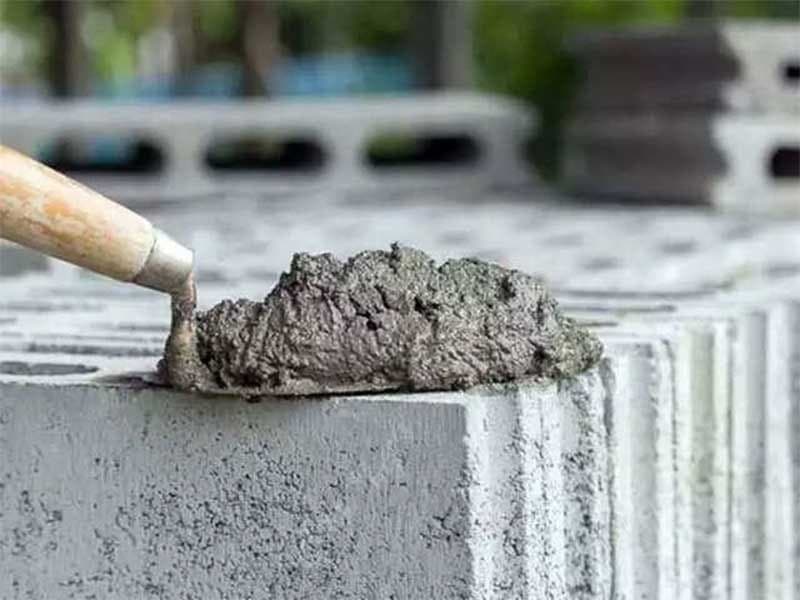
Cement Black (50 kg): Its price decreased by 0.1% to 15.45 riyals.
White cement (50 kg): Recorded a larger decrease of 0.7% to reach 37.72 riyals.
White Cement (50 kg).
Concrete of various types saw price declines on a month-on-month basis:
Resistant concrete 350 K: Decreased by 0.3% to 214.47 riyals per cubic meter.
National Gypsum: Saw the biggest drop by 4.5% to reach 16.07 riyals.
Size 15 cm: The price of a thousand grains amounted to 1662.15 riyals, down 1.2%.
This decline in building materials prices comes at a time when the Kingdom is seeking to achieve Vision 2030's goals of increasing homeownership and reducing construction costs. With prices varying between different materials, the contracting sector may find opportunities to improve profit margins and stimulate new projects, especially with efforts to localize construction-supporting industries. These moves also represent an opportunity for the construction sector to improve profit margins and stimulate new projects, especially with efforts to localize construction-supporting industries.
These movements in the prices of building materials are positive indicators, but they need careful monitoring to see their sustainability and their impact on construction costs and balance in the real estate market.
Concrete of all types declined
250K resistant concrete: Decreased by 0.5% to 195.34 riyals per cubic meter.
Concrete Plain 350K: Decreased by 0.2% to 205.18 riyals per cubic meter.
Concrete Plain 250K: Decreased by 0.1% to reach 187.16 riyals per cubic meter.Gypsum and sand prices varied
White fine sand: Increased by 2.2% to 70.04 riyals per cubic meter.
Blended sand (sand and gravel): Recorded a rise of 2.9% to 49.54 riyals per cubic meter.
Red sand: Increased by 3.1% to reach 32.32 riyals per cubic meter.Black Block Decline
Size 20 cm: The price of a thousand pills decreased to 1708.85 riyals, a decrease of 1.3%.Reflections on the construction sector