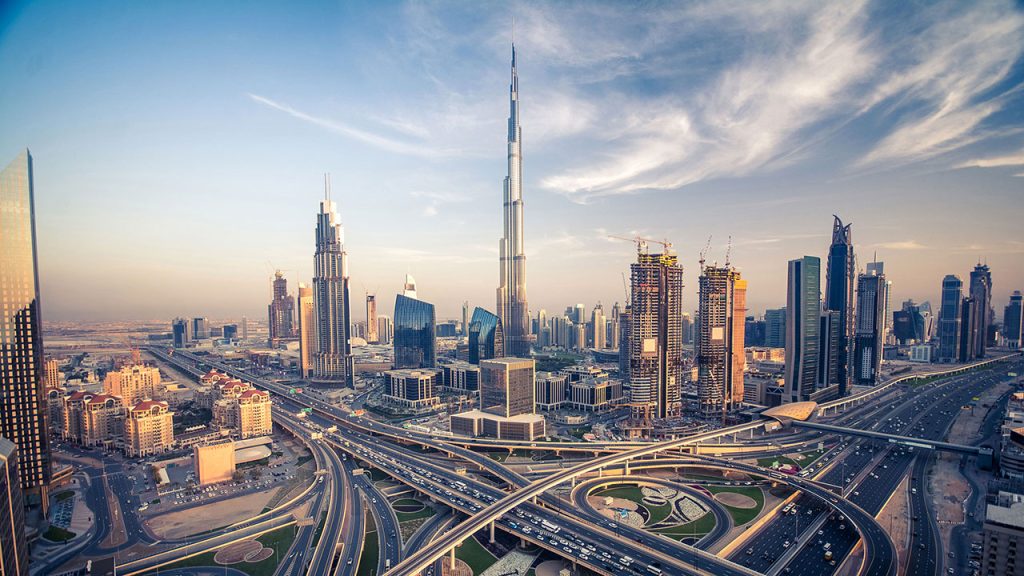

Amid unprecedented demand for homes in Dubai, residential real estate market is experiencing an exceptional boom, driven by rising prices and record-breaking transactions year after year. Despite global risks and local challenges, the emirate appears poised for further growth in the coming years, positioning Dubai at the forefront of global cities as a promising investment destination in the real estate sector.
Unprecedented Rises in Real Estate Prices
Home prices in Dubai have seen an annual increase of 19.9% so far compared to the same period last year, according to the “Residential Real Estate Market Review Residential Real Estate Market Review” published by Knight Frank. The company expects residential property values to rise by an additional 8% through 2025, as strong demand continues to drive the market toward new record highs.
An Exceptional Year for Real Estate Transactions
The number of real estate transactions in Dubai during the third quarter of 2024 reached approximately 47,269, the highest quarterly figure ever recorded, marking a 41.8% increase compared to the same period last year. With a total of 121,978 sales by the end of September 2024, the market surpassed the total number of transactions for all of 2023. The value of transactions during the first nine months of this year exceeded 306.3 billion dirhams, a 36% increase compared to last year, with record sales of 116.8 billion dirhams recorded in the third quarter alone.
Luxury Home Price Growth and Supply Challenges
Faisal Dorani, Head of Research for the Middle East and North Africa at Knight Frank, confirmed that the rise in home prices is the result of a shortage of supply and high demand, as the number of properties listed for sale fell by 30% year-over-year. He added that Dubai’s primary market saw a 4.3% price increase during the third quarter, with luxury homes continuing to see record demand that has tripled over the past 18 months.
The market is expected to face a shortage of villas, with only 8,900 new villas set to be delivered by the end of 2024 and an additional 19,700 by the end of 2025. Knight Frank estimates that Dubai will need to provide between 37,600 and 87,700 homes annually to accommodate projected population growth through 2040, reflecting the significant challenges in meeting future demand.
Risks Facing the Real Estate Market
Despite the positive outlook for price growth, the report identified three key risks:
Global economic slowdown: Any slowdown in the global economy could lead to reduced population growth and increased market challenges.
Oil price volatility: Although the UAE has successfully reduced its financial dependence on oil, falling oil prices could weaken government spending plans and slow the pace of growth.
Regional competition: Other Gulf cities are seeking to develop their economies, but Dubai’s position as a logistics, tourism, and commercial hub remains unthreatened at present.
2025 Outlook and Continued Leadership
Knight Frank expects Dubai’s real estate market to experience a slight slowdown in price growth through 2025, with an expected increase of 8% in the overall market and 5% in the luxury segment. Upscale areas such as Palm Jumeirah and the Jumeirah Islands have continued to outperform, with luxury villa values doubling compared to 2014 levels.
Knight Frank’s analysis showed that the number of homes valued at over $1 million rose from 6.3% of total sales in 2020 to 18.1% in 2024, reflecting an unprecedented increase in the concentration of real estate wealth in Dubai. The report noted that the total value of homes sold in Dubai since 2002 has reached 1.47 trillion dirhams, an increase of 221% since 2020.