
With increasing attention to sustainability and safety in construction, technological innovations in the glass industry are emerging as one of the leading solutions. Among these innovations, shatter-resistant insulated glass is the most in-demand option and is expected to play a pivotal role in the construction of future buildings. But is this type of glass really the ideal choice for modern architecture? Does it offer real benefits that outweigh its costs? In this report, we dive into the world of insulated and shatterproof glass to discover its effectiveness, benefits, and challenges in various applications.
In this report, we dive into the world of insulated and shatterproof glass to find out how effective it is, its benefits, and the challenges of using it in various applications.
First: What is insulated and shatterproof glass? How does insulated glass work? It helps maintain stable temperatures inside buildings, which contributes to reducing the use of air conditioning and heating systems, thereby reducing energy consumption. In addition, insulated glass provides higher levels of comfort by minimizing external noise.
Shatter-resistant glass: II: Advantages of Shatterproof Insulated Glass
Excellent sound insulation: Insulated glass reduces noise from outside, making it ideal for buildings located in busy areas or near noise sources, such as highways and commercial areas. Improve the aesthetic appearance of buildings: Shatter-resistant, insulated glass can add a touch of luxury and aesthetics to a building's design. Thanks to its transparency and manufacturing flexibility, it can be used in innovative architectural configurations, both for facades and windows.
III: Challenges and Limitations Challenges and Limitations.
High cost: One of the main barriers to the popularization of shatter-resistant insulated glass is its high cost compared to traditional glass. Its manufacture requires advanced processes and sometimes additional materials, raising the cost of production and installation. Therefore, it may be the most expensive option for some projects, especially in low-cost construction situations. Maintenance issues: Although insulated glass offers many benefits, over time it may experience moisture buildup between the layers if the insulation seal is damaged, affecting its insulating efficiency. Shatter-resistant glass may also require regular maintenance to ensure it maintains its quality and impact resistance.
Fourth: The Future of Insulated and Shatterproof Glass
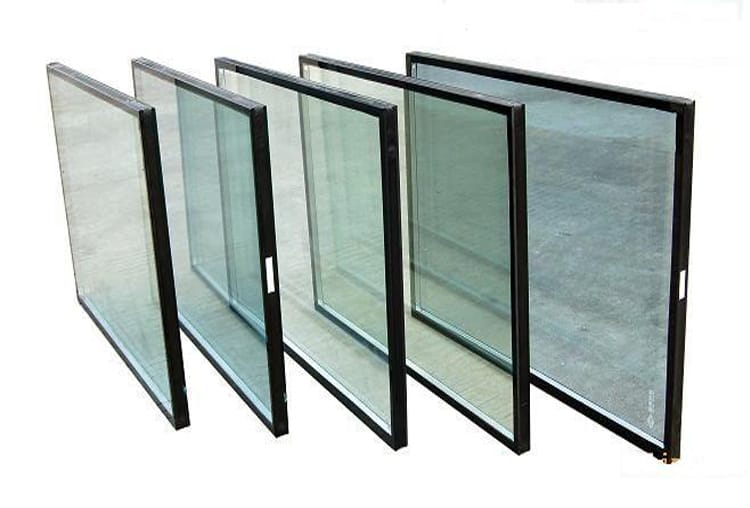
Insulated glass is a type of glass consisting of two or more layers of glass separated by a layer of gas (often argon or air), which is mainly used to improve the thermal and acoustic insulation of buildings. Shatter-resistant glass is a type of glass that is manufactured using special techniques that make it difficult to shatter or break when exposed to shocks or extreme conditions.
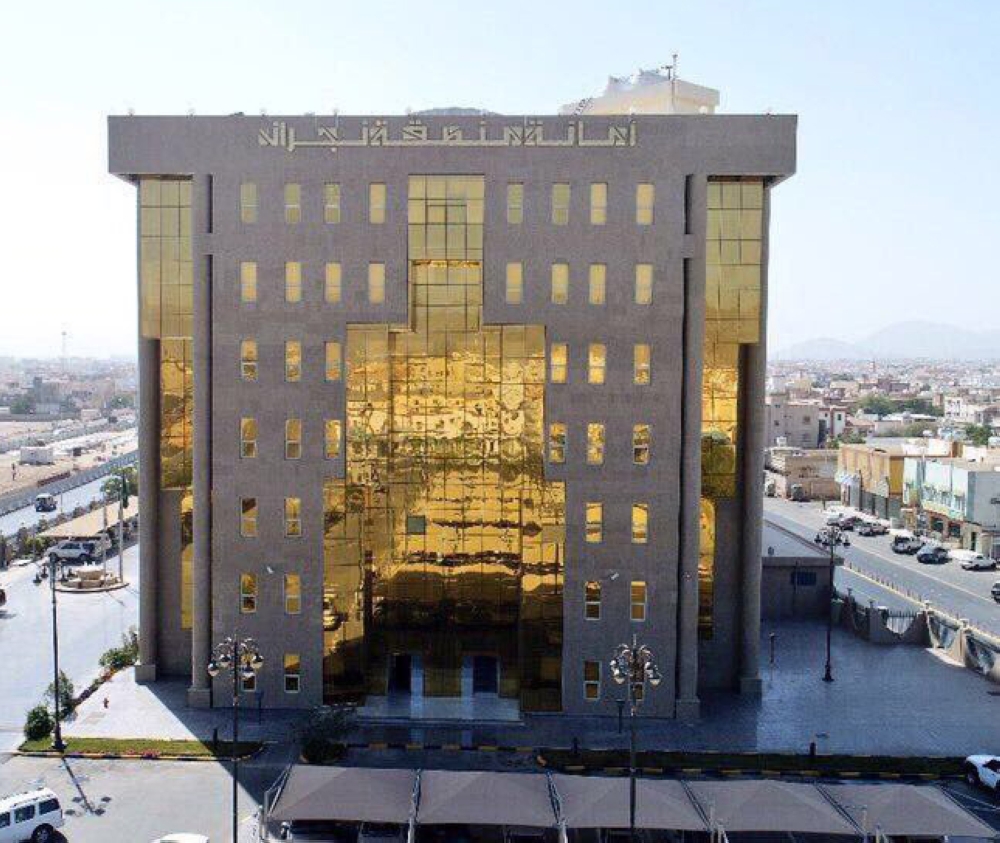
Shatter-resistant glass has a special composition of glass that is heat-treated or using additional materials such as strong plastic films. This formula makes the glass less likely to shatter, increasing the safety of buildings and facilities. It is also used where additional protection from threats is needed, such as glass for glass facades in banks or government buildings.
Improved Energy Efficiency: Insulated glass is one of the most prominent solutions to reduce energy consumption in buildings. By providing effective thermal insulation, insulated glass can significantly reduce energy bills, enhancing the sustainability of buildings and supporting recent environmental trends towards reducing the carbon footprint.
Safety and security with shatter-resistant glass: Shatter-resistant glass greatly enhances the safety of buildings. If subjected to strong shocks, the glass does not shatter into small pieces as with traditional glass, minimizing the risk of injuries. It is also an ideal choice for glass facades that may be vulnerable to vandalism or theft.
Environmental Sustainability: As part of the global trend towards sustainability, shatter-resistant, insulated glass is an environmentally friendly option due to its energy efficiency and reduced harmful emissions. It can also be easily recycled, helping to conserve natural resources.
Despite the many advantages of insulated and shatterproof glass, it is not without some challenges and limitations that may affect its widespread adoption in the future:
Heavy Weight: Insulated glass, especially if it is double or triple layered, can be heavy in weight requiring additional support in the building's structural structure. This increase in weight may affect the building's design and overall cost.
Technical Challenges in Manufacturing: Manufacturing shatter-resistant insulated glass requires advanced technologies and specialized materials that may not be readily available in all markets, limiting the availability and affordability of this type of glass in some countries.
With the growing trend towards sustainability and innovation in the construction sector, insulated and shatterproof glass looks set to play a pivotal role in the future. With its environmental and practical advantages, it is expected to continue to evolve and become more efficient and less expensive as technology advances. In the near future, we may see this type of glass become the primary choice in most buildings, both commercial and residential, thanks to the benefits it offers in the areas of thermal and acoustic insulation, as well as improved safety and comfort inside buildings.