While the pace of social and demographic transformations within Saudi society is accelerating, the “Saudi Family Statistics 2024” report revealed issued by the General Authority for Statistics, reveals a family landscape characterized by diversity and change, ranging from housing pattern, to family size, composition, and characteristics of heads of households.
The report provides an accurate and in-depth picture of the composition of Saudi households, based on the latest information on family size, composition, and characteristics of heads of households. The report provides an accurate and in-depth picture of the composition of Saudi households, based on the latest data from the Saudi Census 2022, as well as the results of a number of periodic statistical surveys, to be a scientific reference that reflects the socio-economic characteristics of the population and supports decision makers in formulating social and housing policies.
The report provides an accurate and in-depth picture of the composition of Saudi households.
Housing: Apartments lead. Villas in second place
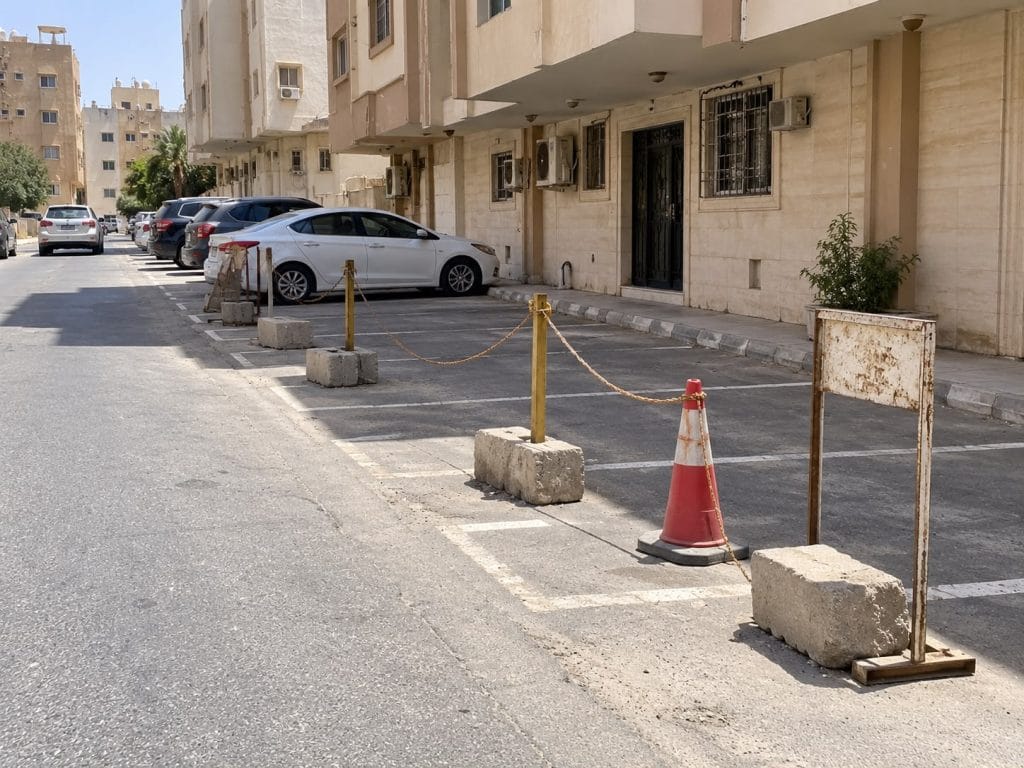
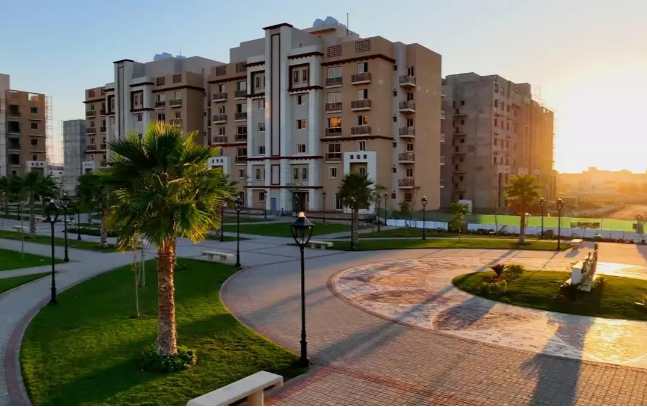
<According to the report, 44.9% of Saudi households live in apartments, while 31% live in villas, reflecting a remarkable shift in housing pattern, especially in major cities that are witnessing an increase in population density and land prices.The report's findings reflect a significant shift in housing pattern, especially in major cities that are witnessing an increase in population density and land prices. <The report also highlighted the correlation between housing pattern and family composition, with single households tending to live in apartments at 55.8%, while only 16.2% live in villas. Multiple households were distributed between apartments at 43.4% and villas at 33.3%, reflecting the influence of the number of individuals on the choice of housing type.
Villas.
Family Composition: Nuclear outperforms, extended outperforms
In terms of family structure, the report shows that Saudi households constitute about 51% of the total number of households in the Kingdom, dominated by households with two or more members (86%), while single households account for only 14%.
In terms of family structure, the report shows that Saudi households constitute about 51% of the total number of households in the Kingdom. In terms of structural classification, the report showed that 70% of multiple households are considered nuclear households, while only 16% fall into the categories of compound and extended households, reflecting a gradual decline of the traditional extended pattern in favor of the small family.
Younger population, smaller households
The data revealed that the Saudi population has a young age structure, with an average age of 26.6 years and a median age of 23.5 years. More importantly, about 71% of the Saudi population is under the age of 35, a percentage that reinforces the presence of young energies in society and indicates future trends related to education, the labor market, and housing.
The data revealed that the Saudi population has a young age structure, with an average age of 26.6 years and a median age of 23.5 years.
In terms of the average size of a Saudi household, it reached about five members, while the highest proportions were recorded in households consisting of six members (13.5%) and those consisting of four or five members (12.8%).
Who is the head of the household? Males dominate, females attend
Highlighting social shifts, the report showed that males still make up the largest proportion of household heads in Saudi Arabia with 83.1%, while the proportion of females reached 16.9%, reflecting the growing participation of Saudi women in managing household affairs.The 35-39 age group was the highest among male heads of households with 17.6%, while the 30-34 age group was the most prominent for females with 14.3%, indicating an increasing role for women in forming independent households at a relatively young age.
A tool for understanding social change and policymaking
The Saudi Household Statistics 2024 report is one of the most prominent tools that enhances the understanding of the demographic and social characteristics of households, through a set of indicators that cover the age group (15 years and above). Its results are expected to support government policies in the fields of housing, education, health, and employment, in line with the goals of Saudi Vision 2030. With the ongoing shift in housing and family formation patterns, Saudi society seems to be moving steadily towards further modernization, while maintaining its social identity, in a scene that requires flexible policies that respond to the reality of the new Saudi family.
The results are expected to support government policies in the fields of housing, education, health, and employment, in line with the objectives of the Saudi Vision 2030.