Mixed-use developments: Toward more vibrant and sustainable cities
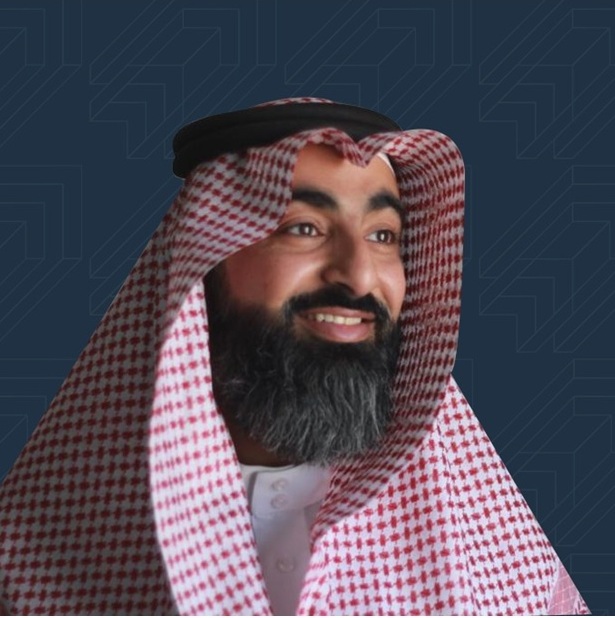
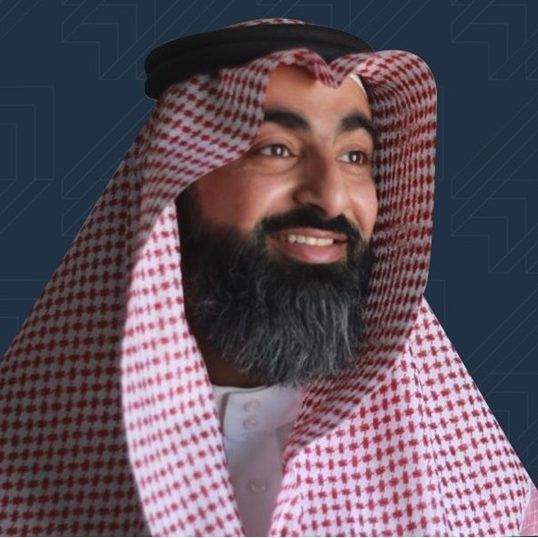
Architect Dr. Hisham Al-Qasim
The Saudi real estate scene is witnessing a qualitative shift in development philosophy, where real estate projects are no longer designed and implemented based on a single function only, but mixed-use projects are receiving increasing attention, both from developers and from regulators and end users.
Mixed-use projects are becoming increasingly important, both from developers and from regulators and end users. <The basic idea of these projects is to integrate residential, commercial, office, and sometimes recreational and service uses within a single urban scale, and this trend is seen as an effective tool to achieve a range of vital objectives: Increasing land use efficiency, reducing the need for commuting, revitalizing urban life, and creating more interactive and inclusive environments.
Economically. <Economically, mixed-use projects are an attractive opportunity for investment, as the income streams are distributed and diversified, increasing the project's resilience to market fluctuations. They also provide added value to the city and society by creating vibrant urban centers that attract residents, visitors, and investors.
Some mixed-use developments are beginning to take off. Some successful models of this trend are beginning to emerge within the Kingdom, whether in government-supported megaprojects or through private sector initiatives in major cities. These models offer promising indicators, especially when combined with smart urban planning, flexible operational management, and true integration of digital and service infrastructure.
However, the trend is still in its infancy. However, there are still challenges that need to be dealt with consciously; most notably modernizing real estate classification systems, reconsidering licensing mechanisms, and ensuring the readiness of public facilities to accommodate the mixed-use pattern, without excessive pressure on services or the urban environment.
Moving towards the expansion of these types of projects requires a change in thinking, not only at the level of developers, but also at the level of financing agencies, which should develop financing tools that take into account the specificity of these projects and the nature of their complex financial flows.
Building more integrated cities requires a change in thinking. <Building more integrated and resilient cities is no longer a luxury. It is an entitlement that is in line with the national vision, responds to the changing aspirations of the population, and gives the real estate sector a new, more diversified and stable dimension. Mixed-use projects are one of the most prominent keys to this transformation, if they are well planned, implemented and managed in a way that achieves the integration of people, urbanization and economy.
.
Architect and faculty member at King Saud University
@ArchHesham