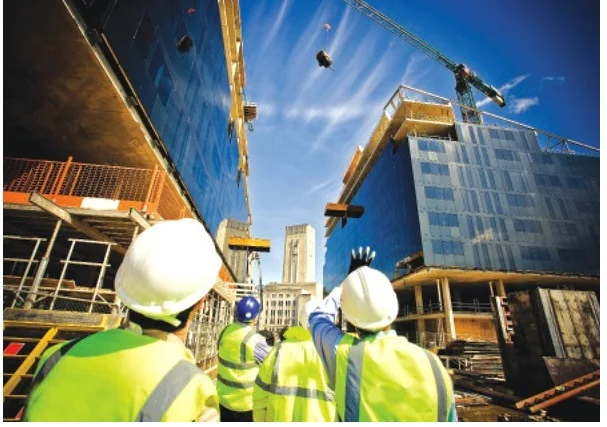

There are strong indications that the Kingdom of Saudi Arabia is moving towards achieving self-sufficiency in some building materials such as cement, but there are still types of building materials for which the largest proportion depends on imports, and this trend comes with the high volume of real estate and construction projects implemented by the Kingdom in various cities.
Kingdom's cement production volume
Cement is classified as one of the most important building materials, and it has about 20 cement production factories, and the Kingdom almost does not import cement, it is self-sufficient in the production of cement, and even exports part of its production, as cement and clinker exports exceeded 8.48 million tons in 2023, and the Kingdom's factories have the ability to increase the volume of their production, which means that there is the possibility of increasing the volume of production if local demand increases, or infrastructure projects are expanded.
According to reports, the situation for steel is different from cement, as Saudi Arabia still imports quantities of steel from abroad, and the imposition of import duties on some building materials encourages their local production.
According to reports, the situation for steel is different from cement.
Challenges to achieving self-sufficiency
The cost of energy and transportation is one of the challenges that hinder the Kingdom to achieve self-sufficiency in building materials, as heavy materials such as cement and iron are strongly affected by the cost of fuel and transportation, and raw materials are one of the obstacles, especially since the production of some building materials requires raw materials that are not available locally in the required efficiency and quality, in addition to the change in local demand affects the ability of factories to utilize their full capacity in production.