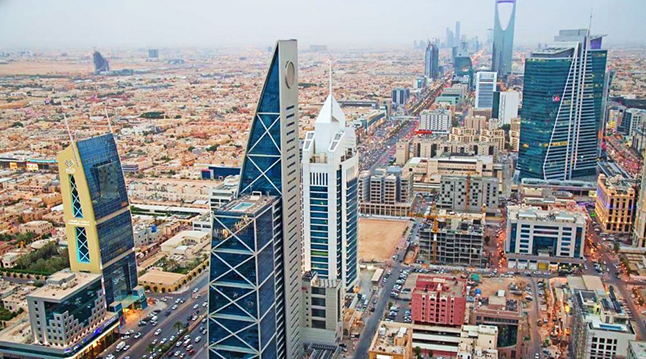

The real estate market in Riyadh is entering a new phase that goes beyond traditional growth to a comprehensive reshaping of the rules of the game, driven by the acceleration of Saudi Vision 2030 programs, shifting development priorities, and expanding investment opportunities across various sectors. This transformation is not limited to the scale of projects but extends to implementation mechanisms and partnership models, reinforcing the capital’s position as one of the most dynamic real estate markets in the region.
JLL confirmed that the real estate market in Riyadh is undergoing a profound structural transformation, driven by accelerating strategic changes, strong momentum in the implementation of Saudi Vision 2030 targets, and a remarkable diversity of investment opportunities across multiple sectors, reflecting the market’s maturity and its ability to accommodate more complex stages of growth.
In a statement, the company explained that the construction sector in the Kingdom continues to demonstrate a high degree of resilience, despite challenges related to the availability of skilled labor, rising construction material costs, and supply chain volatility. It noted that the growing reliance on Building Information Modeling (BIM) has contributed to increased execution efficiency and improved project management, thereby reducing operational risks and enhancing cost control.
JLL indicated that the value of the construction sector in Saudi Arabia reached approximately $100 billion in 2025, with growth expected to continue at an annual rate of 5.41% through 2029, driven by the momentum of major projects and the expansion of government and private investments.
Regarding implementation costs, the company projected that the average annual inflation rate for tender prices would range from a 21% increase to a 21% decrease, emphasizing that this range reflects the importance of proactive cost management as a critical factor in maintaining financial performance efficiency and ensuring project sustainability.
It affirmed that the outlook for the real estate market in Riyadh remains positive, supported by a range of major catalysts, most notably hosting Expo 2030, organizing the 2034 FIFA World Cup, and the development of King Salman International Airport, alongside a package of legislative reforms and the growing partnerships between the Public Investment Fund and the private sector—factors that enhance the market’s appeal to local and international investors.
For his part, Saud Al-Suleimani, Regional Director and Head of Capital Markets at JLL in Saudi Arabia, that Riyadh is leading the charge in realizing Saudi Vision 2030, capitalizing on the unprecedented opportunities available to investors and developers, amid an ongoing government approach to updating national priorities, ensuring strategic alignment among projects and strengthening cooperation with the private sector.
Al-Suleimani added that regulatory reforms, such as the implementation of vacant land fees and the decision to freeze rent increases, aim to consolidate stability in the real estate market, which will gradually lead to a greater focus on developing high-quality assets. He noted that this shift, coupled with changes in construction cost dynamics in certain sectors, is helping to reshape the real estate market in Riyadh and paving the way for a more mature and selective phase of investment and development.