
What is waterproofing?
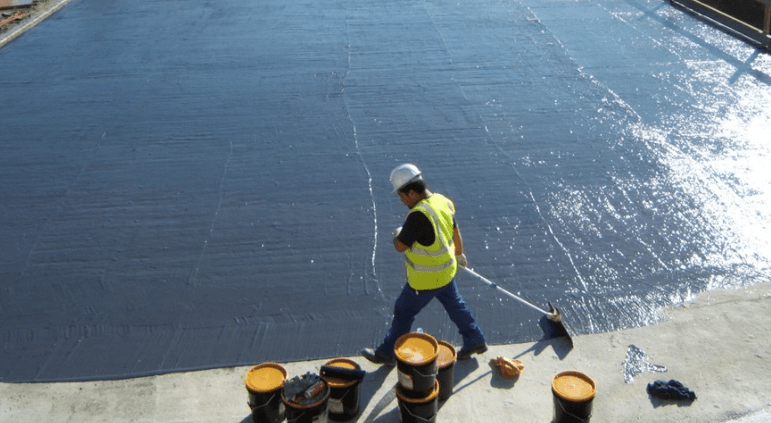
Waterproofing is a system or technology that aims to prevent water and moisture from seeping into buildings, whether through roofs, walls, foundations, or even floors. Waterproofing is carried out using different materials and insulation such as bituminous coatings, polymer membranes, waterproofing chemicals, and insulating paints.
The importance of waterproofing in protecting buildings Types of waterproofing Steps to properly implement waterproofing
Important tips to maintain the effectiveness of waterproofing
Protecting the structural structure: Water intrusion into concrete and steel structures leads to corrosion and weakness, threatening the integrity of the building.
Prevent mold and fungus formation: Excessive moisture provides a fertile environment for the growth of fungus and mold that harm health and cause bad odor.
Preserve the interior and exterior appearance: Moisture causes paint to peel and damp spots to appear on walls, affecting the beauty and value of the building.
Reduce energy consumption: Good insulation prevents moisture and heat from escaping, reducing heating and cooling costs.
Extend the life of the building: Preventing water and moisture means less costly maintenance and renovation.
Bituminous insulation: One of the most popular types of insulation, widely used for roofs and foundations, characterized by its flexibility and ability to withstand climatic fluctuations.
Polymeric membrane insulation: Materials made of plastic, easy to install and resistant to UV rays.
Insulation with insulation coatings: Liquid materials that are painted on surfaces and form a waterproof layer, suitable for interior surfaces and walls.
Insulation with electrical cables and pipes: The use of moisture-resistant materials during the installation of electrical and sanitary networks.
Initial assessment: Careful inspection of roofs, walls and foundations to identify leakage sources and moisture areas.
Surface Preparation: Clean the surface of impurities and dust and ensure it is completely dry before application.
Selecting the right material: Depending on the type of building and the degree of exposure to water and moisture: Adhere to the manufacturers' instructions and the materials used, taking care to cover all areas completely.
Inspection and testing: After implementation, conduct a leak test to ensure that the insulation is successful and there are no weak points.
Pay attention to regular maintenance: Inspect the insulation on a regular basis especially after rainy seasons, and address any cracks or damage immediately.
Use high-quality materials: Don't skimp on insulation because it's the real investment in protecting the building.
Provide good drainage: Design an effective drainage system around the building to minimize water pooling: Ensure that insulation is carried out by professional technicians to avoid mistakes that reduce the effectiveness of insulation.
Commitment to modern technologies: Follow the latest developments in the field of insulation and use smart solutions that provide additional protection.