
In a matter of seconds, a simple smoke can turn into a devastating fire that threatens lives and property. While people are busy with their daily chores, a small device on the ceiling is doing a great job: A smoke detector. This little-known device is the first line of defense against fires in residential, commercial and industrial buildings, and can make the difference between survival and danger.
In this extensive report, we review the concept of smoke detector, its types, how it works, its importance in buildings, its installation requirements, and its role in minimizing human and material losses.
What is a smoke detector?
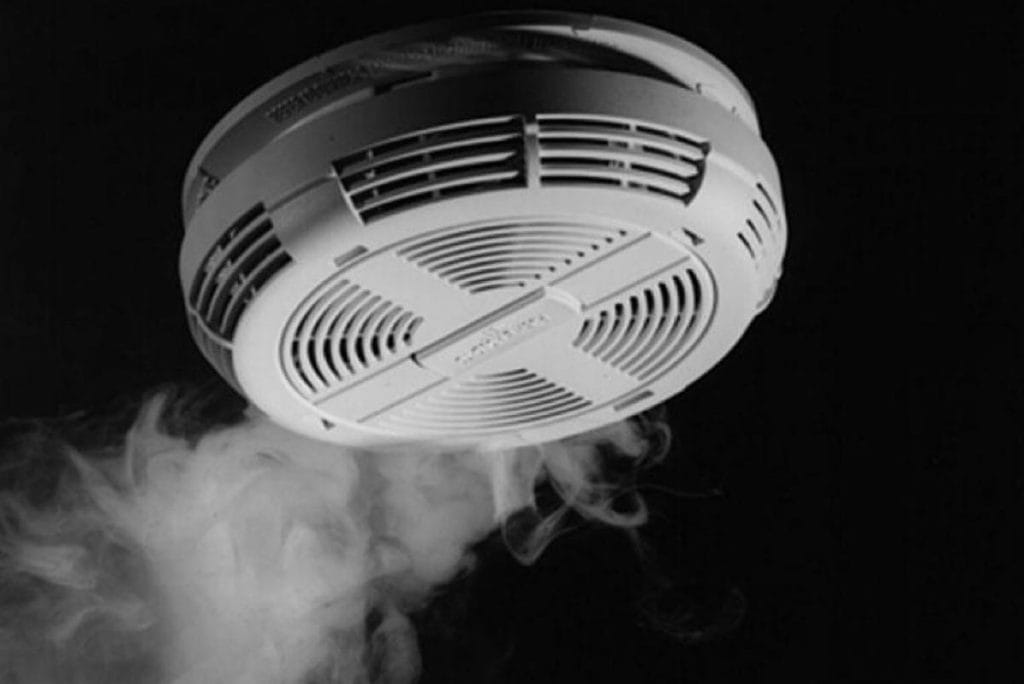
A smoke detector is an electronic device designed to detect the presence of smoke in the air as an early indication of a possible fire, and then sound an audible alarm or send a signal to centralized fire alarm systems. Its primary objective is to provide early warning before a fire escalates to an uncontrollable stage.
Smoke detectors are designed to detect the presence of smoke in the air as an early indication of a possible fire.
Why is a smoke detector an essential element in buildings? Smoke detectors can save lives by providing early warning and allowing sufficient time for evacuation.
Minimize material losses through quick intervention.
Raise the level of safety in residential and commercial buildings.
Compliance with the statutory requirements of building and safety codes.
Smoke detectors are an essential element in buildings.
Types of smoke detectors in buildings
Smoke Detector in Residential Buildings Smoke detectors in residential buildings Smoke detectors in commercial and industrial buildings Smoke detectors in commercial and industrial buildings Regular maintenance...a prerequisite for readiness Regular maintenance...a prerequisite for readiness Smoke detector's role in reducing losses Smoke detector's role in reducing losses
Smoke detectors vary according to the sensing technology and the nature of use, most notably:
Depends on a light beam, and when smoke enters the sensing chamber the light is scattered and the alarm is triggered.
Features:
Effective in detecting slow fires.
Less prone to false alarms.
Uses a weak radioactive substance to generate an electric current, and when smoke enters, the current decreases and triggers the alarm
Features:
Quick to respond to fast-burning fires.
Combines optical and ionic technologies.
Features:
Highest accuracy and best coverage for different types of fires.
Used in large buildings, connected to a main control panel and automatic sprinkler and extinguishing systems.
Smoke detector working mechanism
The detection process starts when smoke particles enter the sensing chamber inside the device. Depending on the type of detector:
Light is scattered or electric current is affected and when a certain level of smoke is exceeded, the device triggers a loud audible alarm and may send an immediate signal to:
Fire alarm panel
Decentralized firefighting systems Monitoring and security
Where to install smoke detectors in buildings
Correct installation is as important as the quality of the device, and usually includes:
Ceilings in corridors and rooms.
Near bedrooms in apartment buildings.
On every floor of the building.
Inside offices and common areas.
Directly away from kitchens to minimize false alarms.
In homes and apartments, a smoke detector is an essential safety item, especially during sleep. Safety studies show that a properly functioning smoke detector significantly reduces the risk of death by fire, especially when combined with a clear evacuation plan for the family.
.
In offices, malls, hotels, and factories, smoke detectors are doubly important due to:
High human density.
Presence of electrical equipment and flammable materials.
The need for alarm systems integrated with automatic extinguishers.
In offices, malls, hotels, and factories, smoke detectors are doubly important because:
High human density.
A smoke detector is only effective if it works efficiently, so you should:
Test the device periodically.
Change the batteries regularly.
Clean the sensing holes from dust.
Replace the device after the manufacturer's specified lifespan.
Smoke detector's role is not only to sound an alarm, but also to:
Reduce fire response time.
Protect lives before property.
Support civil defense efforts and safety systems.
Promote a culture of prevention rather than cure.