
Allowing non-Saudis to own real estate in the Kingdom of Saudi Arabia is one of the most significant transformations the real estate sector is undergoing, not only because it opens new doors for investment, but also because it reflects an evolution in the economic and regulatory environment in line with the objectives of Saudi Vision 2030, which aims to make the Kingdom a global destination for investment, living, and working.
But the question many are asking is: Will this decision lead to a rise in real estate prices, or will it create new opportunities for growth and balance?
The answer is not that simple, as the new system does not grant absolute ownership rights, but rather establishes a clear regulatory framework that defines the areas where ownership is permitted, the conditions for ownership, and the controls that ensure a balance between attracting investment and protecting the local market from unregulated speculation.
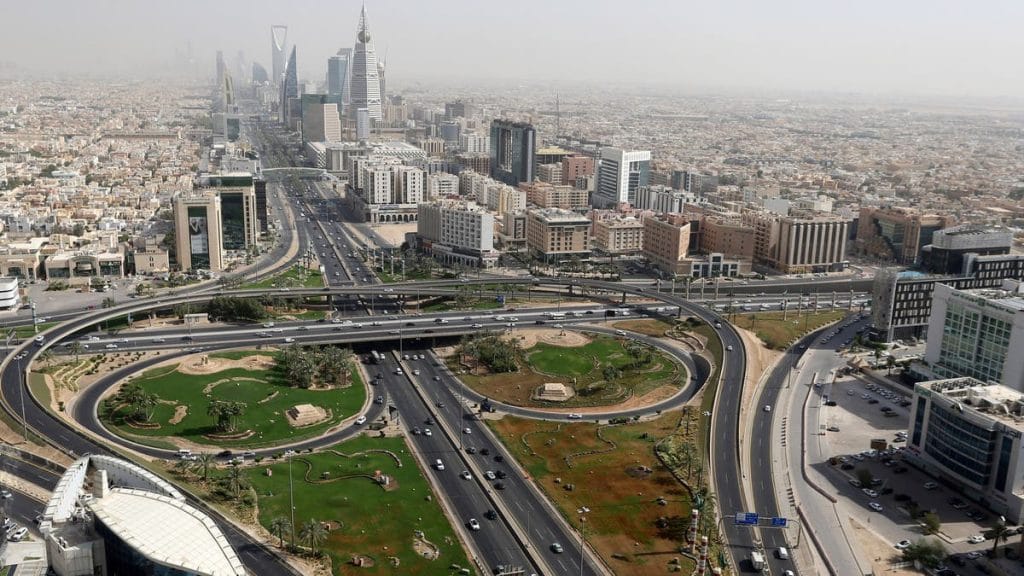
From an economic perspective, the entry of new investors into the market means increased demand for certain types of real estate assets, especially in major cities and high-end projects targeting international investors. This can also help improve the quality of real estate products, as developers will be more eager to deliver projects that meet international standards and cater to the needs of diverse groups of buyers and investors.
On the other hand, not all regions or property types are expected to experience the same impact, as residential properties intended for citizens are subject to different factors than investment or commercial properties, and the existence of regulatory controls reduces the likelihood of unjustified price spikes in the market.
Other expected positive effects include an increase in the inflow of foreign capital, stimulating innovation in the real estate sector, creating new job opportunities in the fields of development, design, asset management, and real estate marketing, as well as strengthening the Kingdom’s position as a regional hub for business and investment.
As for investors, the decision opens up new horizons, but it does not replace the need for careful market analysis. The success of real estate investment depends not only on the possibility of ownership but is also linked to choosing the right location, analyzing supply and demand, monitoring government projects, and understanding future growth trends for each city.
Ultimately, it can be said that allowing non-Saudis to own real estate is not merely a legislative change, but a strategic move that may redraw the map of real estate investment in the Kingdom in the coming years. As regulations continue to evolve and the scale of mega-projects increases, the success of this step will depend on the market’s ability to strike a balance between attracting foreign investment, maintaining market stability, and supporting sustainable development—thereby benefiting both investors and the national economy.
@ArchHesham