
The Saudi real estate market during February 2026 witnessed a clear shift in its trends, after sales activity declined sharply against the strong rise of the rental market, in an indicator that reflects the changing behavior of dealers and the preference of a wide segment of individuals and companies to rent instead of owning amid accelerated economic and financial changes.Recent data revealed that the market has not entered a recession as much as it is rearranging its priorities, as liquidity directed to the purchase of real estate assets declined, while it moved to the rental sector, which recorded remarkable growth in terms of contracts and financial values.
More recent data revealed that the market did not enter a recession as much as it rearranged its priorities.
Marked decline in real estate sales transactions
real estate transactions in February recorded a clear annual decline compared to the same period in 2025, as sales activity declined in both the residential and non-residential sectors.<In the residential sector, the number of transactions fell to about 18.3 thousand deals from more than 33.6 thousand a year ago, reflecting a decline of nearly half. Non-residential transactions also fell to about 2.1k, indicating a slowdown in investment and purchase decisions.
Non-residential transactions fell to about 2.1k.
The decline was not limited to the number of transactions, but extended to their financial values, as the value of residential transactions fell to about 14.7 billion riyals after exceeding 33 billion riyals in February last year, while the value of non-residential transactions fell to 9.4 billion riyals. This indicates a state of caution in the market, as buyers preferred to wait to make ownership decisions, especially with the rise in financing costs and changing price expectations.
Changes in property size and transaction values The average value of a residential transaction also decreased slightly to about SAR 760,000, while the average non-residential transaction decreased to about SAR 2.47 million, reflecting relative price pressures in the market.
Rents lead real estate activity Residential rentals rose to 266 thousand contracts, compared to 195 thousand contracts a year ago, while non-residential rentals rose to about 65.6 thousand contracts.
Land is the most declining residential asset
Riyadh leads real estate activity
Riyadh also dominates the rental market Riyadh was the second most active region, with a share of about a quarter, followed by the Eastern Province.
Structural shift in market behavior Rental sector benefits from increased population demand and economic activity, making it the biggest beneficiary at the current stage.
This indicates a state of caution in the market, as buyers preferred to wait to make ownership decisions, especially with high financing costs and changing price expectations.
In terms of trading characteristics, the average area of residential properties traded decreased slightly to about 411 square meters, reflecting a trend towards relatively smaller units. In contrast, the traded areas in the non-residential sector increased significantly, exceeding 42,000 square meters, indicating large quality deals despite their low number.
The average residential transaction value decreased slightly to about SAR 760,000, while the average non-residential transaction decreased to about SAR 2.47 million, reflecting relative price pressures in the market.
In contrast, the rentals market presented a completely different picture, recording strong growth during February, becoming the main driver of real estate activity in the Kingdom.
The number of residential rental contracts rose to more than 266 thousand contracts, compared to about 195 thousand contracts a year ago, and non-residential contracts increased to about 65.6 thousand contracts. This reflects the increased demand for rental housing and commercial spaces.
In terms of deals, the number of residential rental deals exceeded 338 thousand deals with significant growth, while non-residential deals rose to more than 107 thousand deals.
Notably, the financial value of rentals recorded a strong jump, as the value of residential deals rose to about 7 billion riyals, an increase of 85%, while the value of non-residential rentals rose to 5.8 billion riyals, reflecting the transfer of liquidity towards the rental market clearly.
When analyzing the components of the residential market, land came at the forefront of the most declining assets, as the number of transactions decreased to about 10.6 thousand transactions, with its value falling to 7.6 billion riyals, recording the largest decline among various types of real estate.
Sales of apartments declined to about 4.6 thousand transactions worth nearly 3 billion riyals, while villas fell to only 1.3 thousand transactions worth about 2 billion riyals, an indicator of the decline in demand for high-cost units. The declines also included duplexes and residential floors, albeit at a slower pace, reflecting a general slowdown in ownership decisions across different segments.
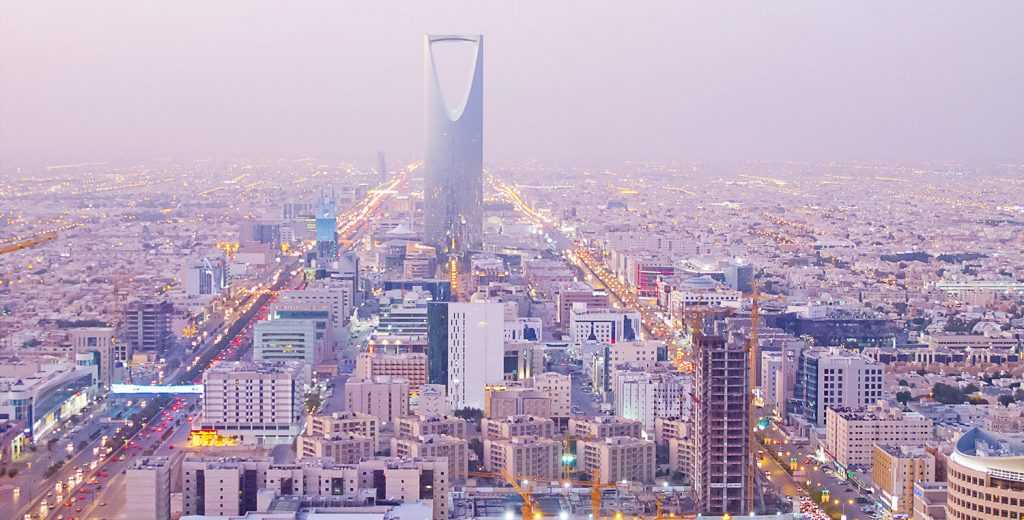
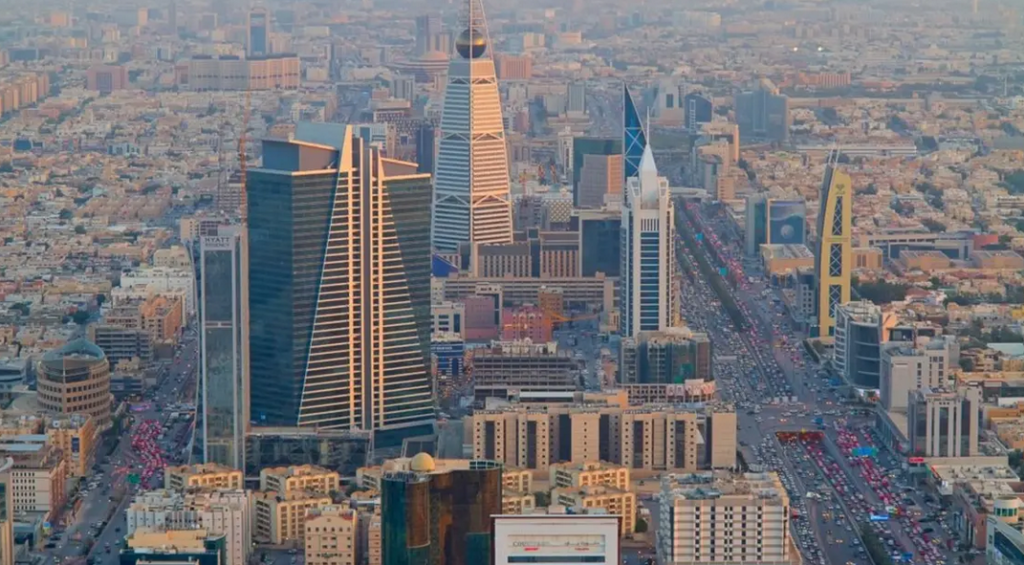
Geographically, the Riyadh region continued to lead the real estate scene in the Kingdom, accounting for nearly half of the value of real estate transactions with a total of more than 11 billion riyals, reflecting the continued attractiveness of the capital as a major center for investment and urban development.The Makkah region came in second with a share of nearly a quarter, followed by the Eastern Province, while five major regions combined accounted for about 91% of the total value of real estate transactions in the Kingdom, confirming the concentration of activity in major cities.
The scene was not much different in the rental market, where Riyadh also retained the first place, attracting about 42% of the total value of rental transactions worth about 5.4 billion riyals, with more than 145 thousand transactions recorded.
Mecca came second with a value of more than 3.3 billion riyals, followed by the Eastern Province with about 1.78 billion riyals, while Medina and Asir recorded remarkable activity but with smaller shares.
The February 2026 indicators reveal a gradual shift in the structure of the Saudi real estate market, as ownership momentum temporarily declines in favor of renting, a trend often associated with real estate market cycles and high financing costs.
The market appears to be in a rebalancing phase, as buyers await economic clarity and prices, while the rental sector benefits from increased population demand and economic activity, making it the biggest beneficiary at the current stage.