
The real estate sector in the Arab Gulf countries continues to record strong performance supported by economic growth, investment flows and major development projects. This week, the markets of Dubai, Oman and Kuwait showed positive signs of growing demand for real estate and expanding investment opportunities, amid expectations that the momentum will continue in the coming period.2026
2026
Dubai records AED 252 billion real estate transactions during the first quarter
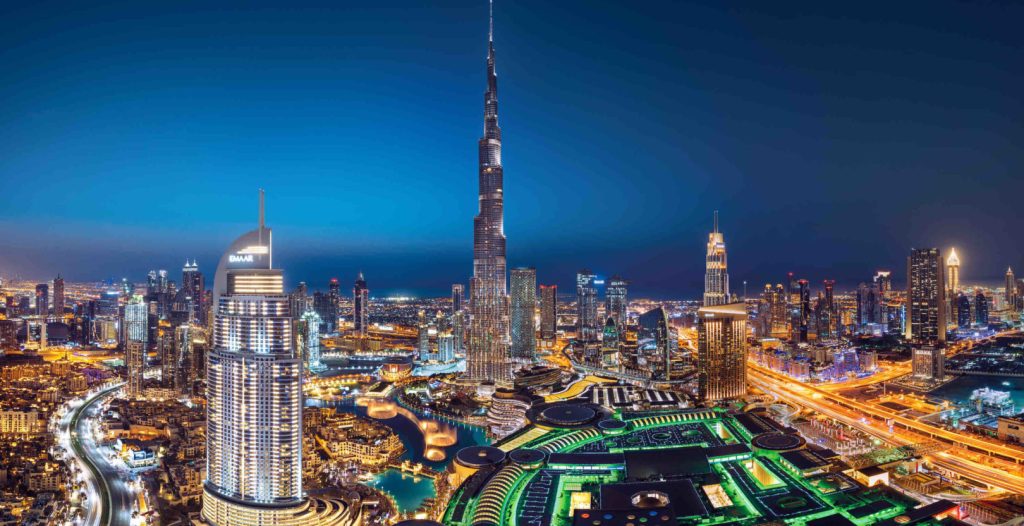
Dubai continued to consolidate its position as one of the most active real estate markets in the world, with real estate transactions during the first quarter of 2026 reaching AED 252 billion, a growth of 31% compared to the same period last year. The emirate also attracted real estate investments worth AED 173 billion through more than 57,000 investment transactions, reflecting the continued attractiveness of the market for local and international investors.
Data released by DLD reflects the continued strong activity in the real estate market, with the total number of real estate transactions reaching 718,160 transactions, of which 60,303 were real estate transactions, a growth of 6% compared to the same period in 2025,
Market data showed that the volume of real estate transactions reached record levels since the beginning of the year, driven by demand for off-plan projects and luxury residential units. Prices in several key areas rose by more than 12% year-on-year, with some reports recording more than AED 176 billion in sales during the first quarter alone.
Despite the continued momentum, analysts warn of potential oversupply pressures in the coming years, requiring a balance between the pace of development and demand levels.
Market data showed that the volume of real estate transactions reached record levels at the beginning of the year, supported by demand for under-construction projects and luxury residential units.
Oman sees 27.1% growth in value of real estate transactions
Oman's real estate sector got off to a strong start in 2026, with the total value of real estate transactions rising by 27.1% year-on-year to OMR235.8 million by the end of January, according to official data. This growth was driven by higher sales and mortgage transactions and improved investor confidence in the local market.
Market reports also indicate that residential real estate prices increased by 19% compared to last year, especially in vital areas and integrated projects that attract local and foreign investors. These indicators support the government's drive to diversify the economy and increase the contribution of non-oil sectors, including real estate and tourism.
Observers expect the new Comprehensive Economic Partnership Agreement between Oman and India to enhance investment flows and create additional opportunities for the real estate sector in the coming period.
Kuwait continues to revitalize the residential market and develop new cities
In Kuwait, the latest data showed a significant improvement in residential real estate activity, as the number of residential transactions during the past week increased by 24%, while their value increased by 32% to reach 36.KD 6 million, reflecting continued demand for private housing despite high financing costs.
The government continues to push its plans to address the growing demand for housing through new city projects, at a time when it is estimated that there are about 100,000 citizens on waiting lists for housing care. The new projects aim to involve the private sector in the development of infrastructure and modern residential areas, supporting the long-term growth of the real estate sector.
Experts believe that the continuation of major housing projects and improved economic activity will boost the performance of the Kuwaiti real estate market during the second half of this year, with increased investment opportunities in the development, construction and related services sectors.