
The Saudi retail market continues to demonstrate its ability to absorb new supply without affecting demand levels, as shopping centers in major cities maintained high occupancy rates during the first half of 2026, supported by consumer spending and brands" selection of the most attractive locations, while developers continue to expand to create higher-quality and more distinctive shopping destinations.
The retail market in Saudi Arabia showed balanced performance during the first half of 2026, with continued demand for retail space in major cities, coinciding with new spaces entering the market, according to a report issued by the consulting firm Knight Frank.
Riyadh led the markets in terms of performance, after the average rents for regional and super-regional shopping centers rose by 1.2% year-over-year to reach 2,650 riyals per square meter, while the occupancy rate stabilized at 91%, reflecting continued strong demand from retailers for prime locations.
In Jeddah, the occupancy rate rose to 88%, despite a slight decline in average rents due to new supply entering the market, while the Dammam metropolitan area recorded the highest occupancy rate among the three cities at 94%, supported by continued demand for retail space in strategic locations.
This performance reflects the market’s ability to absorb the ongoing expansion in supply, with total retail space reaching approximately 4.2 million square meters in Riyadh, 3 million square meters in Jeddah, and 1.4 million square meters in the Dammam metropolitan area—a sign of investors" and developers" confidence in the long-term prospects for consumer spending in the Kingdom.
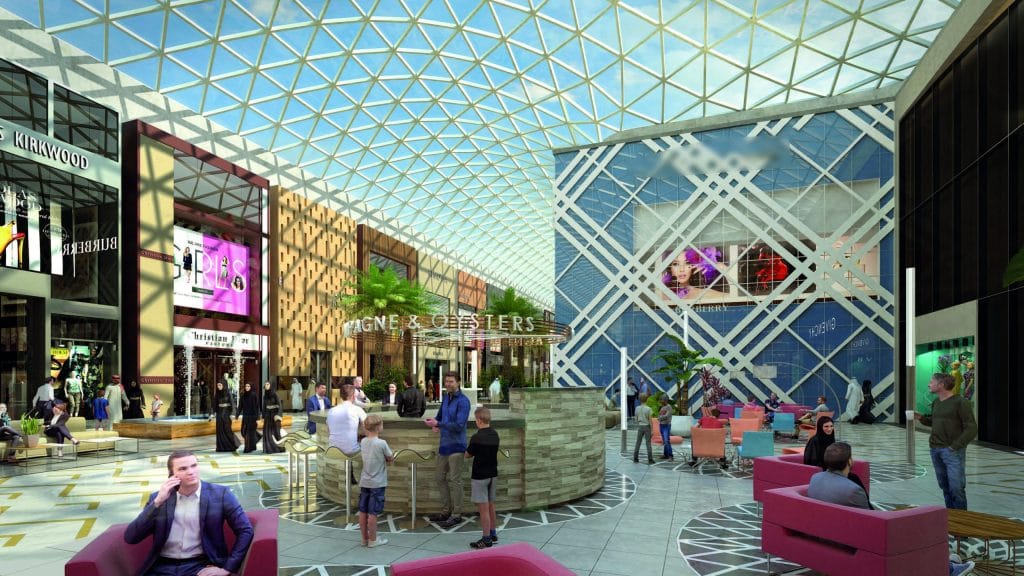
The report noted that increasing market competition is prompting developers to reevaluate their strategies, explaining that they face three main paths: lowering construction quality to keep projects in line with prevailing rent levels, developing high-quality projects that justify higher rents, or investing in integrated commercial destinations that offer a distinctive shopping and entertainment experience, thereby increasing visitor numbers, extending their stay, and boosting tenants" sales.
The report finds that the latter option has become the most effective way to enhance the competitiveness of commercial projects amid expanding supply, as the success of shopping centers increasingly depends on the quality of the experience they offer shoppers, rather than solely on the provision of retail space.