Othman Chliker
For decades, commercial real estate valuation has been based on three key elements: location, square footage, and technical specifications. These factors remain important to this day, but they are no longer sufficient on their own to explain what makes a work environment truly valuable, or why some spaces succeed in attracting people, while others—despite having similar specifications on paper—fail to achieve the same impact.
The reason lies in the fact that the people using these buildings have changed, while the buildings themselves have not kept pace with this change quickly enough. The ways we live, work, and connect have undergone profound transformations, and I believe that the next chapter in our industry’s journey will be shaped not so much by buildings as by human needs and behaviors.
Today, the market rewards better work environments
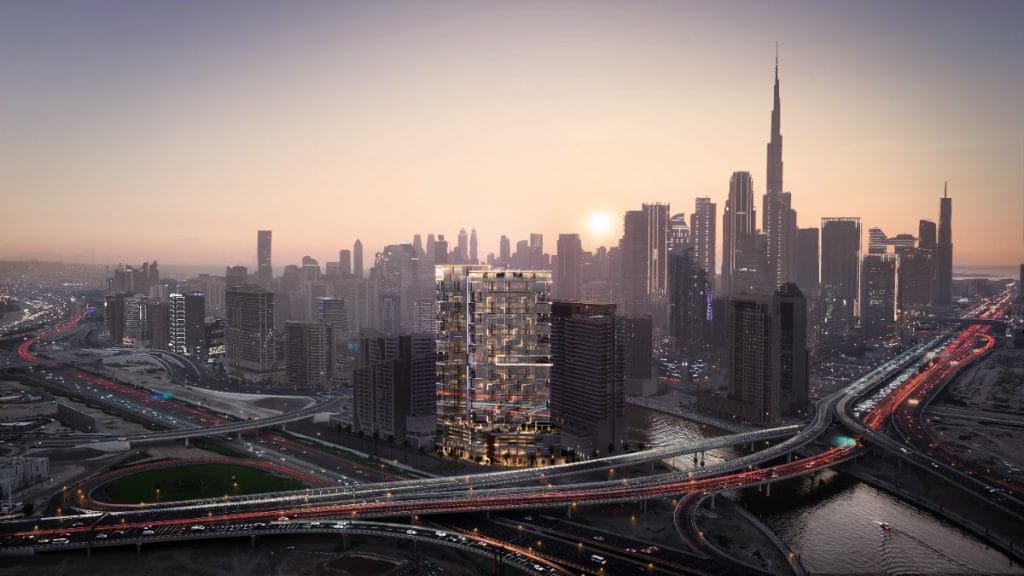
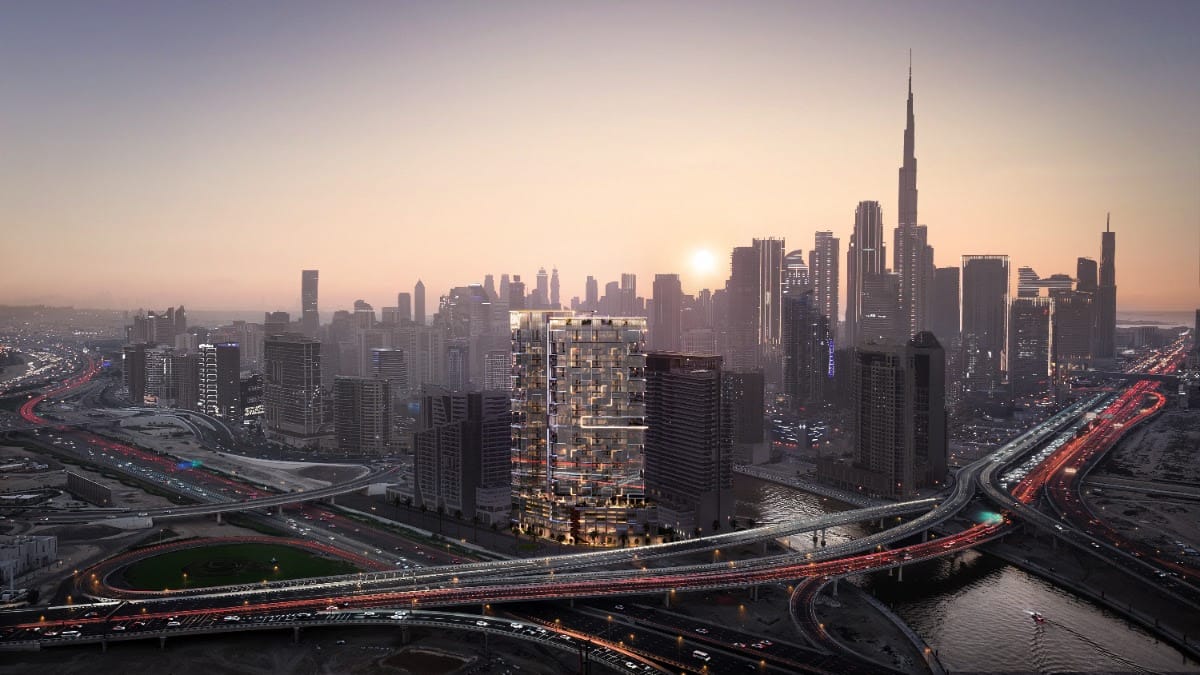
This trend is no longer just a theoretical idea or a vision for the future; it has become a tangible reality clearly evident in one of the world’s most competitive commercial real estate markets: Dubai. The vacancy rate for premium office space during the first quarter of 2026 stood at just 0.7%, while rents for premium office space rose by 17.2% year-over-year, and Class A office rents grew by 19% compared to the same period last year, according to data from ”JLL.”
This trend has been described as a “shift toward quality,” as companies and tenants now prefer work environments that offer a comprehensive experience that goes beyond the traditional concept of an office. These figures send a clear message: demand is no longer focused solely on increasing space, but on improving its quality. With a limited supply of high-quality space and fierce competition among companies to attract employees to work environments they actually want to be in, the experience has become the deciding factor in decision-making.
The office is a destination people choose
This shift in behavior is not limited to Dubai alone; it has become a global phenomenon. The Gensler Global Workplace Survey 2025, which surveyed more than 16,800 office workers in 15 countries, that only 14% of participants prefer the traditional corporate work environment. Today’s employees are seeking spaces that are, at their core, more akin to hospitality experiences than to traditional offices—places that make them feel comfortable, foster connection, and provide a more human and natural environment. Gensler concludes that design is no longer merely an aesthetic element or a backdrop to a space; rather, it has become a key driver of performance and belonging, transforming the workplace into a destination that people choose to go to of their own free will. This word, “destination,” perfectly captures the way we view the workplace today. The question is no longer: How do we build a new office? It has become: "How should people feel when they walk in?"
CEO of Erth Ru’ya Real Estate Group