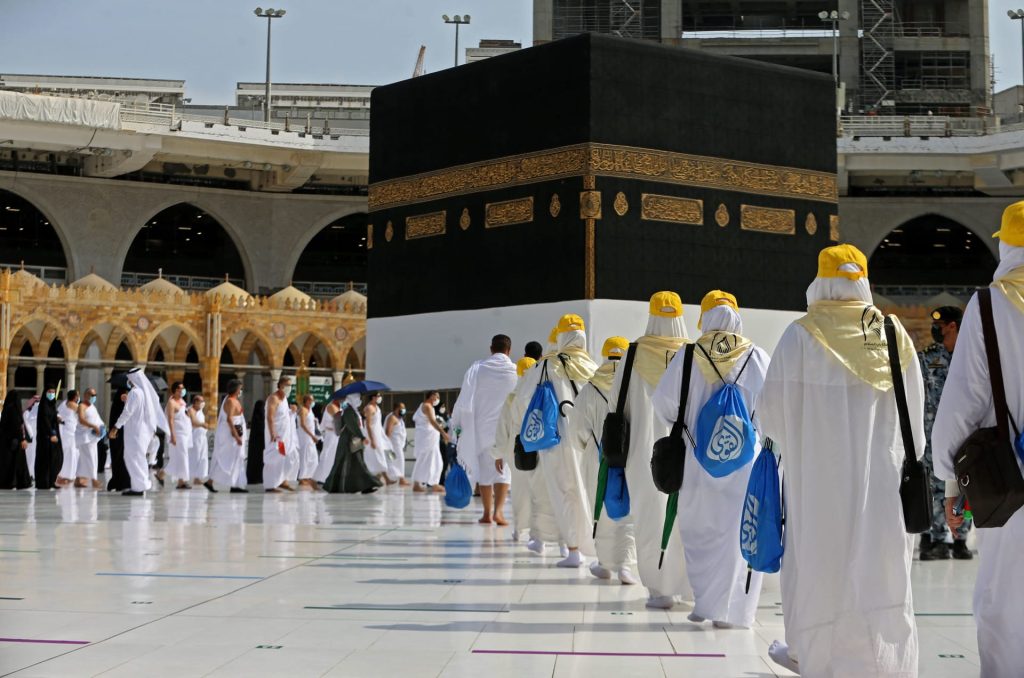

The residential sector is one of the most vital sectors on which the work system of the authorities concerned with serving pilgrims and visitors in Medina during the Hajj and Umrah season, and is linked to operational plans in the areas of arrival and departure, transportation and hospitality services, to ensure the comfort of the pilgrim and visitor.
According to a study by Umm Al-Qura University, the biggest impact is seen in the real estate sector. <According to a study by Umm Al-Qura University, the biggest impact of the Hajj appears at the level of the real estate sector, especially since some studies indicate that what is spent on the housing sector accounts for 30-40% of the total budget of the pilgrim, which means that the housing sector has the lion's share of the spending on the Hajj. This spending was recently reflected in the activity of the real estate sector in Makkah, especially in light of the limited supply of real estate products.
Regulatory efforts have resulted in achieving the hotel sector in Madinah to achieve a high occupancy rate and accommodate the increase in the number of visitors during the Umrah season this year "starting from the month of Muharram until the end of last Ramadan", while operators of hotels and licensed residential homes in Madinah are keen to provide booking offers for individuals and groups, improve the quality and diversity of their services provided to guests, and provide offers to attract guests in the upcoming Hajj season, where more than 1.8 million visitors are expected to arrive in Madinah during the pre- and post-Hajj period between May 20 and July 30, 2023.“
.
Residential sector in the central area
<There are many five-star hotels in the central area and the southern, northern and western sides of the Prophet's Mosque, operated and managed by international companies in the accommodation sector, staffed by qualified cadres of Saudis and residents in reception, reservation, hospitality and security services, in addition to many Housing Houses, which provide guests with varying degrees of accommodation that meet the desires and possibilities of all guests, according to requirements that take into account the standards of cleanliness and quality of housing, at prices ranging between 150 and 1200 per room per day, depending on the hotel and housing classification, the number and size of beds, and the services included in the reservation.The central area of the city is witnessing an increase in the number of hotels and residences in the city. The central area of Medina is witnessing an accelerated pace of work to implement infrastructure works, including the implementation of hotel projects with international standards, to meet the growing demand for hotel services and support the Hajj and Umrah sector in the field of hospitality and accommodation, which contributes to raising the absorption capacity of the sector in the region and keep pace with the expected increase in the number of visitors over the coming years, in addition to the continued efforts to improve the urban landscape and humanize the streets, roads and squares to upgrade the quality of services that provide visitors to the Prophet's Mosque with comfort and enrich their visit experience in Medina.
Reviewed by the Ministry of Culture and Tourism, the city's infrastructure is expected to grow at an accelerated pace. Investments in Hajj infrastructure are expected to grow to SAR 112 billion by 2025, ahead of the SAR 93 billion recorded during the period between 2018 and 2020. The infrastructure includes a number of roads and means leading to Mecca provided by the Kingdom to facilitate the arrival of internal pilgrims to perform the rituals.
The government has invested in a number of roads and means leading to Mecca to facilitate the arrival of internal pilgrims to perform the rituals.
The government has invested in the infrastructure of the Hajj. <The government has invested large sums of money to develop the infrastructure and facilities of the Makkah Haram, and encouraged the private sector to provide hotels and hospitality facilities to make it easier for pilgrims to perform the Hajj. These financial investments in infrastructure have facilitated the flow of visitors and enabled investors to develop their specialized facilities to serve pilgrims or market goods and services, coinciding with the Kingdom's targets to reach 30 million pilgrims and 5 million pilgrims by 2023.
These numbers are in line with the Kingdom's targets to reach 30 million pilgrims and 5 million pilgrims by 2023. <These numbers of visitors to the Holy House constitute an important purchasing power for many establishments, as the hotel and accommodation sector is making efforts to provide adequate accommodation, there are "1151 hotels in the city of Makkah with 450,000 hotel rooms and about 75,000 rooms in Medina.“ Work is underway to complete new hotels in the two cities to accommodate the increasing numbers of pilgrims and Umrah pilgrims, whose numbers are expected to reach 30 million visitors and pilgrims annually in 2030.