
Saudi Arabia is witnessing a major shift in its urban and development trends, with efforts increasingly focusing on humanizing cities as part of the Kingdom's Vision 2030. These efforts aim to make cities more livable, enhance the quality of life for residents, and ensure the sustainability of urban development. The humanization of cities is based on designing an urban environment that takes into account human needs and promotes social and cultural interaction, which contributes to sustainable development. This approach is a paradigm shift in the concept of urban planning in the Kingdom, as the Saudi government seeks to make its cities a model to be followed globally.
Humanizing Cities plays a pivotal role in improving the quality of life and promoting sustainable development. With the increasing interest in this approach under Saudi Vision 2030, Saudi cities are expected to become more attractive to residents and investors, contributing to building a sustainable urban future that meets the needs of all, and achieving the Kingdom's vision for its cities to be a model for sustainable living.
H4
Humanizing Cities is a process that focuses on the redesign and development of cities and urban communities to make them more people-friendly by providing human-centered living environments. The goals of humanizing cities are to improve the quality of life, enhance health and well-being, promote social and cultural interaction, and develop resilient and sustainable infrastructure that supports the daily needs of people of different age and social groups.
<Through this concept, the Kingdom seeks to improve the appearance of cities and make them more attractive and comfortable for residents and visitors alike. This includes providing green spaces, promoting public transportation and walking, and developing urban environments that support social and economic activities.
The concept and objectives of humanizing cities:
Humanizing Cities under Vision 2030:
The humanization of cities is one of the main themes of Saudi Vision 2030, which aims to transform Saudi cities into attractive places to live, work and invest. Stakeholders are working to improve infrastructure and public services in Saudi cities to meet the needs of residents and promote a sense of comfort and safety. To achieve this goal, integrated strategies and programs have been adopted that include improving urban planning, expanding green spaces, and developing recreational, cultural, and social facilities.
Major projects promote the humanization of cities:
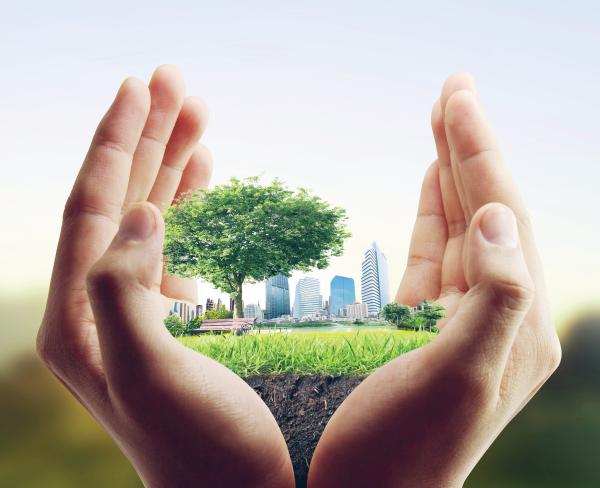
- Green Riyadh Project: One of the largest afforestation projects in the world, it aims to plant 7.5 million trees in Riyadh to lower temperatures, purify the air and enhance the aesthetic aspects of the city.
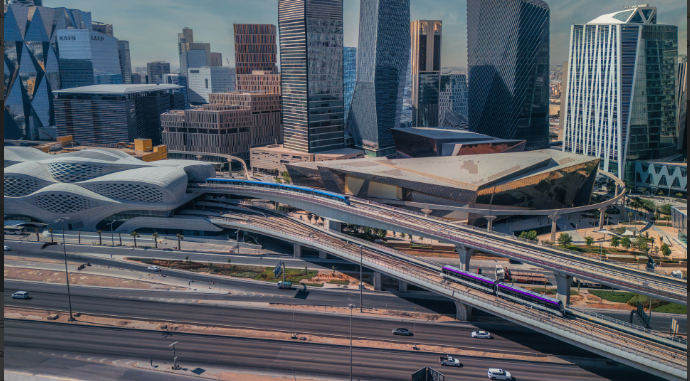
- King Salman Park: aims to transform Riyadh into a more livable city by developing the world's largest urban park, providing ample space for social and cultural activities.
- Jeddah Downtown Project: seeks to develop Jeddah's downtown area as a modern tourist and commercial destination, taking into account environmental and social aspects.
The role of humanization in improving the quality of life:
Humanization of cities contributes to improving the quality of life through several axes:
Humanization of cities contributes to improving the quality of life through several axes:
- Health and well-being: Improving the urban environment by increasing green spaces and open spaces contributes to improving the overall health and psychological well-being of residents, as such spaces encourage exercise, physical activity and relaxation.
- Social and cultural interaction: Humanizing cities seeks to provide multi-use public spaces that promote social and cultural interaction among residents. These spaces include parks, squares, and recreational facilities, which stimulate social activities and strengthen community ties. Accessibility and mobility: Improving public transport infrastructure and increasing sustainable modes of transportation such as bicycles and walking contribute to easing traffic congestion and reducing pollution, which positively impacts the health and well-being of residents.
- Safety and comfort: Enhancing safety and comfort is an essential part of humanizing cities. This includes improving the design of streets and sidewalks, providing nighttime lighting and enhancing security systems in public spaces, creating a safe environment for residents, especially for women and children.
Humanizing Cities and Sustainable Development:
Humanizing cities is a vital element in achieving the Kingdom's Sustainable Development Goals (SDGs). Designing cities in a humane way helps to:
Humanizing cities is a vital component of achieving the Kingdom's Sustainable Development Goals.
- Conserve natural resources: by encouraging the use of sustainable transportation and reducing reliance on cars, which reduces carbon emissions and preserves the environment.
- Promoting economic sustainability: Creating attractive urban environments helps attract investment and stimulate local economic growth, creating jobs and enhancing the economy's ability to adapt to global changes. Developing sustainable communities: Improving the quality of life in cities enhances the sense of belonging of residents and supports the sustainability of local communities.
Challenges to Humanizing Cities:
Despite efforts, the process of humanizing cities faces several challenges, including:
Despite efforts, the process of humanizing cities faces several challenges, including:
- Rapid urbanization: Rapid urbanization requires large investments and continuous efforts to ensure that urbanization standards are applied in new projects.
- Rapid urbanization requires large investments and continuous efforts to ensure that urbanization standards are applied in new projects.
- Climate Change: Cities need to address the challenges of climate change, such as rising temperatures and increased risk of flooding, requiring the development of infrastructure adapted to these challenges.
- Balance between modernization and preservation of cultural identity: Humanization efforts must take into account the balance between architectural modernization and preserving the heritage and cultural identity of Saudi cities.