
The Riyadh Train: A Different Perspective on Real Estate
Abdulaziz Al-Issa
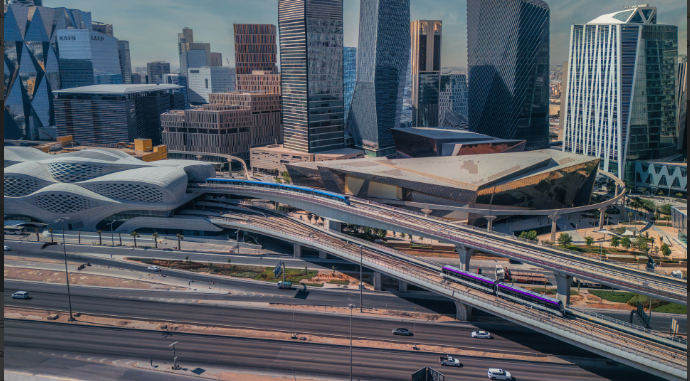
It is now certain that Riyadh Metro a quantum leap in the public transportation sector—not only at the national level but also at the continental and global levels—due to the high quality and precision with which the project was executed to provide innovative solutions to the growing challenges of urban mobility. As services begin, the benefits of this massive project will become apparent.
One of the most significant impacts of the Riyadh public transportation project will be its direct and innovative contribution to the development of the areas surrounding the stations; these areas will undergo urban and economic development, through the construction of shopping centers, exhibition halls, offices, and new residential projects built to specific specifications and standards. This will attract various investments and improve infrastructure, in addition to providing easy and quick access to distant and outlying areas of the capital.
It is encouraging that the public transportation project is designed to be integrated; as the train operates in coordination with other modes of transportation, such as buses, to form a comprehensive network connecting the city’s outskirts to its center via six lines totaling more than 176 kilometers in length. This massive system did not come about by chance, but rather through extensive studies conducted by experts, specialists, and strategists; their recommendations emphasized the imperative of a civilized project to solve the transportation crisis in the capital, Riyadh, and alleviate its congestion, Therefore, citizens need to be educated on the economic impact of using the train for commuting, as studies have shown that this project reduces the number of car trips by 250,000 per day and saves 400,000 gallons of fuel on the same day.
In terms of the Riyadh Metro’s impact on real estate, it is expected that Riyadh Metro stations into major hubs for a variety of commercial activities, as the stations provide rapid transit services and direct connections to key areas of the city. This trend paves the way for significant growth in the value of commercial real estate near the stations, as demand increases from investors and developers seeking to capitalize on the daily passenger flow and high population density.
The challenge also lies in the ability of commercial properties located farther from the stations to compete and adapt to this transformation.