
With the need for rapid urbanization and quick and efficient delivery of housing units accelerating, construction using prefabricated concrete panels has emerged as a revolutionary solution in the construction world. No longer do cities wait years to rise from the ground, high-rise buildings can be constructed in a matter of months, at a lower cost and with greater precision. With this technological leap, the face of modern cities is changing... Are we witnessing the birth of a new urban pattern? How does this technology affect the identity of cities, quality of life and the urban environment?
What are prefabricated concrete panels?
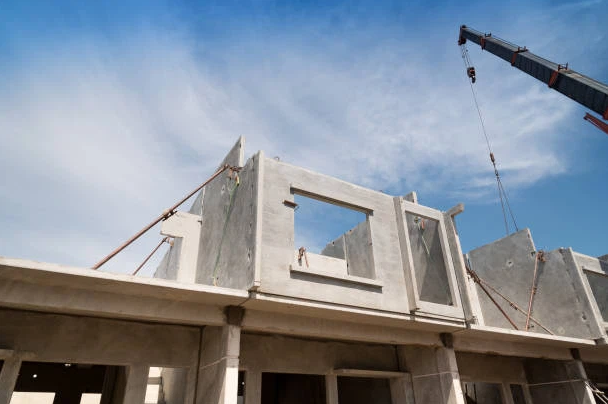
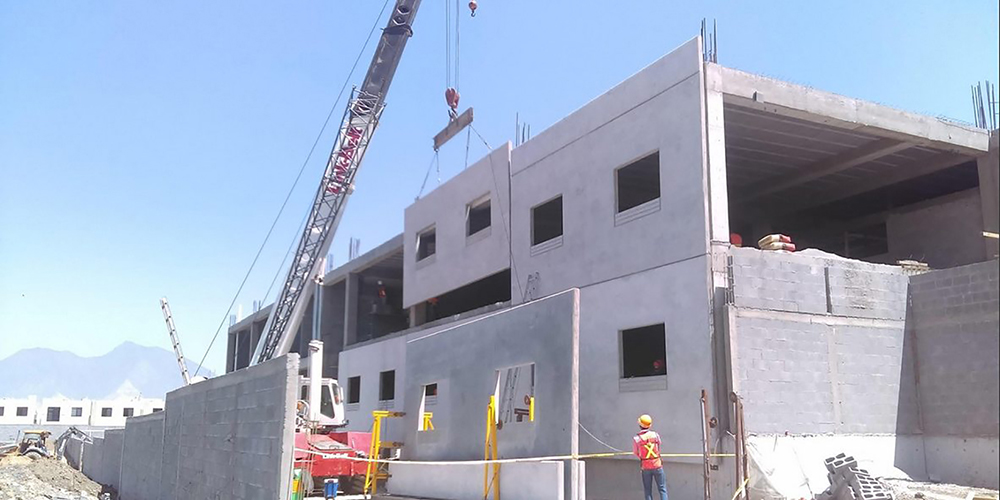
<Prefabricated concrete panels are building elements that are manufactured in specialized factories, then transported to the construction site to be installed according to pre-made blueprints. These panels include walls, ceilings, floors and even staircases, providing near-complete integration into the construction process.
Speed and precision: The weapon of congested cities
In the face of increasing demand for housing, especially in large cities with rapid population growth, traditional construction has become slow and insufficient. Prefabricated panel technologies have reduced construction time by up to 50%, while reducing the need for on-site labor, making them an ideal choice for governments and developers looking for speed and efficiency.
Prefabricated panel technologies have reduced construction time by up to 50%, while reducing the need for on-site labor, making them an ideal choice for governments and developers looking for speed and efficiency.
Visual and architectural transformation
This technology is visually transforming the look of cities. Prefabricated construction often produces symmetrical and similar units, sparking debate about the loss of architectural diversity and local character. In contrast, some companies now offer customized designs and decorative details that are incorporated into the panels during manufacturing, opening up the possibility of combining efficiency with architectural beauty.
Sustainability and waste reduction
prefabricated construction has the potential to reduce material waste, as casting takes place in a controlled environment, reusing molds and minimizing site waste. Fast turnaround means fewer emissions from transportation and lengthy construction, making this technology an environmentally sustainable solution.