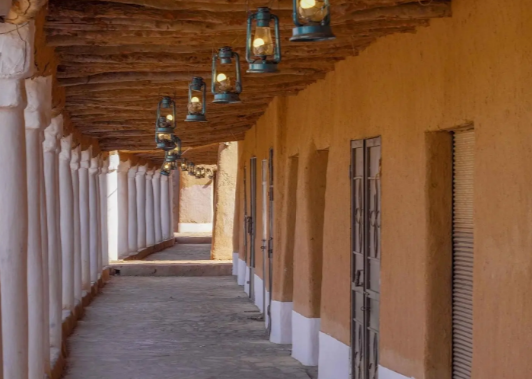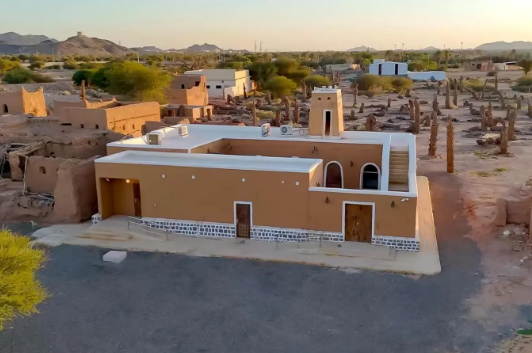

تُعد المباني الطينية أحد أبرز شواهد العمارة التقليدية في المملكة، إذ تنبض جدرانها بالحياة وتحكي قصص الماضي العريق، مجسدةً ملامح الأصالة، وعمق الهوية الثقافية، وروعة الإبداع المعماري الذي يربط الإنسان بالأرض والطبيعة.
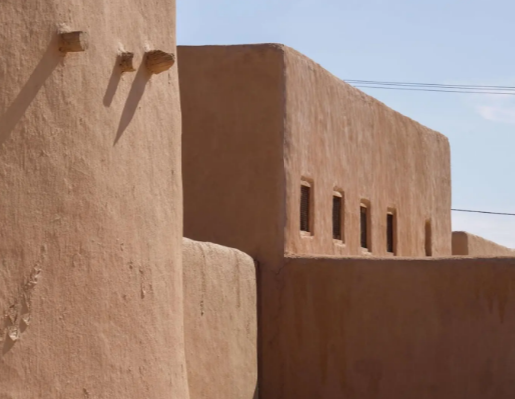
وتبرز هذه المباني أحد المسارات السياحية المهمة، التي تمزج بين التراث الثقافي والطبيعة البيئية، وتشكل مرآة للماضي، وتحتفظ في تفاصيلها اليومية بذاكرة الأجيال، مايجعلها وجهة جاذبة للمهتمين بالتاريخ والتراث والعمارة التقليدية.
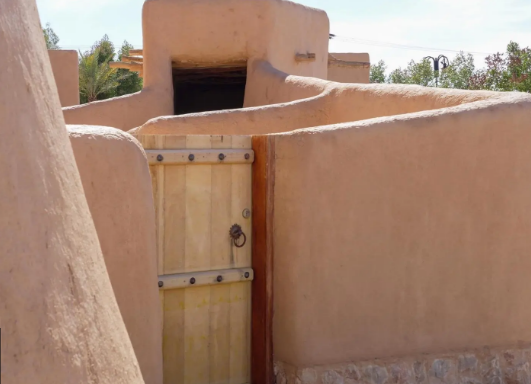
وبُنيت تلك البيوت بأساليب محلية اعتمدت على الطين والحجر والأخشاب وسعف النخيل، وجاءت بتصميمات ذكية متكيّفة مع البيئة، لتحافظ على توازن درجات الحرارة بين الصيف والشتاء، وغالبًا ما تحتوي على فناء داخلي تحيط به الغرف بتنظيم دائري يعكس أنماط الحياة القديمة وروح الجماعة.
وتُجسد “المباني الطينية” علاقة الإنسان ببيئته، إذ اعتمد البناء على موارد طبيعية متوفرة محليًا، في مشهد يعكس قيم الاكتفاء والانسجام البيئي، ويُكرّس مبدأ البناء المستدام الذي سبق مفاهيم العمارة الحديثة.
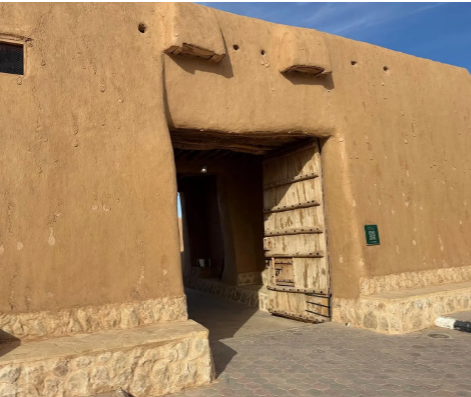
وتولي الجهات المعنية عناية خاصة بترميم هذه المباني في فترات منتظمة، بهدف الحفاظ على قيمتها التاريخية والثقافية، وتعزيز حضورها في المشهد السياحي بوصفها إرثًا معماريًا وإنسانيًا غنيًا، يمثل جانبًا مهمًا من الهوية الوطنية.