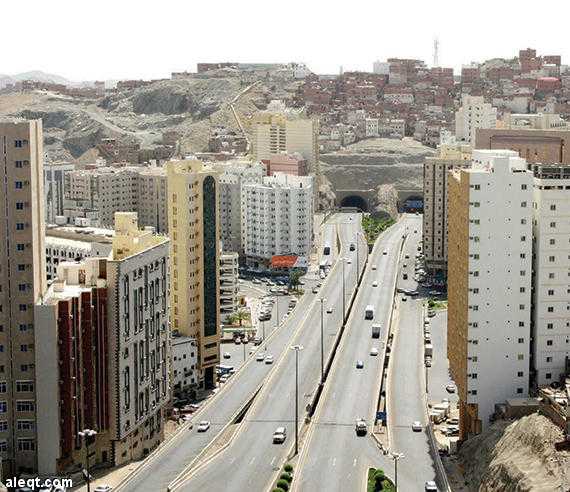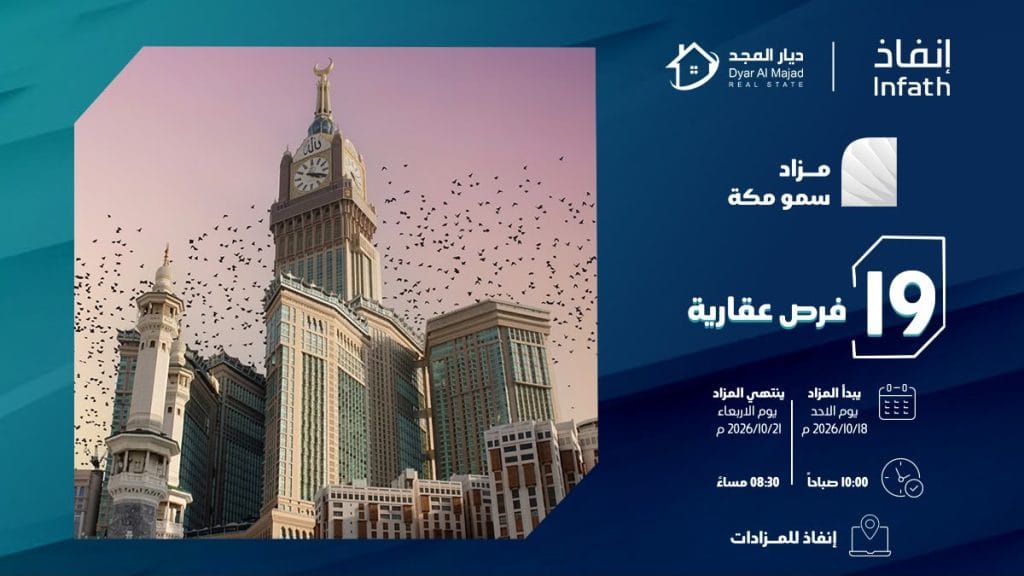
With the announcement of National Policy on the Arabic Language, and the subsequent mandate to use Arabic in contracts and conferences, a detail we experience daily—yet one that often goes unnoticed—came to mind: the names of real estate projects. As we walk through our cities, we see projects bearing names that bear no resemblance to the place, say nothing about it, and have no connection to its culture— foreign names displayed on the facades of buildings in Arab neighborhoods, chosen sometimes for marketing purposes, and sometimes out of the belief that a foreign name is more appealing or more “modern.”
But the simple question is: Is the name really just a fleeting marketing detail?
A project’s name is not merely a sign or a label; it is the first message the developer conveys and the first impression formed by the buyer. The name precedes the design and the experience, and it lingers in the memory longer than any advertising campaign. And when the name is far removed from the local language, the project loses some of its relatability from the very first moment.
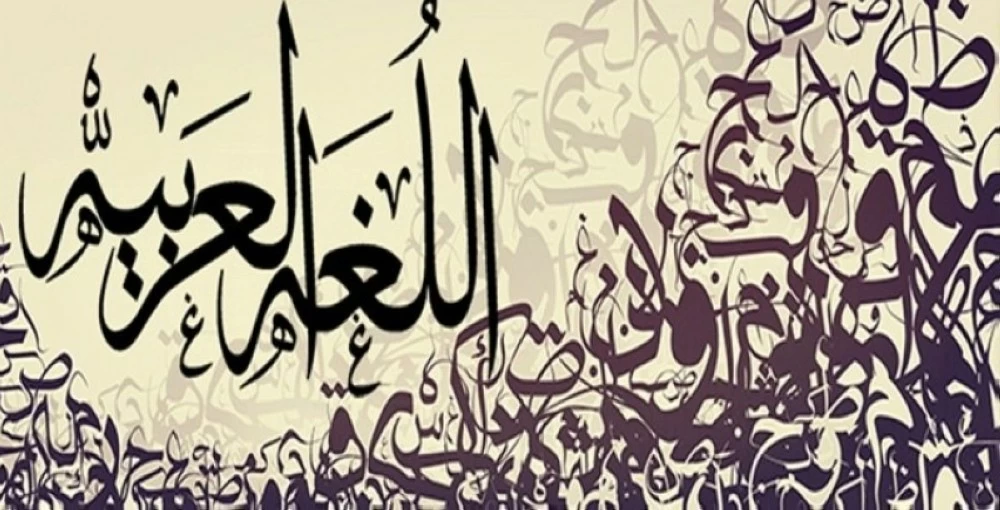
The national policy on the Arabic language does not treat the language merely as a cultural matter, but as a regulatory framework and an institutional identity, and when authorities require the use of Arabic in contracts and conferences, they reaffirm that the language is not a mere formality, but a fundamental pillar of official dealings; it is only natural that this understanding extends to the real estate sector. A real estate project is not a temporary advertisement, but a place where people will live for many years. Someone might say: “I live in this development,” or “I bought a home here.” When the name is clearly Arabic and meaningful, it becomes more relatable to people, easier to use in conversation, and more memorable.
The claim that the use of Arabic names is at odds with openness or globalism is inaccurate; global experiences show that a strong local identity is what creates true distinction. Cities that take pride in their language and history do not lose their appeal to investors; rather, they enhance it, because they offer a unique product, not a replica. The irony is that many of the foreign names in use today have no clear meaning even in their original language, yet they are adopted without question. In contrast, the Arabic language possesses great richness and the ability to produce contemporary, beautiful, and marketable names—if they are well chosen and linked to the place and its concept. Linking real estate project names to the identity of the language yields clear practical benefits: greater clarity in contracts and documents, harmony between the trade name and legal identity, and a genuine connection to the community that will live within these projects.
Ultimately, a name is not a simple detail as we might think; it is a reflection of a way of thinking and of the extent to which the project is connected to its surroundings.
When a project bears a name that reflects the place and its people, it begins its journey with greater confidence and a clearer sense of belonging. The national policy on the Arabic language has opened an important door for reflection—not only in treaties and conferences, but also in the many details we pass by every day without giving them a second thought. Perhaps it is time to ask ourselves honestly: Do the names of our real estate projects reflect our identity?