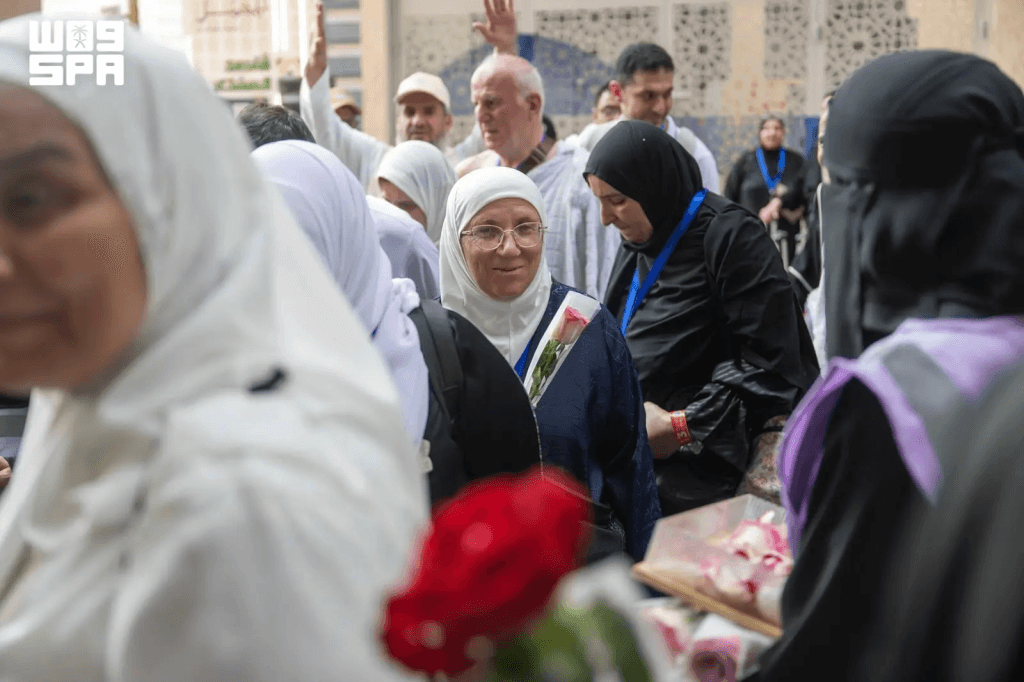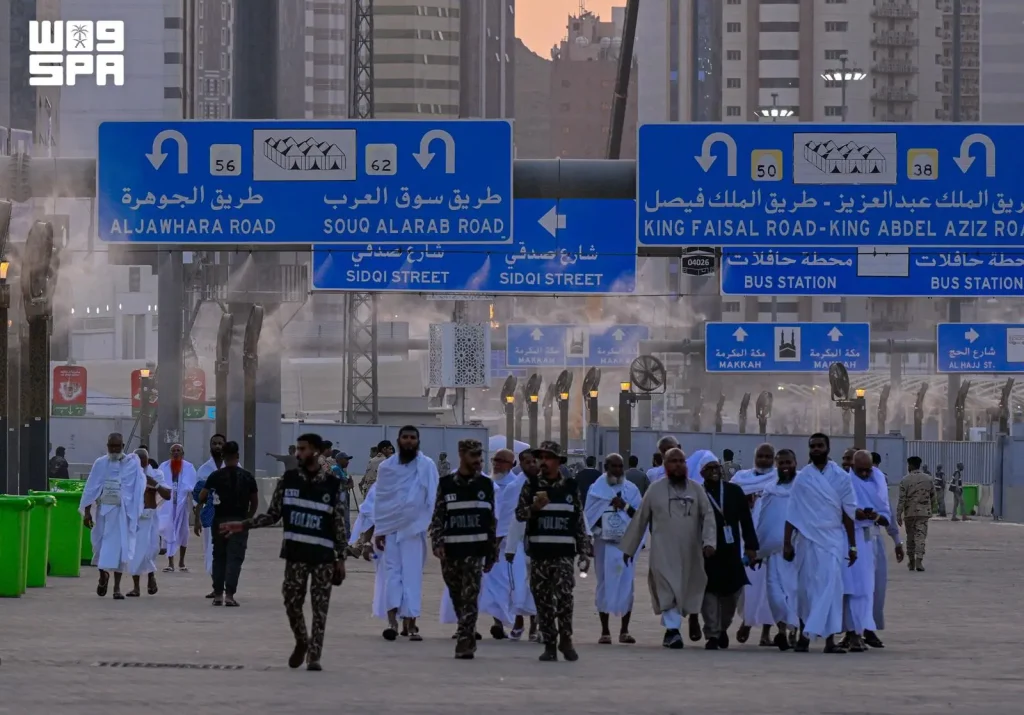

مع إشراقة يوم التروية وتوافد طلائع الحجيج إلى مشعر منى، تتجلى في قلب العاصمة المقدسة واحدة من أعظم ملائم التنظيم والتشغيل الموسمي في التاريخ الحديث؛ حيث تتحول بقعة منى خلال أيام معدودة إلى مدينة متكاملة تُدار بكفاءة فائقة، لتستوعب ملايين الحجاج في مشهد إيماني مهيب، يؤدون فيه مناسكهم بكل يسر وطمأنينة.
وذكرت وكالة الأنباء السعودية أن مشروع الخيام المطورة يمتد في مساحة 2.5 مليون متر مربع صممت وفق أعلى مواصفات الأمن والسلامة العالمية، فيما تتسع الطاقة الاستيعابية الإجمالية للمشعر لأكثر من 2.5 مليون حاجًا؛ حيث أصبحت منى مشروعاً متجدداً يعزز تجربة الحج إنسانياً وتقنياً، وقد شهد المشعر هذا العام حزمة من المشروعات التطويرية النوعية التي ركزت على «أنسنة المشاعر» وتحسين البيئة المكانية، عبر:
زيادة المساحات المظللة ومناطق الاستراحة.
تحسين المشهد الحضري العام.
تهيئة مسارات أكثر مرونة وانسيابية لحركة المشاة.
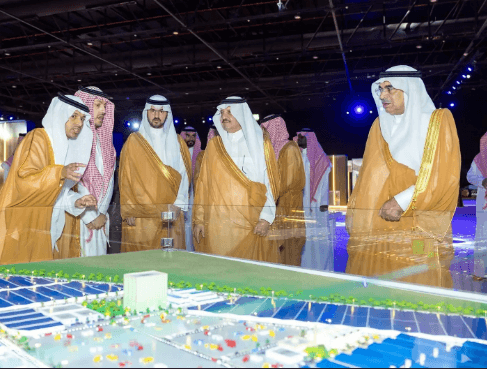
ومن أبرز التحولات اللافتة هذا العام، التوسع في مشروعات الإسكان المطور بالقرب من منشأة الجمرات، وفي مقدمتها مشروعي «رابية كدانة» ومخيمات «كدانة الخيف». وتهدف هذه المشروعات إلى رفع الطاقة الاستيعابية والارتقاء بجودة الإقامة، معتمدة على حلول هندسية متطورة في التظليل، والتهوية، وتسهيل الحركة الميدانية.
وفي قلب المشعر، تقف منشأة الجمرات كأحد أضخم المشاريع الهندسية في العالم لإدارة الحشود؛ إذ يعمل هذا الجسر متعدد الطوابق وفق منظومة تفويج دقيقة تستوعب مئات الآلاف من الحجاج في الساعة الواحدة، مدعومة بشبكة متكاملة من المداخل، والمخارج، والمنحدرات، والسلالم الكهربائية التي صُممت بعناية لتفكيك الكتل البشرية ومنع التزاحم.
على الصعيد الميداني، تتكامل جهود القطاعات الحكومية لتنفيذ خطط تنظيمية شاملة على مدار الساعة لضمان انسيابية الحركة بين المشاعر المقدسة. وفي هذا السياق، أعلنت وزارة الحج والعمرة اكتمال استعداداتها التشغيلية لخطط التفويج، والتي ارتكزت هذا العام على تأهيل العنصر البشري وتوظيف التقنية من خلال:
تدريب أكثر من 30 ألف كادر على تشغيل الحلول الرقمية وإدارة العمليات.
تأهيل 600 عضو تفويج و 5 آلاف قائد فوج لإدارة المهام الميدانية.
تنفيذ تجارب فرضية مكثفة لقياس الجاهزية التشغيلية واختبار كفاءة الإجراءات بالتنسيق مع كافة الجهات ذات العلاقة.