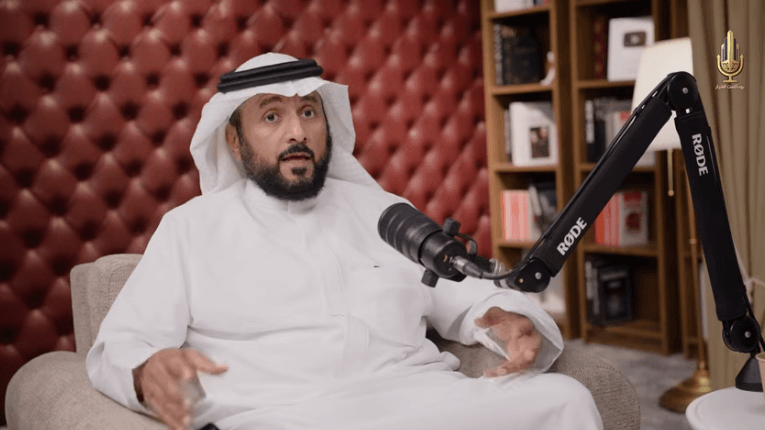

Professor Youssef Al-Ma'arik, an expert in real estate assets and business development, that the success of any real estate project does not begin at the operational or leasing stage, but rather stems from establishing a clear strategy for building a real estate portfolio that defines the type of assets to be targeted, the sectors in which to invest, and the locations capable of achieving the highest added value and sustainable returns.
Al-Ma’arik explained, during his appearance on the «Al-Tayyar Real Estate» podcast hosted by Mr. Emad Al-Tayyar, that his career in real estate sector began more than two decades ago within the family’s real estate group, where he participated in various stages of project development—from site selection and land acquisition, through development and construction, to leasing and facility management— which helped him gain comprehensive hands-on experience in real estate asset management.
Building the Real Estate Portfolio
He noted that building real estate portfolio depends on identifying the appropriate sector for investment—whether residential, commercial, office, industrial, or tourism—emphasizing that asset diversification is one of the most important tools for risk management and achieving investment sustainability.
He added that location selection is one of the most important factors in the success of a real estate asset, as it must align with the nature of the target demographic, explaining that targeting high-income earners, for example, requires developing projects near business districts and administrative complexes, thereby boosting occupancy rates and increasing cash flow from the earliest stages of the project.
Al-Ma’ariek emphasized that family-owned companies give their employees the opportunity to gain diverse experience early on, due to the variety of responsibilities and tasks, which helps build the skills needed to manage various operational and investment aspects of real estate. He noted that learning from mistakes, along with patience, are among the most important factors for success in the real estate sector, as patience is a fundamental element of risk management throughout the life cycle of a real estate asset.
The Transformation of the Concept of Real Estate Asset Management
He explained that Saudi Vision 2030 has contributed to a major transformation in the concept of real estate asset management, through the development of legislation and the promotion of professional practices, noting that asset management is, at its core, a financial practice aimed at maximizing the capital value of assets and achieving the highest possible return for investors.
He noted that there is a clear distinction between a real estate portfolio, asset management, property management, and facilities management, explaining that a real estate portfolio represents the assets and capital owned by an investor, whereas asset management involves developing investment strategies and maximizing the market value of assets, property management focuses on operations and leasing, and facilities management ensures the efficient operation of buildings and services.
Market Entry Strategy
He noted that the manager of real estate assets must have a thorough understanding of the property’s market value and compare the real estate asset’s performance against market indicators—whether in terms of rent levels, occupancy rates, or tenant quality—because these factors directly impact the asset’s market value.
He added that developing a market entry strategy must precede any investment decision, specifying the target city, the appropriate real estate sector, and the acceptable level of risk, in addition to examining the differences between purchasing assets that generate immediate income and developing new projects that require years before generating revenue.
Theoretical studies alone are not enough
Al-Ma’arake emphasized that modern real estate development no longer relies solely on the construction of buildings, but is now centered on studying market needs and the customer experience. He explained that theoretical studies alone are not enough; they must be supported by field studies, competitor analysis, and an understanding of the aspirations of tenants and target customers.
He noted that modern buildings have evolved from mere structures performing traditional functions into integrated environments that provide a sophisticated user experience and a better quality of life, pointing out that a focus on sustainability, support services, shared spaces, recreational and sports facilities has become a key factor influencing the decisions of companies and tenants.
He explained that many international companies now require that their offices be located in buildings with accredited sustainability certifications, which compels real estate developers to keep pace with these requirements if they aim to attract tenants from major corporations.
Integrating the Success of Urban Development Plans
He added that the transformations taking place in Riyadh—whether in terms of legislation, labor regulations, or public transportation projects— require real estate asset owners to develop their projects in line with these changes, because the sustainability of a real estate asset is linked to its ability to keep pace with economic and social transformations.
Al-Ma’arik emphasized that real estate asset management is not limited to commercial properties alone, but extends to various real estate sectors, noting that the success of urban plans depends on the integration of different land uses and linking commercial, residential, and office services to achieve a balanced and sustainable urban environment.
He cited successful examples of residential neighborhood development, illustrating how advance planning to select appropriate commercial and service activities contributed to enhancing the projects" appeal and increasing their investment value, emphasizing that the success of any real estate project depends on the integration of planning, marketing, and asset management, thereby ensuring the highest long-term returns for investors.