
Books: Muhammad al-Amin Jamous
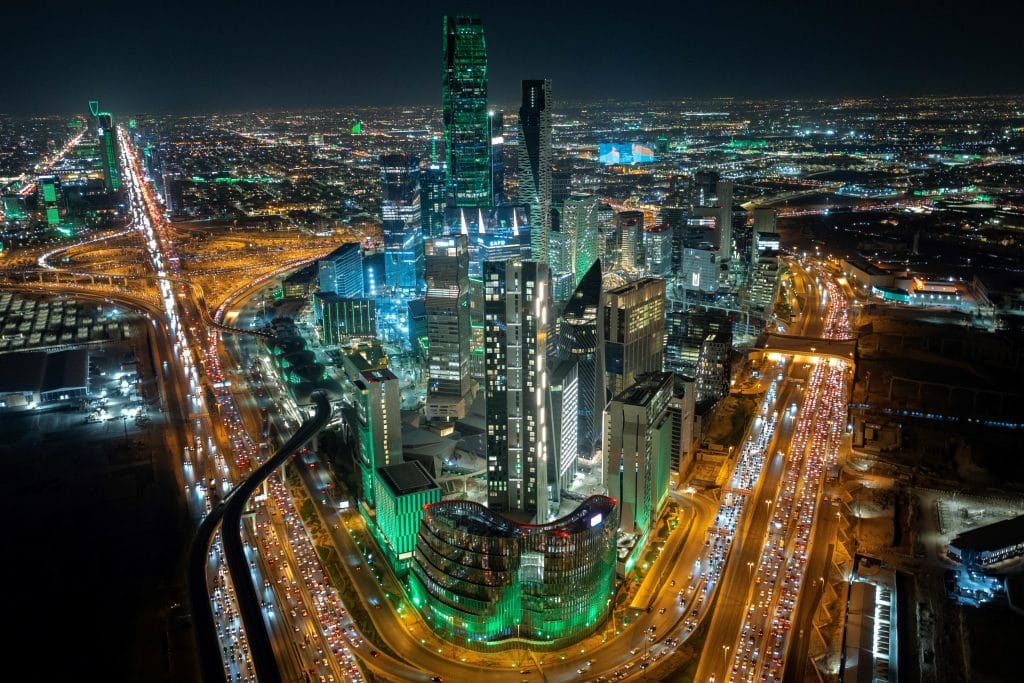
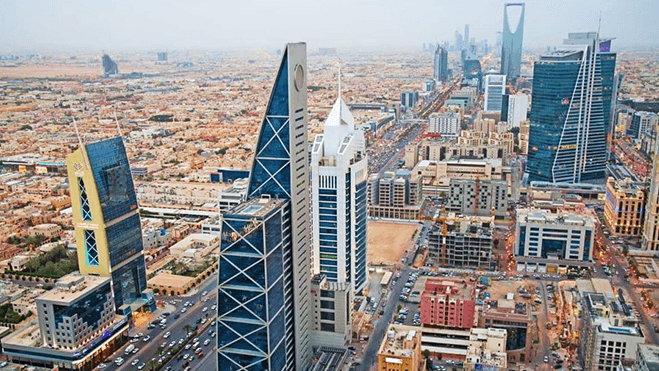
With confident and balanced steps, the city of Riyadh is moving to be the most attractive city in the world, as His Royal Highness Prince Mohammed bin Salman bin Abdulaziz, the Crown Prince, revealed that the future vision is heading to make the Saudi capital in the list of the ten largest economic cities in the world; this of course needs a huge and huge work to overcome the historic city more than 30 places in the economic ranking.
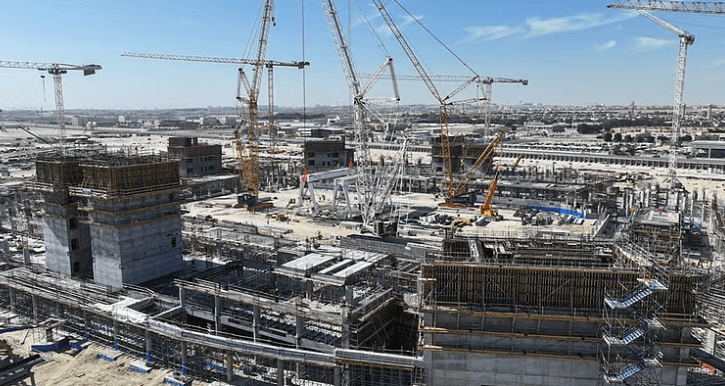
According to the Riyadh strategy, the state plans to strengthen the infrastructure of the capital's economies to accommodate the largest industrial city in the world, and to be a major headquarters for major international companies, which have already started to head to the Kingdom and take their place early, reading the correct future in the region.
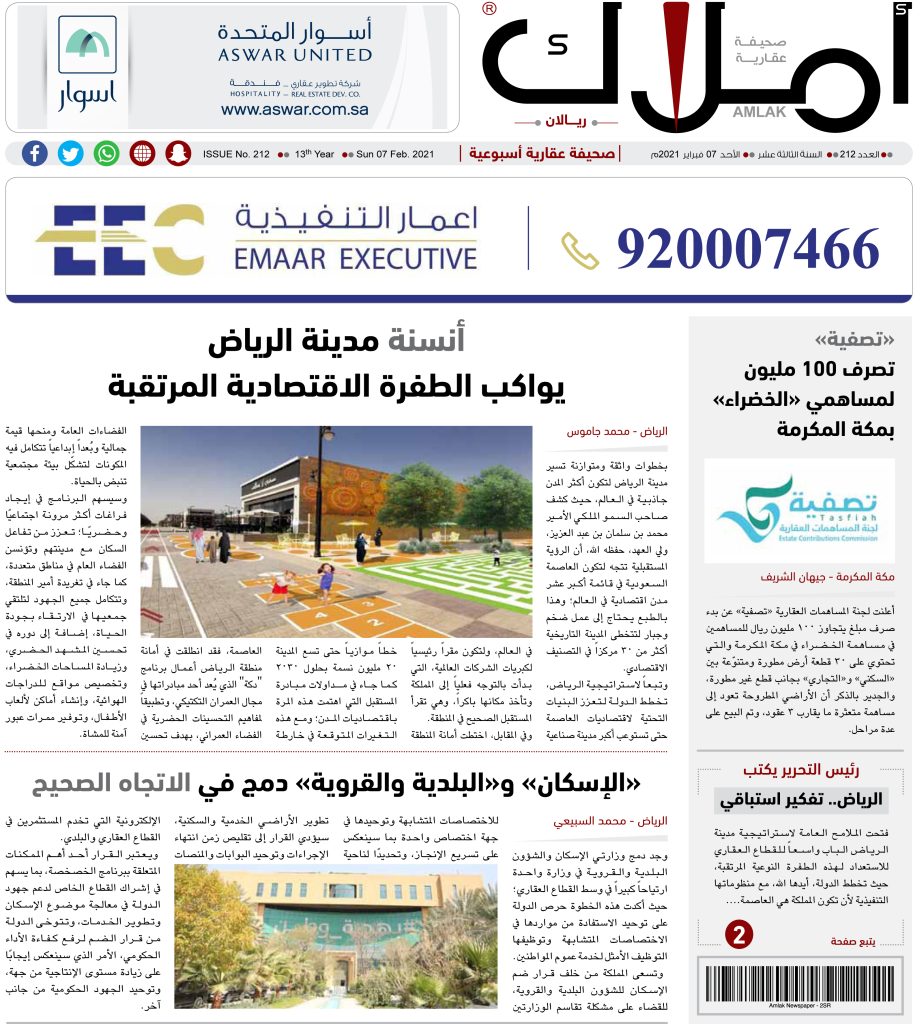
On the other hand, the Emirate of Riyadh has chosen a parallel line so that the city can accommodate 20 million people by 2030, as stated in the deliberations of the Future Initiative, which this time focused on the economics of cities; with these expected changes in the map of the capital, the Riyadh Municipality launched the work of the "Dikka" program, which is one of its initiatives in the field of tactical urbanism and the application of urban improvement concepts in the urban space, with the aim of improving public spaces and giving them an aesthetic value and creative dimension that integrates components to form a vibrant community environment.
The program will contribute to creating more socially and urban flexible spaces that enhance the interaction of residents with their city and humanize the public space in multiple areas, as stated in the tweet of the Emir of the region, and all efforts are integrated to meet to improve the quality of life, in addition to its role in improving the urban landscape, increasing green spaces, allocating sites for bicycles, creating places for children games, and providing safe crossing paths for pedestrians. The program will also contribute to improving the urban landscape, increasing green spaces, allocating sites for bicycles, creating places for children's games, and providing safe crosswalks for pedestrians.