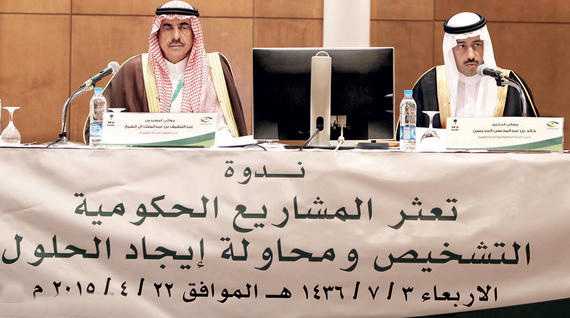

The National Anti-Corruption Commission “Nazaha” revealed that the percentage of stalled projects identified by the Commission over the past three years was approximately 44 percent, with the number of stalled projects reaching approximately 672 out of the 1,526 projects reviewed by the commission. It indicated that the cause of the delays may be due to suspected corruption and nepotism, or a lack of oversight of the projects being implemented. Al-Muhaisen noted that among the causes of project failure identified by the Authority were a lack of planning, a lack of clarity in the vision during the study and design phases, and a failure to properly prepare project documentation before putting it out to bid, as well as shortcomings in assessing the nature of the project in terms of location and implementation requirements, and a lack of attention to obtaining the necessary permits and soil reports for the project.
Dr. Khalid Al-Muhaisen, Chairman of the Authority, stated during the seminar “Project Delays and Efforts to Find Solutions”—held in Riyadh with the participation of the Ministry of Municipal and Rural Affairs— yesterday, Wednesday, that delays or setbacks in any project do not necessarily indicate corruption, as there are several reasons for this, including the nature of the project and changes in the implementation mechanism, except in certain specific cases that we refer to as suspected corruption.
Al-Muheisen noted that the Authority is currently examining the implementation of the “FIDIC” standard contract with the Ministry of Finance, which will help limit project delays after certain amendments are made, while he emphasized the need to restructure the construction sector.
The chairman of “Nazaha” called for the restructuring of the Kingdom’s construction sector to align with the scale of current and future projects, through conducting studies and research in this field, and by considering the merger of existing construction companies or working to establish joint-stock companies in which citizens participate, with the aim of creating a strong, capable entity to advance this sector and reduce the problems it faces in both the public and private sectors.
Al-Muhaisen added that “the Anti-Corruption Commission has a mechanism to distinguish between a contractor in default and one who is merely behind schedule, and there are penalties in place to address each specific issue, in accordance with the Commission’s established regulatory framework,” noting that the reality of these projects does not match the massive amounts of government spending on them nor does it reflect the standards and aspirations of the leadership and the citizens.
The head of “Nazaha” explained that project delays are not solely attributable to contractors, noting that they may stem from the inefficiency of the government agency’s technical supervision apparatus, as well as the lack of involvement by government agency branches in monitoring and supervision, the low competence of members of the initial and final project acceptance committees, and the absence of a Project Management Office (PMO).