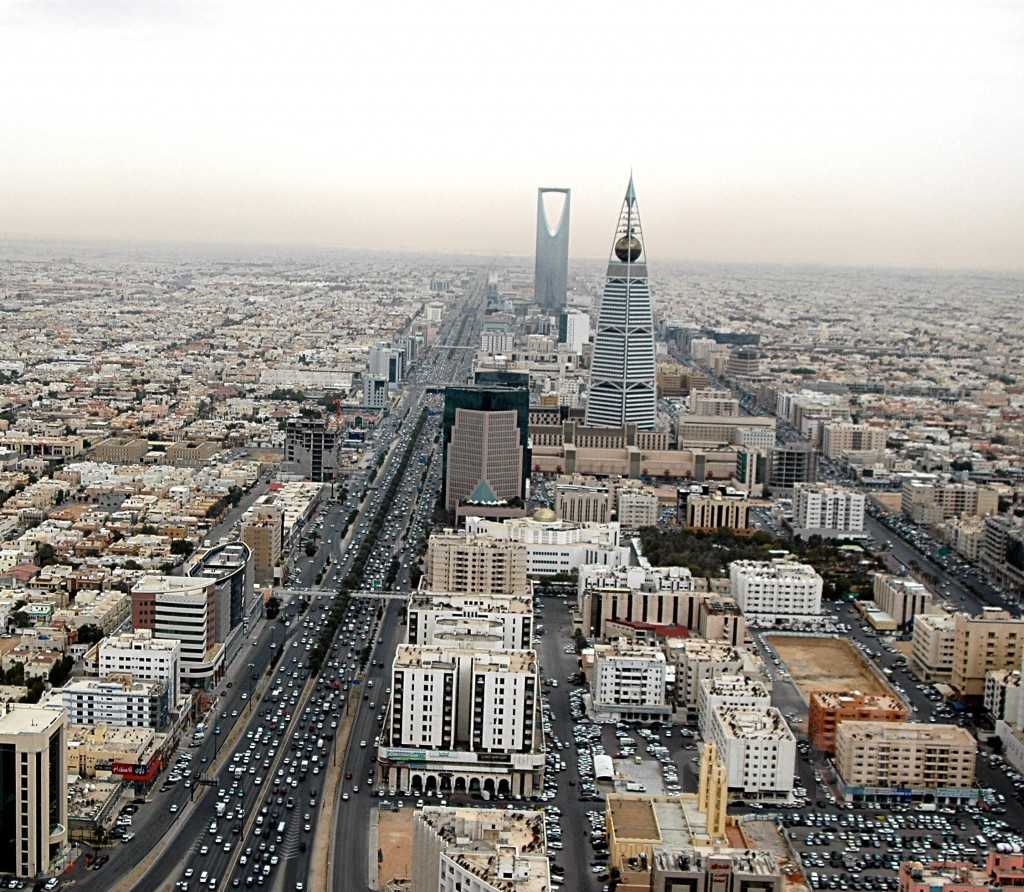

Studies released by the Riyadh Metropolitan Authority have revealed that the city will need 495,000 housing units by 1445 AH, at an annual rate of 27,500 housing units. A real estate study published by one of the Kingdom’s real estate companies estimated Riyadh’s need for new housing through 1455 at more than 482,000 housing units. and comprehensive commercial centers, large and medium-sized residential complexes, residential towers, office towers, and commercial bank branches in the urban areas surrounding Riyadh will be among the most significant investment opportunities in the real estate sector.
The real estate development sector in major cities is considered one of the most lucrative and attractive investment activities, a fact supported by the shortage of real estate products, particularly housing for low- and middle-income earners, while various areas north and northwest of Riyadh are experiencing a boom in housing construction; however, overall demand still exceeds supply.
Riyadh Ranked First in Number of Transactions
Real estate reports indicate that the total number of real estate transactions in Riyadh during the second quarter of the Hijri year 1436 AH (Rabi’ al-Thani, Jumada al-Awwal, and Jumada al-Thani) reached 25,000 transactions (the highest number of transactions), completed during this period, accounting for 31% of total real estate market transactions, distributed as follows: 20,162 land transactions, 926 apartments, 1,670 commercial units, 863 agricultural plots, 472 houses, 346 facilities, 289 villas, and 262 apartment buildings.
Investors Take a Wait-and-See Approach
Despite expectations that the decision to impose fees on undeveloped land would be positive and effective in lowering real estate prices in the future, particularly land prices, there are signs of uncertainty in Riyadh’s real estate development sector, where investors have opted to wait a bit until the situation in the sector becomes clearer and the rate and mechanism for collecting fees on undeveloped land are announced. The first signs of the decision’s impact became evident on the day it was issued about a month ago, when the real estate development sector as a whole declined by 2.9%, with real estate development companies leading the sectors with the steepest declines.
Suspension of Project Expansion Plans
The majority of real estate development companies have opted to suspend their expansion plans and the implementation of new residential projects, attributing this to their desire to reassess the cost of these projects due to a shortage of skilled labor, and rising wages, along with higher prices for some basic construction materials. They emphasized that they are closely monitoring the potential positive or negative impacts that may result from the issuance of any new government regulations targeting the real estate sector, Although there has been much speculation recently regarding the possibility of a relative decline in the prices of residential units and land in the Kingdom, all data indicate that prices remain stable and firm.